Finding a damp patch after your dog has been resting is not something to shrug off as an odd one-off, especially if it happens more than once. Leaking urine, medically called urinary incontinence, can
Finding a damp patch after your dog has been resting is not something to shrug off as an odd one-off, especially if it happens more than once. Leaking urine, medically called urinary incontinence, can affect dogs of any age, though it becomes more common with age and is discussed in more depth in a dedicated article on senior dog incontinence elsewhere in this series.
First, Rule Out Behavioural Causes
Not every accident is incontinence. A dog that squats and deliberately urinates, even indoors, is more likely dealing with incomplete house training, submissive urination during greetings, or marking behaviour, all of which are addressed differently from true incontinence. True leaking usually happens without the dog seeming to notice, most often while resting, sleeping, or standing.
Common Causes Across Ages
Urethral sphincter weakness, most common in spayed females but also seen in neutered males
Urinary tract infections, which can affect dogs of any age
Bladder stones or crystals
Ectopic ureters, a birth defect seen in young dogs where urine bypasses the bladder
Spinal injury or nerve damage affecting bladder control
Conditions that increase overall urine production, such as diabetes or kidney disease
What to Do
Note when the leaking happens: while resting, walking, or after urinating normally
Check whether your dog seems aware of the leak or seems genuinely unaware
Look for other symptoms such as increased thirst, straining, blood in the urine, or discomfort
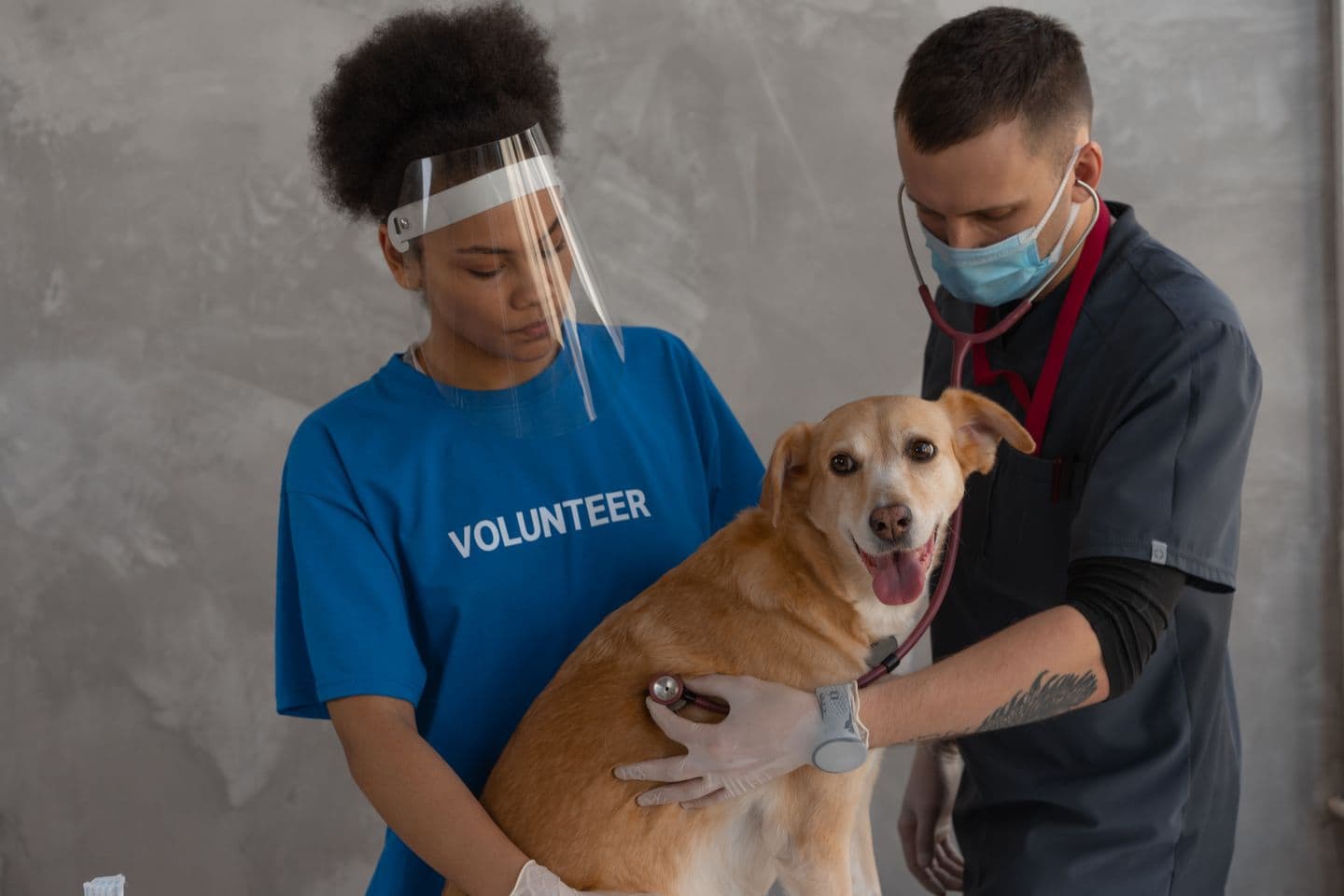
Book a vet visit rather than waiting, since incontinence rarely resolves on its own and tends to worsen without treatment
What to Expect at the Vet
A urinalysis is usually the first step, checking for infection, crystals, or diluted urine that might point to a hormonal or kidney issue. Depending on the findings, your vet may recommend blood work or imaging such as an ultrasound. Treatment ranges from medication that strengthens the muscle controlling urine flow to antibiotics for infection or surgery for structural problems, and many dogs manage very well once the right treatment is found.
Managing the Mess Meanwhile
Waterproof bedding covers, more frequent toilet breaks, and dog specific absorbent wraps can help protect furniture and flooring while you and your vet work out the cause. Never scold a dog for leaking urine, since it is involuntary and punishment only adds stress without helping.
Talking to Multi Dog Households About the Issue
In a home with more than one dog, it can take a little detective work to confirm which dog is actually leaking, especially if beds and resting spots are shared. Temporarily separating dogs at rest, or using a plain bed liner for each dog individually for a few days, can help pinpoint the source before your vet visit, making the appointment more productive.
If multiple dogs share a household and one is diagnosed with incontinence, it is worth checking whether any others show subtler, unreported signs too, since owners sometimes only notice the most obviously affected dog while a milder case in another pet goes overlooked for longer.
Keeping a spare set of clean bedding on hand, rather than washing and reusing the same set daily, makes managing leaks far less stressful for the household while a treatment plan takes effect over the following weeks.
Common Questions
Can male dogs develop urinary incontinence too?
Yes, though it is less common than in females. Neutered males, older dogs, and dogs with prostate or neurological issues can all develop urine leakage, and the same diagnostic approach applies regardless of sex.
Is it ever safe to just wait and see with leaking urine?
A single, isolated incident with no other symptoms in an otherwise healthy dog can be watched for a day or two. Anything recurring, or paired with other symptoms like increased thirst or straining, is worth a prompt vet visit rather than a wait and see approach.
This article is for general awareness and does not replace veterinary advice. If your dog is unwell, consult a veterinarian promptly.
Beyond the familiar Great Dane and Saint Bernard, a number of large, calm breeds carry the same gentle-giant temperament without quite the same name recognition. Most remain genuinely rare in India, b
A once-bouncy dog that suddenly seems flat, uninterested in walks, and withdrawn from the family is unsettling to watch, and the question that naturally follows is whether dogs can actually feel somet
A healthy dog isn't just a contented one; they're more playful, more energetic and more emotionally settled. As their owner, you're the biggest factor in how well your dog thrives, day in and day out.