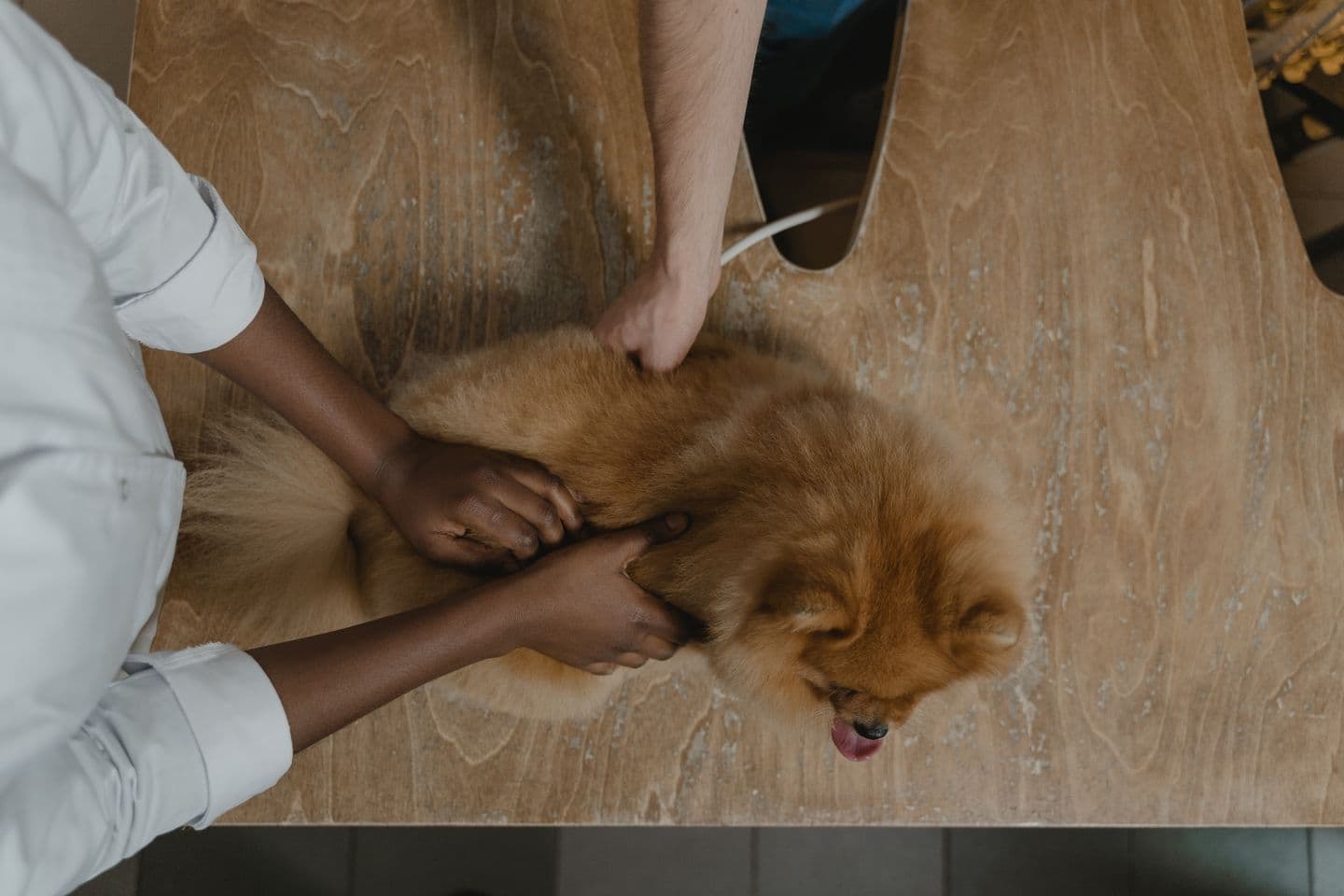
What to Do if Your Dog Is Throwing Up Clear Liquid
Clear liquid vomit is usually the least alarming colour on the spectrum of dog vomit. It is typically a combination of water, saliva, and stomach secretions, and it often points to simple indigestion
Clear liquid vomit is usually the least alarming colour on the spectrum of dog vomit. It is typically a combination of water, saliva, and stomach secretions, and it often points to simple indigestion rather than anything serious.
Common, Mild Causes
Drinking water too quickly, especially after exercise or in hot weather
A mildly upset stomach from a change in diet or an unfamiliar treat
Mild motion sickness during a car ride, a common complaint among Indian pet owners taking dogs on road trips or vet visits
Swallowing excess air while eating quickly
When It Signals Something More
While an isolated episode of clear vomit is usually harmless, repeated vomiting, or clear vomit combined with other symptoms, can point to more serious issues such as gastritis, a foreign object caught in the digestive tract, heatstroke, or even the early stages of bloat in deep chested breeds. Toxin exposure, including from certain houseplants, pesticides, or spoiled food, is another possibility that Indian pet parents should keep in mind given how freely many dogs roam gardens, terraces, and streets.
What to Do
Withhold food for a few hours, but keep small amounts of water available
Watch for a second episode or any new symptoms over the following hours
If your dog seems otherwise normal and active, gradually reintroduce a bland diet of boiled chicken and rice
Keep the vomit sample or a photo of it if you plan to visit a vet, as colour and consistency help with diagnosis
When to See a Vet
Seek veterinary care if the vomiting repeats more than twice in a day, continues beyond 24 hours, or is accompanied by lethargy, diarrhoea, a swollen abdomen, or any sign of pain. Puppies and senior dogs dehydrate faster than healthy adults, so err on the side of caution with them.
Travel Sickness on Indian Roads
Winding hill roads and stop start city traffic are both classic triggers for motion sickness in dogs unaccustomed to travel. Feeding a light meal a few hours before a journey rather than immediately beforehand, keeping the car cool and well ventilated, and taking a short practice drive before a long trip can all reduce the odds of clear vomit appearing partway through a journey.
Positioning also matters more than many pet parents expect. A dog facing forward with a clear view out of the windscreen, secured safely in a crate or with a harness, tends to experience less motion sickness than one facing sideways in the back seat, since the visual mismatch between what the eyes see and what the inner ear feels is reduced.
Common Questions
How can I tell vomiting apart from regurgitation?
Vomiting involves active abdominal heaving and brings up digested or partially digested contents from the stomach. Regurgitation is a passive action, often bringing up undigested food shortly after eating, with little to no retching effort.
Is car sickness common in Indian dogs?
Fairly common, especially in dogs that travel infrequently. Short, calm practice rides, an empty stomach before travel, and good ventilation in the car can all help reduce it over time.
This article is for general awareness and does not replace veterinary advice. If your dog is unwell, consult a veterinarian promptly.
Beyond the familiar Great Dane and Saint Bernard, a number of large, calm breeds carry the same gentle-giant temperament without quite the same name recognition. Most remain genuinely rare in India, b
A once-bouncy dog that suddenly seems flat, uninterested in walks, and withdrawn from the family is unsettling to watch, and the question that naturally follows is whether dogs can actually feel somet
A healthy dog isn't just a contented one; they're more playful, more energetic and more emotionally settled. As their owner, you're the biggest factor in how well your dog thrives, day in and day out.