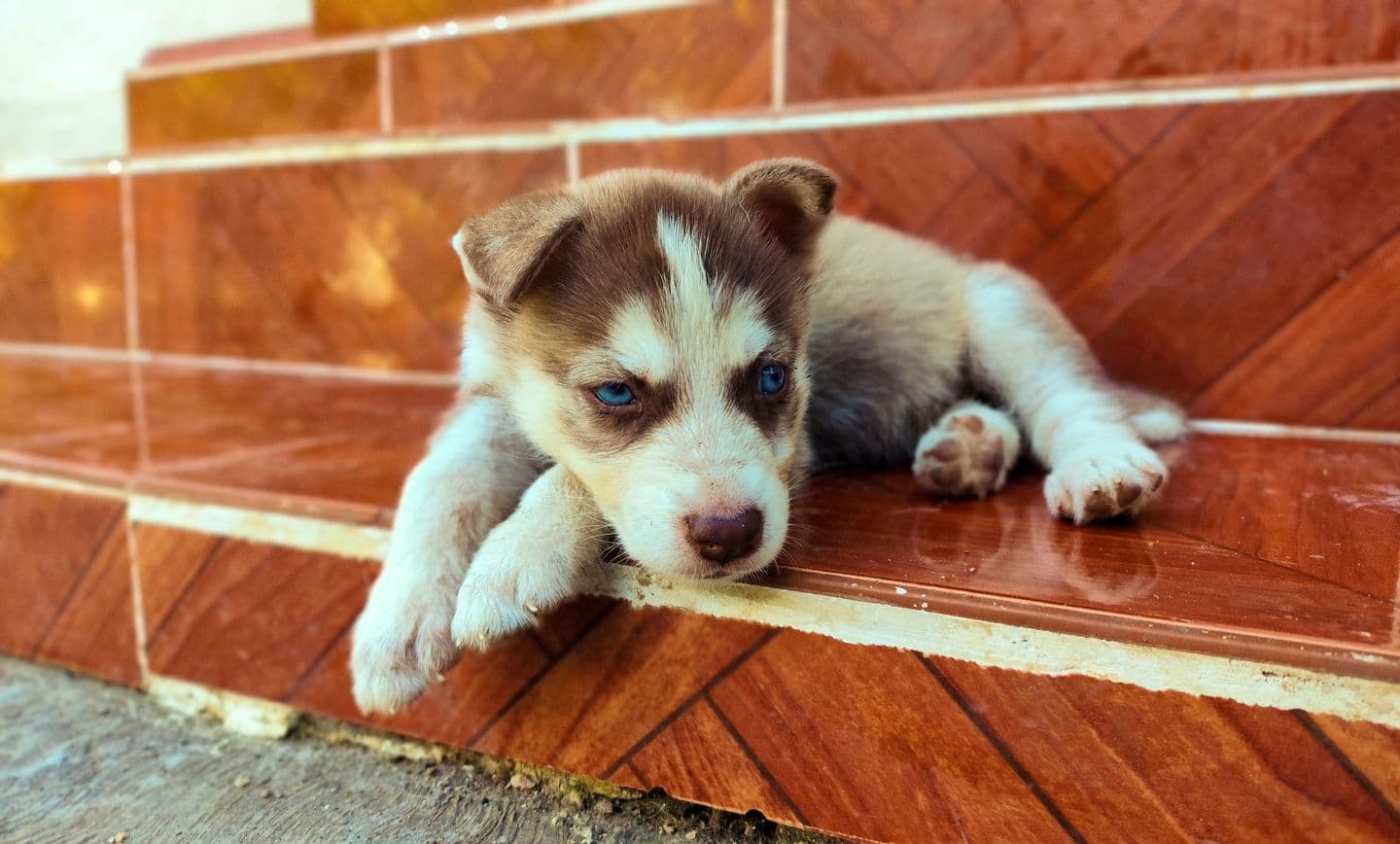
What to Do if Your Puppy Is Scratching and Itching
A little scratching is normal, part of everyday grooming. But when a puppy cannot seem to stop, chewing at their paws or rubbing their face along the carpet, it is worth paying closer attention, since
A little scratching is normal, part of everyday grooming. But when a puppy cannot seem to stop, chewing at their paws or rubbing their face along the carpet, it is worth paying closer attention, since a puppy's developing immune system makes them more sensitive to irritants than adult dogs.
Common Causes
Fleas, the single most common cause and often overlooked in mild infestations
Dry skin, particularly during winter months or with over-bathing
Mange, caused by microscopic mites, which can spread quickly, especially in puppies with developing immunity
Contact irritants, such as a new shampoo, bedding material, or cleaning product
Food or environmental allergies, though these are less common in very young puppies than in adults
Bacterial skin infections, sometimes appearing as small red, scabby rings
Boredom or anxiety, particularly in a puppy newly settling into an unfamiliar home
What to Check First
Part the fur and look closely at the skin, particularly around the neck, ears, base of the tail, and belly. Look for fleas or flea dirt, which appears as tiny black specks, along with redness, scabs, or hair thinning. A new collar is a surprisingly common, harmless trigger for scratching around the neck in the first few days after a puppy is brought home.
What You Can Do at Home
Confirm your puppy is on a vet approved, age appropriate flea and parasite prevention plan
Switch to a gentle, puppy safe shampoo if a recent product change lines up with the scratching
Keep a simple note of when the scratching happens and what your puppy was doing beforehand, since patterns often point to the cause
Avoid over-bathing, which can strip natural oils and worsen dry skin
When to See a Vet
Book a vet visit if the scratching is intense, targeted to one area, or accompanied by hair loss, redness, scabs, or an unpleasant smell. Because a puppy's skin can go from mildly irritated to broken and infected quite quickly, do not wait more than a few days if home measures are not helping. A vet may recommend a skin scraping or other simple tests to pinpoint the exact cause, whether that is mites, a bacterial infection, or an early allergy.
Socialisation and Skin Health
Puppies that interact with other dogs at parks, daycare, or puppy classes have more opportunities to pick up fleas or mild skin infections through close contact, which is not a reason to avoid socialisation but does make consistent parasite prevention especially important during this stage. A quick coat check after any outing where your puppy played closely with other dogs is a simple habit worth building early.
Puppy classes and supervised group play remain genuinely valuable for behavioural development, so the goal here is not avoidance but preparedness, keeping flea prevention current and doing a brief post play check rather than skipping social opportunities that matter for your puppy's long term temperament.
Common Questions
Could my puppy be scratching just from a new home environment?
Yes, mild stress related scratching can happen during the adjustment period after adoption. If your puppy is otherwise eating, playing, and settling in well, and the skin looks normal, this can be watched for a few days before assuming a medical cause.
Is it normal for puppies to scratch more than adult dogs?
Some increased scratching is normal in puppies, especially around teething age or when getting used to a new collar. Persistent, intense, or targeted scratching, however, is not simply a puppy phase and deserves a closer look.
This article is for general awareness and does not replace veterinary advice. If your dog is unwell, consult a veterinarian promptly.
Beyond the familiar Great Dane and Saint Bernard, a number of large, calm breeds carry the same gentle-giant temperament without quite the same name recognition. Most remain genuinely rare in India, b
A once-bouncy dog that suddenly seems flat, uninterested in walks, and withdrawn from the family is unsettling to watch, and the question that naturally follows is whether dogs can actually feel somet
A healthy dog isn't just a contented one; they're more playful, more energetic and more emotionally settled. As their owner, you're the biggest factor in how well your dog thrives, day in and day out.