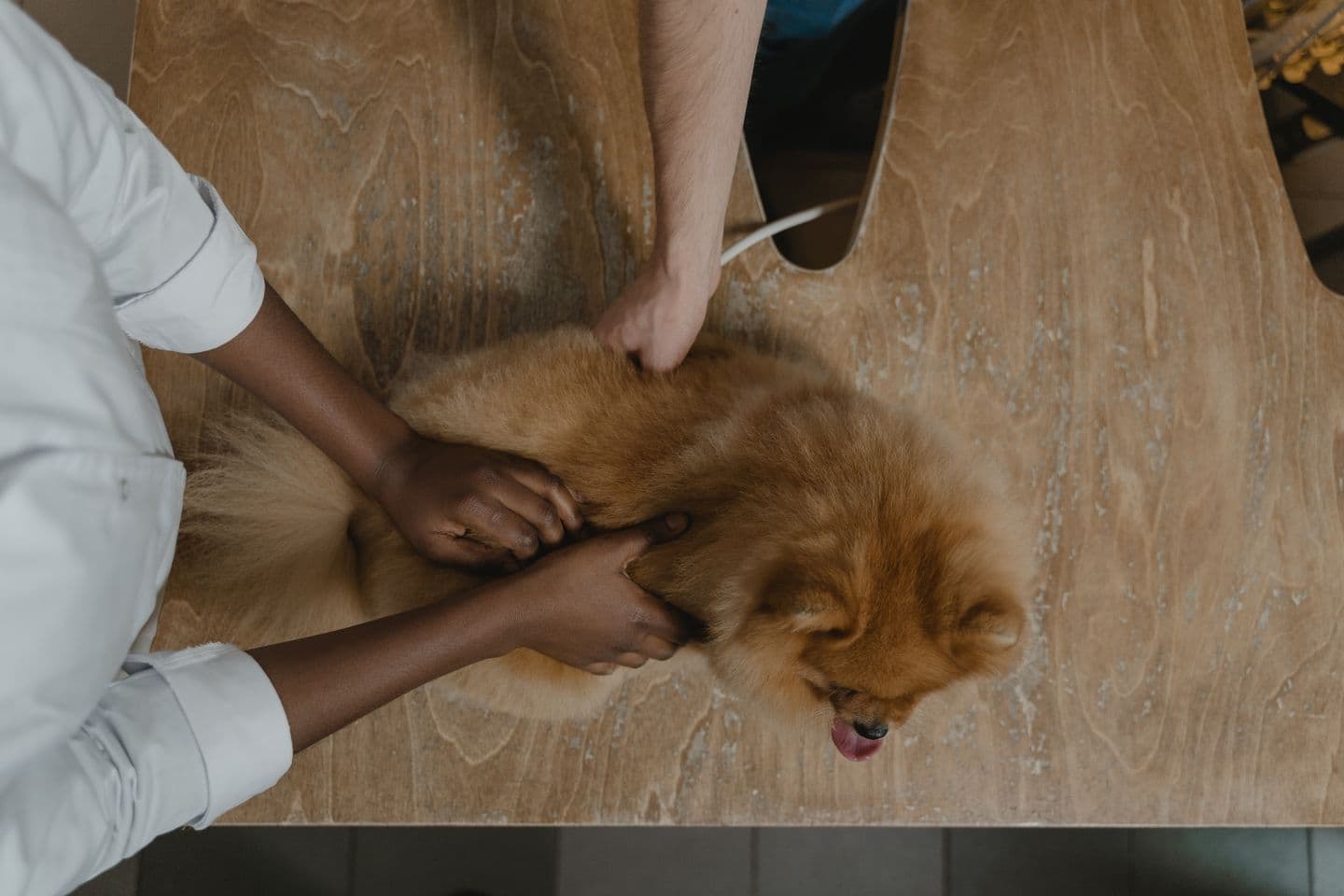
Diarrhoea is one of the most common reasons Indian pet parents reach out to a vet, or search online at midnight, and in many cases a mild, uncomplicated episode can be managed sensibly at home with th
Diarrhoea is one of the most common reasons Indian pet parents reach out to a vet, or search online at midnight, and in many cases a mild, uncomplicated episode can be managed sensibly at home with the right food and a bit of patience. Knowing what actually helps, and what simply prolongs the problem, makes a real difference to how quickly a dog recovers.
Should You Withhold Food First?
For a healthy adult dog with mild diarrhoea and no other symptoms, many vets recommend a short fast of around twelve hours to give the gut a rest, while still offering fresh water throughout. This is not appropriate for puppies, senior dogs, small breeds, or any dog with an existing health condition, since they can struggle to cope without food for even a short period, so check with your vet before withholding meals from these groups.
The Bland Diet
Once ready to offer food again, a bland, easily digestible diet is the standard first step. Boiled, skinless chicken with plain white rice, in a roughly one-to-two ratio, is the most commonly recommended combination, given in small, frequent meals rather than one or two large ones. Boiled lean ground turkey, or extra-lean ground beef with all the fat drained off, are reasonable substitutes for a dog who does not tolerate chicken well. Plain boiled potato, without butter, salt or milk, is another easily digested option that also helps replace lost electrolytes.
Other Supportive Foods
Plain, unsweetened yoghurt or curd in small amounts can help support gut bacteria, though it should be introduced cautiously if your dog is lactose sensitive.
Plain, cooked pumpkin, not spiced pie filling, adds soluble fibre that can help firm up stool once the acute phase has settled.
A vet-recommended dog-specific probiotic can help restore the balance of gut bacteria disrupted by the upset, and many Indian veterinary pharmacies stock these.
The starchy water left over from boiling rice, sometimes called kanji, offered plain and cooled, is a traditional home remedy that some Indian vets still suggest for its gentle, easily absorbed carbohydrate content, though it should complement, not replace, proper hydration.
What to Avoid
Fatty, spicy or rich foods, anything from the family kitchen or festival table, dairy beyond a small amount of plain curd, and any new or unfamiliar food should all be avoided until stool is back to normal. High-fibre foods like raw vegetables or excessive pumpkin can actually worsen diarrhoea in the very early stage, even though fibre helps later in recovery, so timing matters.
Transitioning Back to Regular Food
Once stools have returned to a normal, formed consistency for a day or two, gradually reintroduce the dog's usual food over five to seven days, mixing in slightly more of the regular diet each day while reducing the bland diet proportion. Moving too quickly back to normal food is one of the most common reasons diarrhoea returns just as it seemed to be resolving.
When to Stop Managing at Home
Contact your vet if diarrhoea persists beyond twenty-four to forty-eight hours, if there is any blood, if your dog is also vomiting, lethargic, feverish or refusing water, or if this is a puppy, senior dog, or small breed showing any signs of diarrhoea at all, since these groups can deteriorate faster than a healthy adult dog.
Tracking Recovery Day by Day
Keeping a simple note of stool consistency, appetite, and energy level each day during a diarrhoea recovery helps spot whether things are genuinely improving or merely fluctuating, which can be hard to judge day to day without a record. This is particularly useful when deciding whether to extend the bland diet a little longer or begin transitioning back to regular food, since a clear trend is more reliable than a single good or bad day.
If a dog has a known sensitivity to a particular protein source even within a bland diet, such as chicken, substituting a different lean protein like turkey or white fish for the recovery period can sometimes produce better results than defaulting to the most commonly recommended option.
Small, sensible adjustments to what is on hand at home often matter more than any single dramatic intervention.
A little structure here removes much of the guesswork later.
Common Questions
Is white rice or brown rice better for a dog with diarrhoea?
White rice is easier to digest and is the standard recommendation during an active bout of diarrhoea. Brown rice is higher in fibre and harder on an already upset stomach, so it is best saved for later, once things have settled.
Can I give my dog curd every day to help their stomach?
Small, occasional amounts of plain curd can support digestion, but it should not become a daily replacement for a balanced diet, and some dogs are more lactose sensitive than others.
How long is too long for diarrhoea in a puppy?
Puppies can dehydrate much faster than adult dogs, so any diarrhoea lasting more than a few hours, or accompanied by lethargy or vomiting, warrants a vet call rather than home management.
Beyond the familiar Great Dane and Saint Bernard, a number of large, calm breeds carry the same gentle-giant temperament without quite the same name recognition. Most remain genuinely rare in India, b
A once-bouncy dog that suddenly seems flat, uninterested in walks, and withdrawn from the family is unsettling to watch, and the question that naturally follows is whether dogs can actually feel somet
A healthy dog isn't just a contented one; they're more playful, more energetic and more emotionally settled. As their owner, you're the biggest factor in how well your dog thrives, day in and day out.