When a Dog Loses Its Balance: Making Sense of Ataxia
Ataxia describes a loss of coordination, a dog that suddenly seems drunk on its feet, stumbling, swaying, or unable to judge distances properly. It is a symptom rather than a disease in itself, and th
Ataxia describes a loss of coordination, a dog that suddenly seems drunk on its feet, stumbling, swaying, or unable to judge distances properly. It is a symptom rather than a disease in itself, and the underlying cause can range from mild and temporary to serious and urgent.
Types of ataxia and what they suggest
Vestibular ataxia: loss of balance often paired with a head tilt, circling, or rapid eye movements, pointing to inner ear or brainstem issues
Cerebellar ataxia: exaggerated, high stepping movements and tremors, pointing to problems in the part of the brain that fine tunes movement
Sensory (proprioceptive) ataxia: the dog cannot tell where its limbs are in space, often knuckling over its paws, pointing to spinal cord issues
Common causes seen in Indian veterinary practice
Ear infections, very common in India's humid climate, especially in floppy eared breeds
Tick borne diseases such as ehrlichiosis, which are widespread given the country's tick burden
Intervertebral disc disease, especially in long backed breeds like Dachshunds
Toxin exposure, including certain pesticides and rodenticides used around homes and farms
Stroke like events or vestibular disease in older dogs
A reassuring possibility in older dogs
One of the most common causes of sudden ataxia in senior dogs is idiopathic old dog vestibular disease. It comes on abruptly, often looks frightening, head tilt, circling, even rolling or falling over, yet has no identifiable cause and typically improves on its own within one to three weeks with supportive care. A vet still needs to examine the dog to rule out the more serious causes below before settling on this diagnosis, but it is worth knowing that a dramatic looking balance problem in an older dog is not always a dire one.
Why this always warrants a vet visit
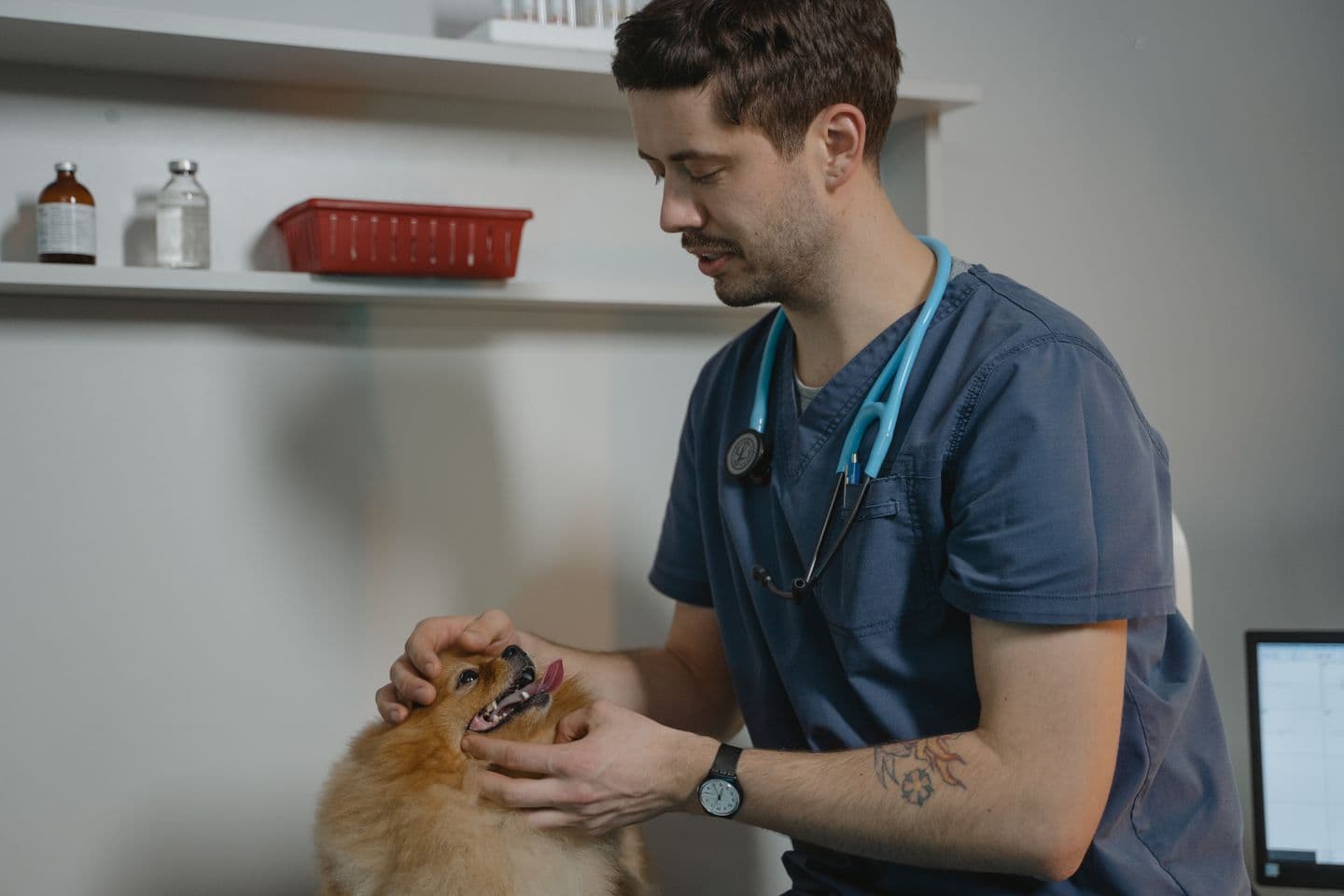
Because the causes range so widely, from something as manageable as an ear infection to something as serious as a tick borne disease or spinal injury, sudden ataxia should never be managed at home. A vet will typically perform a neurological examination and, depending on findings, blood tests, tick panels, or imaging to pin down the cause. The earlier a cause like a tick borne infection is caught, the better the outcome tends to be.
Common Questions
Q: Can stress or anxiety cause ataxia? A: No, ataxia always has a physical cause, whether in the ear, brain, or spinal cord. It should never be dismissed as behavioural or emotional.
Q: Should I carry my dog to the vet if they are very wobbly? A: Yes, supporting the hindquarters or carrying a small to medium dog avoids falls on stairs or slippery floors during the acute, disoriented phase.
Beyond the familiar Great Dane and Saint Bernard, a number of large, calm breeds carry the same gentle-giant temperament without quite the same name recognition. Most remain genuinely rare in India, b
A once-bouncy dog that suddenly seems flat, uninterested in walks, and withdrawn from the family is unsettling to watch, and the question that naturally follows is whether dogs can actually feel somet
A healthy dog isn't just a contented one; they're more playful, more energetic and more emotionally settled. As their owner, you're the biggest factor in how well your dog thrives, day in and day out.