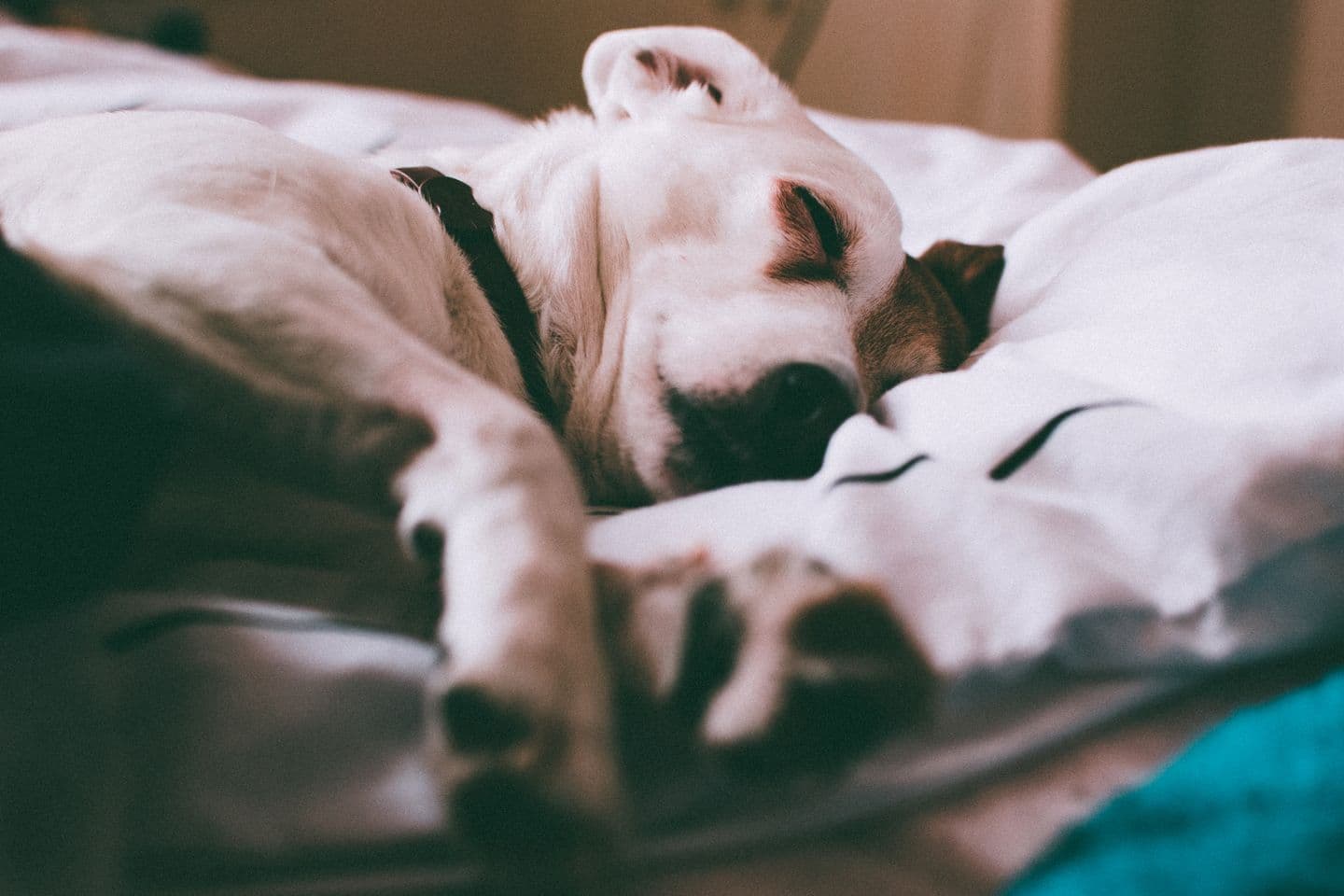
Why Do Dogs Sleep So Much? Natural Instinct or Health Concern
It is common to see a dog spend a large part of the day dozing, and for good reason. Sleep is a bigger part of a dog's daily rhythm than most new owners expect.
It is common to see a dog spend a large part of the day dozing, and for good reason. Sleep is a bigger part of a dog's daily rhythm than most new owners expect.
How Much Sleep Is Normal
Adult dogs typically sleep twelve to fourteen hours a day. Puppies and senior dogs sleep even more, sometimes eighteen hours or beyond, since growth and ageing both demand extra rest.
Why Dogs Need So Much Rest
Much of a dog's sleep is lighter rest rather than deep sleep, so they need more total hours to get the same restorative benefit a person gets from seven or eight hours of solid sleep. Breed, age, size, and activity level all influence how much sleep an individual dog needs.
Factors That Increase Sleep
Hot, humid weather common across much of India, which naturally lowers a dog's energy and activity
A big, active play session or long walk earlier in the day
Growth spurts in puppies
Larger breeds, which generally sleep more than smaller, more energetic ones
When Increased Sleep Is a Warning Sign
A sudden, noticeable increase in sleep, especially paired with reduced appetite, reluctance to move, or general dullness, is worth a vet visit. This can point to pain, an underlying illness, or in older dogs, early signs of cognitive decline.
Helping Your Dog Sleep Well
A cool, quiet, comfortable spot away from household traffic supports good rest, particularly important during hot Indian summers when a fan or cooler near the resting area can make a real difference to sleep quality.
Building a Predictable Routine
Dogs settle into sleep more easily with a consistent daily rhythm, similar meal times, similar walk times, and a wind down period in the evening. A predictable routine also makes it easier to notice quickly if your dog's sleep pattern genuinely changes, since you know what normal looks like for them.
Sleep and Meal Timing
A large meal shortly before a nap can make a dog sleepier than usual as digestion takes priority, similar to the drowsiness people feel after a heavy lunch. This is normal, though a very large or fatty meal followed by immediate vigorous activity is worth avoiding, particularly in deep chested breeds.
Beyond the familiar Great Dane and Saint Bernard, a number of large, calm breeds carry the same gentle-giant temperament without quite the same name recognition. Most remain genuinely rare in India, b
A once-bouncy dog that suddenly seems flat, uninterested in walks, and withdrawn from the family is unsettling to watch, and the question that naturally follows is whether dogs can actually feel somet
A healthy dog isn't just a contented one; they're more playful, more energetic and more emotionally settled. As their owner, you're the biggest factor in how well your dog thrives, day in and day out.