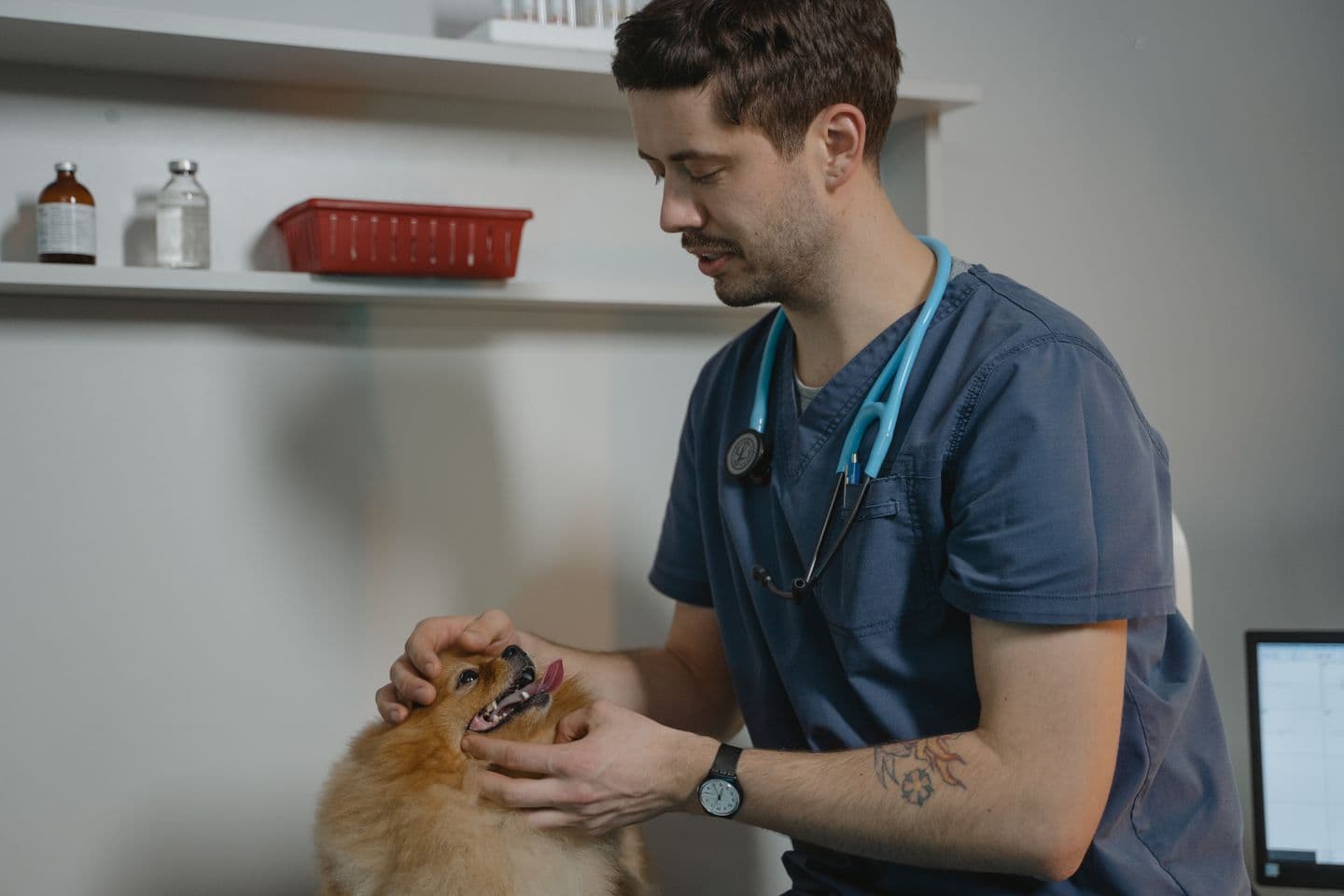
Worn Down Dog Teeth: Causes, Prevention and Treatment
Dog teeth are remarkably tough, but they are not indestructible. Worn down teeth, flattened, chipped or visibly shorter than they should be, are more common than most pet parents realise, and worth un
Dog teeth are remarkably tough, but they are not indestructible. Worn down teeth, flattened, chipped or visibly shorter than they should be, are more common than most pet parents realise, and worth understanding both to prevent further damage and to know when treatment is genuinely needed.
What causes worn teeth
Chewing on excessively hard objects, stones, hard nylon bones, antlers, cage bars or fences, which can wear down enamel over time or cause sudden fractures
Compulsive chewing or licking behaviours, sometimes linked to anxiety, boredom or confinement stress
Natural age-related wear, particularly in older dogs who have chewed consistently for years
Malocclusion, where misaligned teeth wear unevenly against each other or surrounding structures
Why worn teeth are more than a cosmetic issue
Significant wear can expose the sensitive inner pulp of a tooth, causing pain and creating an entry point for infection that can spread to the jawbone if untreated. A tooth that looks merely flattened from the outside may already have deeper structural damage that only an X-ray, usually done under anaesthesia, can properly assess.
Recognising a problem
Visible flattening, chips or discolouration, sometimes appearing brown, grey or pink at the centre
Reluctance to chew, or chewing predominantly on one side
Bad breath or visible swelling around a specific tooth
Sudden sensitivity to cold water or food
Treatment options
Mild wear without pulp exposure may simply need monitoring and a change in chew habits. More significant wear often requires a vital pulpotomy or root canal treatment to save the tooth, or extraction if the damage is too extensive to repair. Your vet will determine the right approach based on X-rays and a full oral examination, not visual inspection alone.
Prevention that actually works
Choose chew toys that give slightly under firm thumbnail pressure, avoiding anything so hard it would hurt to be hit with it
Avoid ice cubes, cow hooves, hard nylon bones and deer antlers, all common causes of fractured teeth
Address anxiety-driven chewing with appropriate enrichment or, where needed, professional behavioural guidance rather than letting it continue unaddressed
Keep up with regular dental checkups, which catch wear and damage well before it becomes a painful, advanced problem
Recognising early wear before it becomes a problem
Catching mild wear early, before it reaches the sensitive inner pulp, often means the difference between simple monitoring and a more involved procedure. During your monthly at-home check, run a finger gently along your dog's teeth and note anything that feels unusually flat, rough, or different from the surrounding teeth. Mentioning this at the next routine vet visit, even if it seems minor, gives your vet the chance to assess it with proper equipment before it progresses into something requiring more significant treatment.
Yoast SEO Metadata
Tags: worn dog teeth, dog tooth fracture, dog dental care
Beyond the familiar Great Dane and Saint Bernard, a number of large, calm breeds carry the same gentle-giant temperament without quite the same name recognition. Most remain genuinely rare in India, b
A once-bouncy dog that suddenly seems flat, uninterested in walks, and withdrawn from the family is unsettling to watch, and the question that naturally follows is whether dogs can actually feel somet
A healthy dog isn't just a contented one; they're more playful, more energetic and more emotionally settled. As their owner, you're the biggest factor in how well your dog thrives, day in and day out.