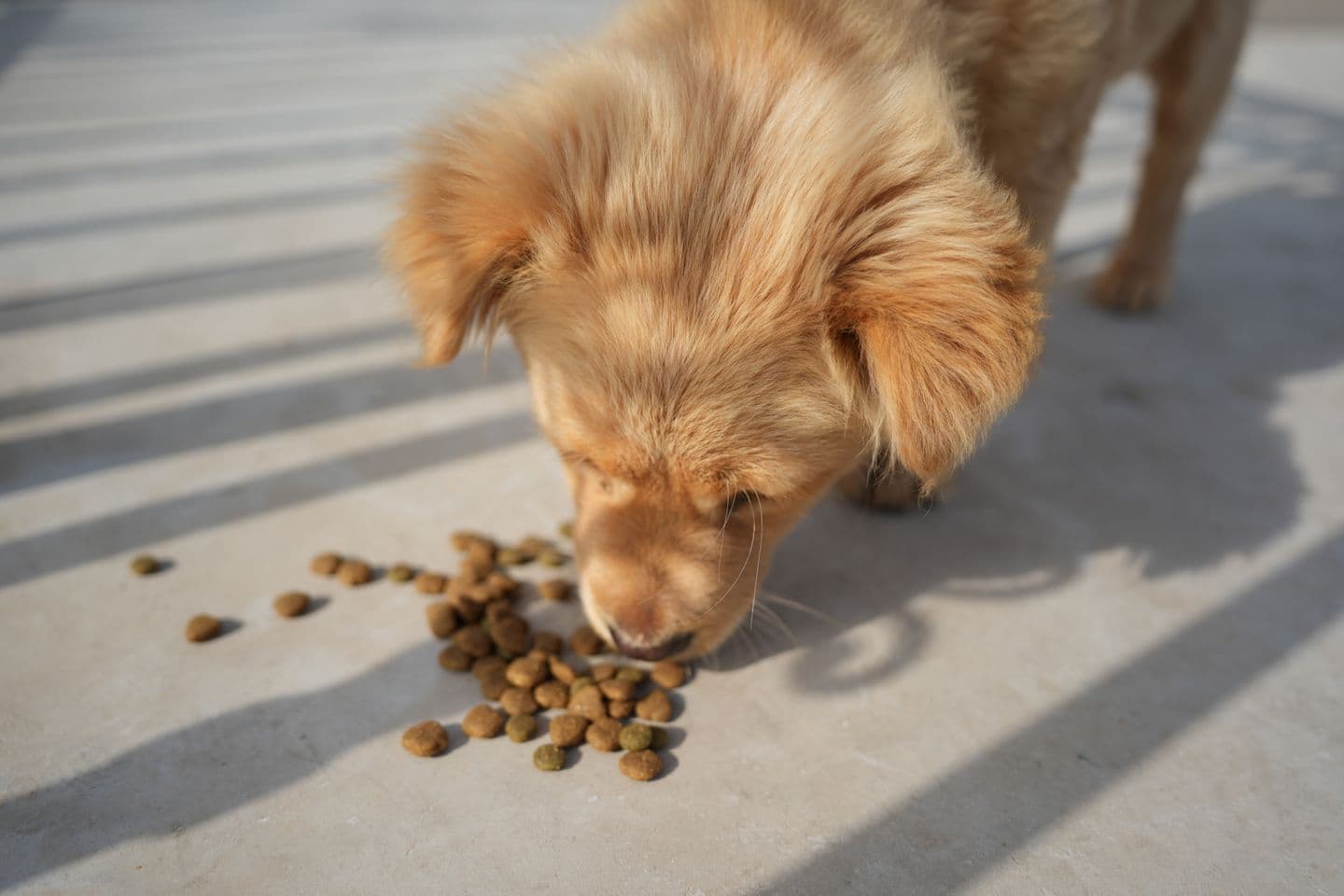
A small amount of honey is generally safe for adult dogs, though it is worth being precise about how small, since honey is essentially concentrated sugar, and one specific age group should avoid it al
A small amount of honey is generally safe for adult dogs, though it is worth being precise about how small, since honey is essentially concentrated sugar, and one specific age group should avoid it altogether.
Why puppies should not have honey
Raw honey can contain Clostridium botulinum spores, which a mature digestive system generally handles without issue, but a very young puppy's immune and digestive system may not yet be developed enough to prevent these spores from producing toxin. This mirrors the same reasoning behind not giving raw honey to human infants under one year. Puppies should not be given honey, raw or pasteurised. Standard pasteurisation is designed to kill active bacteria and extend shelf life, but botulinum spores are notably heat-resistant and are not reliably destroyed by the pasteurisation temperatures used for honey, so a pasteurised label does not meaningfully reduce this particular risk. It is simpler to avoid honey for puppies altogether in favour of age-appropriate treats.
For adult dogs
In adult dogs, a small amount of honey, roughly half a teaspoon for a small dog up to a teaspoon for a large dog, occasionally, is unlikely to cause harm and some owners use it as a treat or to help hide the taste of a bitter medication. Honey does contain trace antioxidants and enzymes, but the amounts involved are too small to represent a meaningful health benefit, and any claims about honey treating allergies in dogs the way it is sometimes claimed to for humans are not well supported by veterinary evidence.
Who should avoid it
Diabetic dogs and overweight dogs should avoid honey given its pure sugar content and effect on blood glucose. Dogs with a compromised immune system are at slightly higher risk from the same botulism spore concern that rules it out for puppies. For most healthy adult dogs, an occasional small amount is fine, but honey offers convenience and taste rather than any real nutritional necessity.
Local honey versus commercial honey
There is no meaningful safety difference between local, small-batch honey and commercial honey for dogs; the botulism spore consideration for puppies and the sugar content consideration for adult dogs apply equally to both. Local raw honey is sometimes marketed to humans on the premise that it can help build tolerance to local pollen allergens, but this claim is unproven even in humans and has no established evidence in dogs specifically, so it is not a reason to treat local honey as a meaningful allergy remedy for a dog. Whichever source is used, the same small-amount, adults-only guidance applies.
Beyond the familiar Great Dane and Saint Bernard, a number of large, calm breeds carry the same gentle-giant temperament without quite the same name recognition. Most remain genuinely rare in India, b
A once-bouncy dog that suddenly seems flat, uninterested in walks, and withdrawn from the family is unsettling to watch, and the question that naturally follows is whether dogs can actually feel somet
A healthy dog isn't just a contented one; they're more playful, more energetic and more emotionally settled. As their owner, you're the biggest factor in how well your dog thrives, day in and day out.