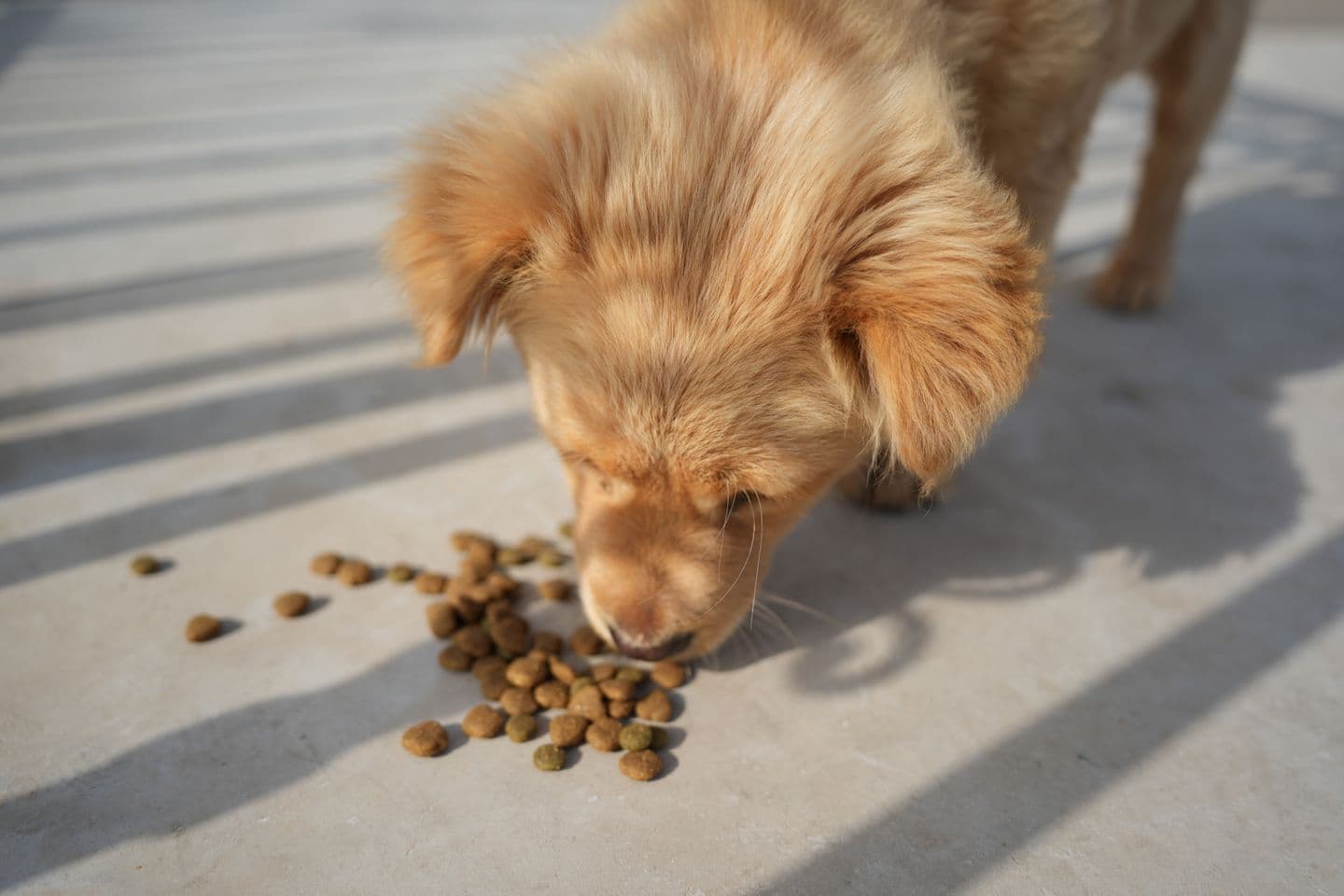
A lick from a cone now and then will not usually harm a dog, but ice cream is not a food to offer regularly, and some variations are outright dangerous.
A lick from a cone now and then will not usually harm a dog, but ice cream is not a food to offer regularly, and some variations are outright dangerous.
The core problems
Most dogs, like most adult mammals outside infancy, lose much of the enzyme needed to digest lactose efficiently as they mature. Dairy-heavy ice cream can trigger gas, bloating, and diarrhoea even in dogs without a severe intolerance. On top of that, ice cream is high in sugar and fat, neither of which a dog's diet needs more of, and regular fatty treats raise the risk of pancreatitis over time.
Flavours that are genuinely dangerous
Chocolate ice cream contains theobromine, toxic to dogs and capable of causing vomiting, tremors, an elevated heart rate, or worse depending on the dose and the dog's size. Any ice cream, sorbet, or frozen yoghurt sweetened with xylitol is a medical emergency waiting to happen, since xylitol causes a rapid, dangerous drop in blood sugar in dogs even at small doses. Raisin, grape, macadamia, or nut-mix ice creams carry their own separate risks and should never be shared.
A safer alternative
Plain frozen yoghurt or a homemade frozen banana and peanut butter treat, made with a xylitol-free peanut butter, gives a similar cooling, food-motivated experience without the sugar and lactose load. Lactose-free options made for dogs are sold by several Indian pet brands and are the more sensible choice for a household that wants to share a frozen treat regularly, particularly through the hotter months.
Whatever the treat, a tablespoon or two for a small dog and a few tablespoons for a large dog is plenty. Eating a frozen treat too quickly can also cause the same brief head pain, sometimes called an ice cream headache, that people get, which shows up in dogs as a sudden pause, head shake, or brief distress; letting a frozen treat soften slightly first, or offering it in a lick mat that slows consumption, avoids this.
A dog-safe version made at home
For households that want to share a frozen treat regularly without the sugar, dairy, and risk concerns of shop-bought ice cream, a simple blend of ripe banana, a spoonful of plain yoghurt, and a small amount of xylitol-free peanut butter, blended smooth and frozen in an ice cube tray or a silicone mould, makes a reasonable substitute. It is easy to portion consistently, keeps well in the freezer for a couple of weeks, and avoids the lactose, added sugar, and chocolate risk that come with most commercial ice cream. As with any homemade treat, it should still count toward the dog's daily calorie total rather than being treated as calorie-free simply because it is homemade.
Beyond the familiar Great Dane and Saint Bernard, a number of large, calm breeds carry the same gentle-giant temperament without quite the same name recognition. Most remain genuinely rare in India, b
A once-bouncy dog that suddenly seems flat, uninterested in walks, and withdrawn from the family is unsettling to watch, and the question that naturally follows is whether dogs can actually feel somet
A healthy dog isn't just a contented one; they're more playful, more energetic and more emotionally settled. As their owner, you're the biggest factor in how well your dog thrives, day in and day out.