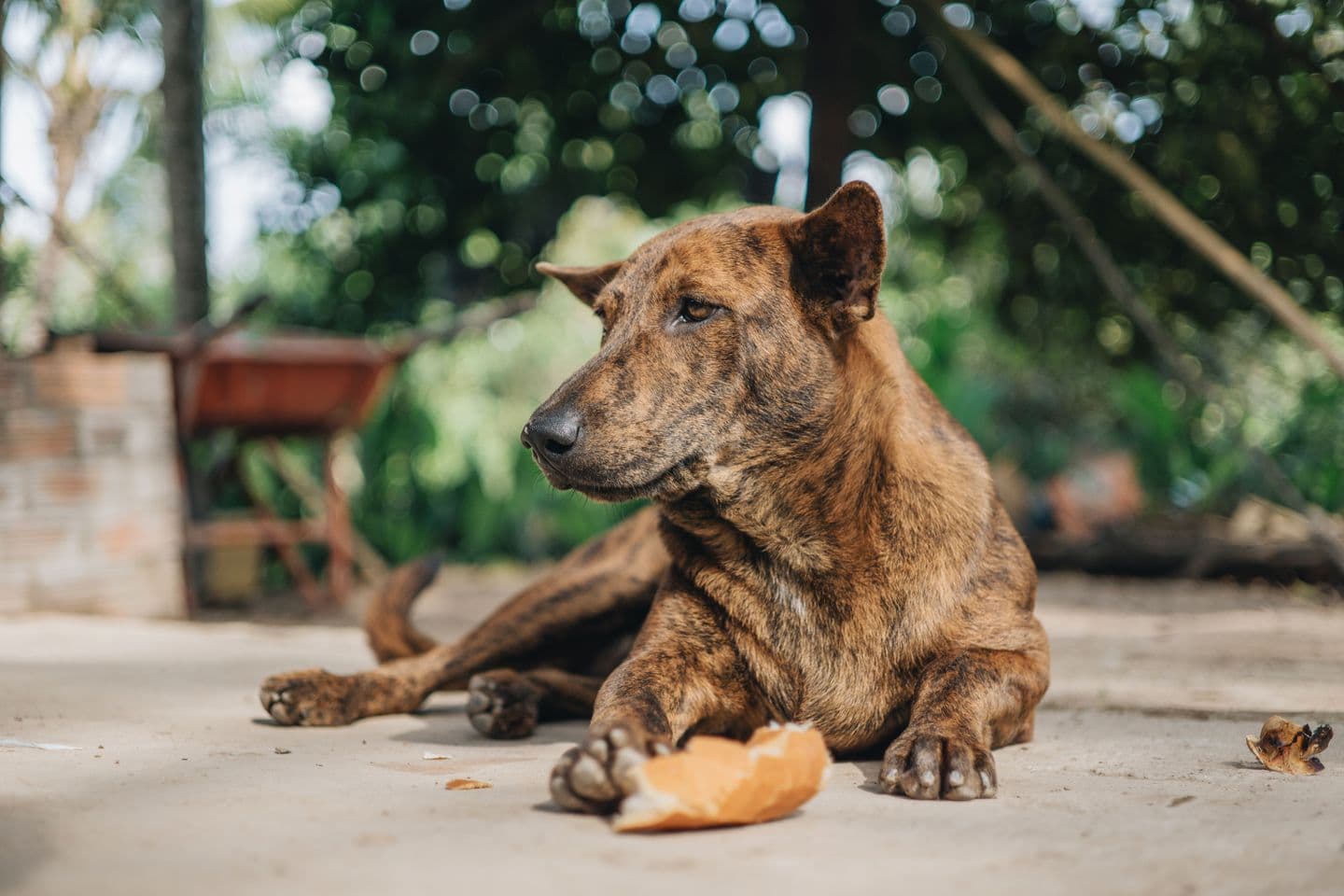
Onion is one of the more firmly established toxic foods for dogs, and unlike some cautionary foods where a small amount is generally tolerated, there is genuinely no safe deliberate serving size.
Onion is one of the more firmly established toxic foods for dogs, and unlike some cautionary foods where a small amount is generally tolerated, there is genuinely no safe deliberate serving size.
Why onion is dangerous
Onion, along with the rest of the allium family, garlic, leeks, chives, and shallots, contains organosulfur compounds that damage a dog's red blood cells, leading to a condition called haemolytic anaemia, where the body destroys its own red blood cells faster than it can replace them. Veterinary toxicology references generally place the threshold for clinically significant red blood cell damage at roughly 15 to 30 grams of onion per kilogram of body weight, which sounds like a lot until it is converted into kitchen terms: for a 10 kilogram dog, that is only about half a small onion, well within range of an unattended piece of home cooking. This can develop over a single large exposure or build up gradually from repeated small exposures, which makes it particularly risky in households that regularly cook with onion and are not deliberate about keeping scraps away from the dog.
All forms carry risk
Raw, cooked, powdered, and dehydrated onion are all dangerous, and cooking does not neutralise the toxic compounds. Onion powder is often more concentrated than the fresh vegetable, so a small amount of heavily seasoned food can carry a higher effective dose than it might appear. This matters a great deal in Indian cooking, where onion, and usually garlic alongside it, is a base ingredient in most savoury dishes, making table scraps and cooking spills a common and easily overlooked source of exposure.
Signs of toxicity and what to do
Symptoms of onion toxicity can take a day or more to appear after ingestion and include lethargy, weakness, pale or yellowish gums, reduced appetite, vomiting, dark urine, and a rapid heart rate. If a dog is known or suspected to have eaten a meaningful amount of onion, cooked food heavy with onion included, contact a vet promptly rather than waiting for symptoms, since blood tests can catch early changes before visible signs appear. The safest long-term approach is keeping the dog's food entirely separate from onion-based cooking rather than trying to identify safe leftover portions.
A hidden source worth checking
Households with an infant sometimes keep jarred or packaged baby food on hand, and it is worth knowing that some savoury baby food varieties, particularly meat and vegetable blends, contain onion powder as a flavour base even though the product is marketed for young children. A dog that manages to get into an open jar or a dropped spoonful of baby food is at the same onion exposure risk as one that gets into adult cooking, just from a source an owner might not think to check. Reading the ingredient list on any packaged food before it is left within a dog's reach, baby food included, closes this gap.
Beyond the familiar Great Dane and Saint Bernard, a number of large, calm breeds carry the same gentle-giant temperament without quite the same name recognition. Most remain genuinely rare in India, b
A once-bouncy dog that suddenly seems flat, uninterested in walks, and withdrawn from the family is unsettling to watch, and the question that naturally follows is whether dogs can actually feel somet
A healthy dog isn't just a contented one; they're more playful, more energetic and more emotionally settled. As their owner, you're the biggest factor in how well your dog thrives, day in and day out.