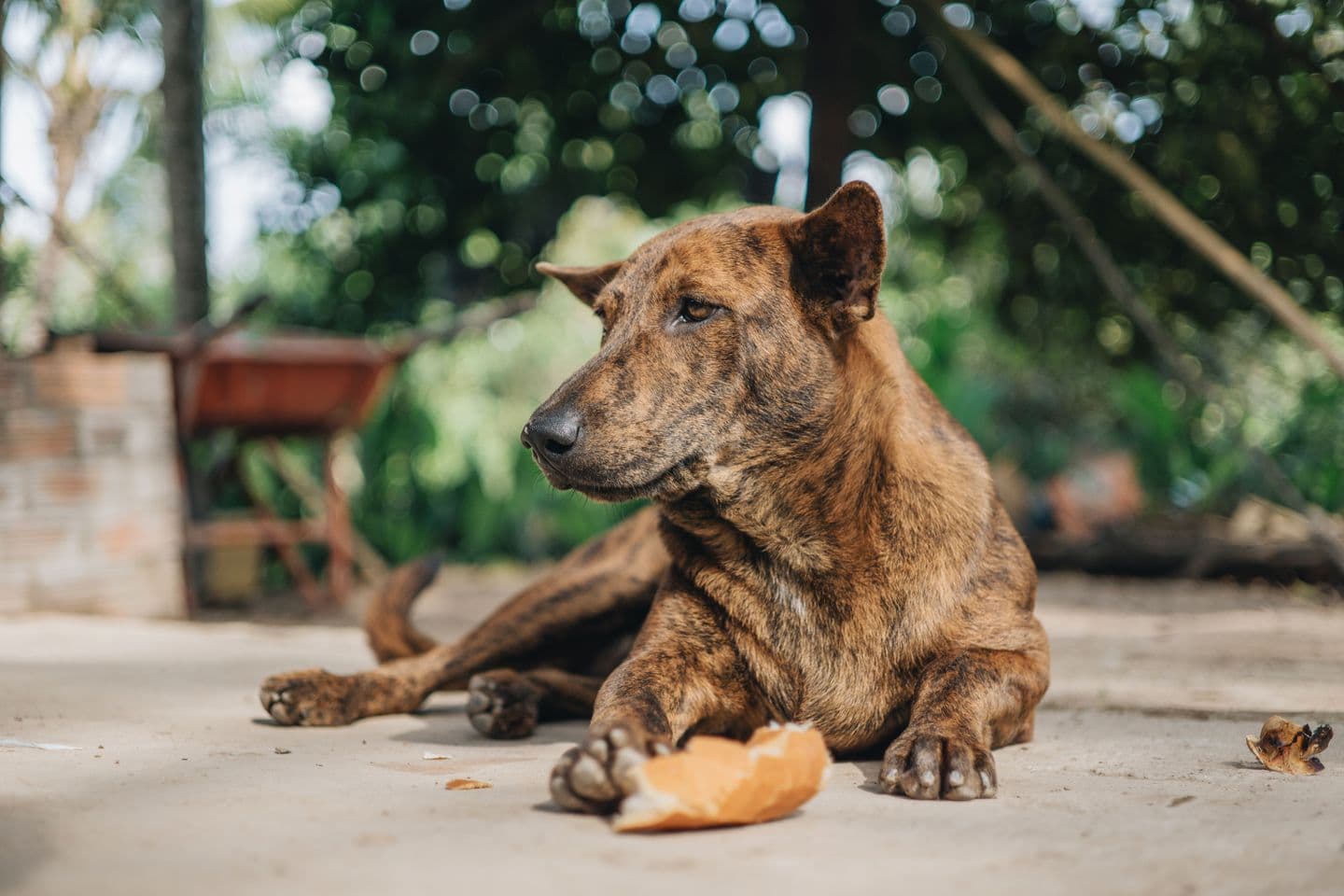
Plain, fully cooked pork is safe for dogs and is used as a protein source in a number of commercial and homemade diets. The preparation is what determines whether it is a safe treat or a problem.
Plain, fully cooked pork is safe for dogs and is used as a protein source in a number of commercial and homemade diets. The preparation is what determines whether it is a safe treat or a problem.
Cooked pork
Fully cooked, lean pork with no bones, no seasoning, and the visible fat trimmed off is a reasonable occasional protein source, offering a similar amino acid profile to chicken. It should not replace a dog's regular balanced diet but works fine as an addition or a training treat in small pieces.
Raw pork
Raw or undercooked pork carries a real risk of Trichinella spinalis, a parasite that causes trichinosis, along with Salmonella and other bacteria. Thorough cooking to a safe internal temperature, generally at least 63 to 71 degrees Celsius depending on the cut, with a short rest time, eliminates this risk, which is why raw pork specifically is treated with more caution than some other raw meats in raw feeding discussions.
Processed pork and bones
Bacon, ham, sausages, and other processed and cured pork products are heavily salted, often high in fat, and frequently contain seasoning like garlic or onion powder, all of which make them a poor regular choice even though a small bite is unlikely to be an emergency. Cooked pork bones, like other cooked bones, splinter easily and are a genuine choking and intestinal injury risk; they should never be given, cooked or raw pork bones from butchers included, without a vet's specific guidance on raw bone feeding.
As with most meats, the safest approach is plain, well-cooked, unseasoned pork in modest amounts, kept separate from the fattier, salted, or bone-in cuts common in Indian pork preparations.
Why pork appears in hypoallergenic diets
Pork is sometimes chosen as the protein source in commercial diets marketed for dogs with suspected food allergies, on the reasoning that it is fed less often than chicken or beef in most households and therefore less likely to have already triggered a sensitivity through repeated past exposure. This makes it a candidate novel protein for an elimination diet trial in some cases, though a genuinely novel protein has to be one the individual dog has truly never eaten before, which pork may not be if it is already a household staple. Any elimination diet, pork-based or otherwise, works best when planned with a vet rather than assumed from general labelling.
Beyond the familiar Great Dane and Saint Bernard, a number of large, calm breeds carry the same gentle-giant temperament without quite the same name recognition. Most remain genuinely rare in India, b
A once-bouncy dog that suddenly seems flat, uninterested in walks, and withdrawn from the family is unsettling to watch, and the question that naturally follows is whether dogs can actually feel somet
A healthy dog isn't just a contented one; they're more playful, more energetic and more emotionally settled. As their owner, you're the biggest factor in how well your dog thrives, day in and day out.