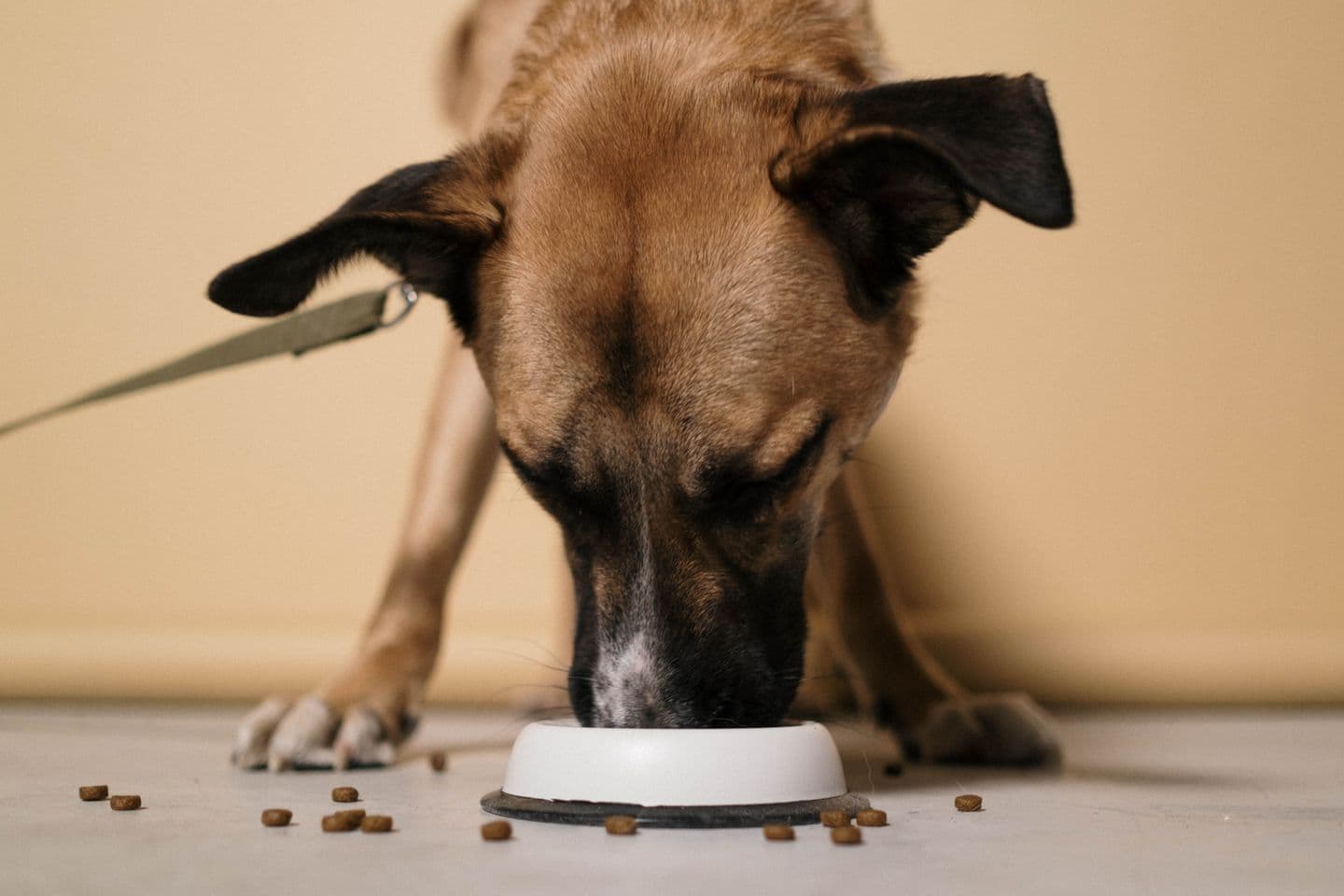
Plain, unsweetened yoghurt is safe for most dogs and can be a genuinely useful addition in small amounts, offering probiotics and protein without the lactose load of a glass of milk.
Plain, unsweetened yoghurt is safe for most dogs and can be a genuinely useful addition in small amounts, offering probiotics and protein without the lactose load of a glass of milk.
Why yoghurt is often better tolerated than milk
Live yoghurt cultures partially break down lactose during fermentation, which is why many dogs who react poorly to milk can tolerate a small amount of plain yoghurt without the same gas or loose stools. It is not a guarantee, since individual tolerance varies, but it is the reason yoghurt is often suggested as a gentler dairy option than milk or cream.
What to look for on the label
Plain and unsweetened is the only version worth offering. Flavoured yoghurts, especially anything vanilla, fruit, or dessert branded, often carry added sugar and sometimes xylitol, a genuine emergency if present. Choose a yoghurt with live or active cultures listed, which is where the probiotic benefit actually comes from, and avoid anything with chocolate, coffee, or artificial sweeteners mixed in.
How much and for whom
A spoonful for a small dog and a couple of tablespoons for a large dog, a few times a week, is a reasonable amount. Dogs with a confirmed dairy intolerance should skip it regardless of the fermentation benefit, and dogs prone to weight gain should account for the calories, modest as they are, since yoghurt is easy to over-offer as a casual treat. It is a nice-to-have addition rather than something a dog's digestion depends on, and probiotic supplements formulated specifically for dogs are a more reliable choice if the goal is genuine gut health support rather than an occasional treat.
Plain homemade curd, common in most Indian kitchens, follows the same rules as plain yoghurt and is a fine substitute. Lassi, on the other hand, is usually blended with sugar or salt and sometimes fruit, and is best treated the same way as any other sweetened dairy drink, an occasional taste at most rather than a regular offering.
Greek yoghurt as a slightly better option
Greek yoghurt, strained more heavily than regular yoghurt during production, ends up with less residual lactose and a higher protein content for the same serving size, which makes it a marginally better choice for dogs with mild dairy sensitivity, though it is not a guarantee of tolerance any more than regular yoghurt is. The same plain, unsweetened, live-culture rule applies regardless of which type is chosen. Flavoured Greek yoghurt carries the same added sugar and occasional xylitol risk as any other flavoured dairy product, so the plain requirement does not relax just because the yoghurt is the Greek style.
Beyond the familiar Great Dane and Saint Bernard, a number of large, calm breeds carry the same gentle-giant temperament without quite the same name recognition. Most remain genuinely rare in India, b
A once-bouncy dog that suddenly seems flat, uninterested in walks, and withdrawn from the family is unsettling to watch, and the question that naturally follows is whether dogs can actually feel somet
A healthy dog isn't just a contented one; they're more playful, more energetic and more emotionally settled. As their owner, you're the biggest factor in how well your dog thrives, day in and day out.