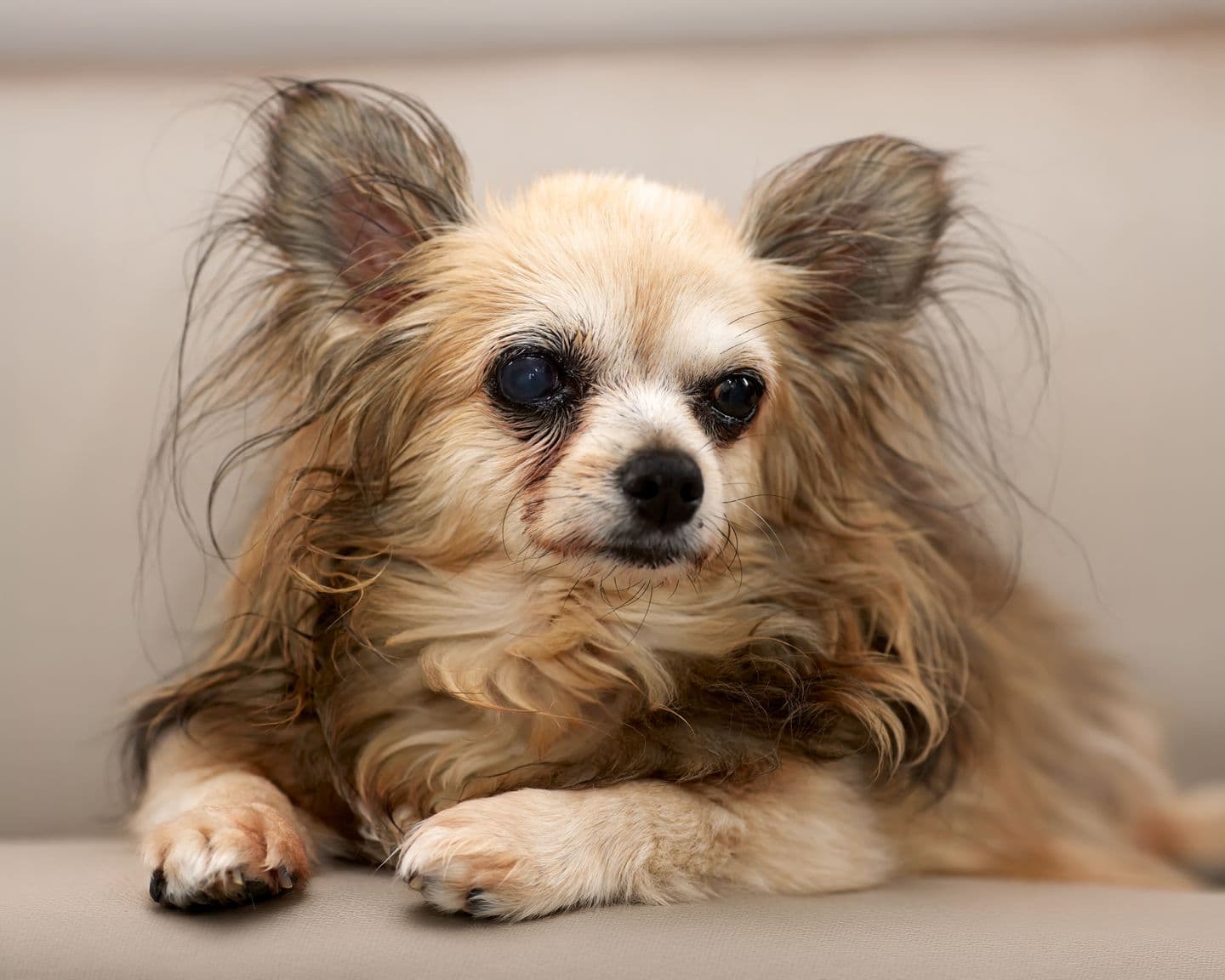
Does My Dog Need Senior Food? A Practical Guide for Ageing Dogs
Unlike a birthday that arrives on a set date, there is no single age at which every dog becomes a senior. It depends heavily on breed and size. Large and giant breeds, such as a Great Dane or a Saint
Unlike a birthday that arrives on a set date, there is no single age at which every dog becomes a senior. It depends heavily on breed and size. Large and giant breeds, such as a Great Dane or a Saint Bernard, are often considered senior from around five to eight years of age, while small breeds, common across many Indian homes, such as a Shih Tzu, Pomeranian or Dachshund, may not reach that stage until 10 or 11 years.
Signs Your Dog May Be Ready for a Change
Noticeable weight gain despite consistent feeding
Reduced activity, stiffness or difficulty with stairs
A duller coat or changes in skin condition
Digestive changes, such as looser stools or a reduced appetite
Diagnosis of an age related condition, such as arthritis, kidney disease or heart disease
What Actually Changes in a Senior Formula
Senior dog food is not a strictly regulated category, so formulas vary quite a bit between brands. In general, though, many senior diets aim for:
Controlled calories to offset a slower metabolism and reduced activity
Adequate, often higher quality protein to help preserve muscle mass, since older dogs need this as much as younger dogs do, not less
Added joint support nutrients such as glucosamine and chondroitin
Omega 3 fatty acids for joint and cognitive health
Easier digestibility and sometimes added fibre
A Common Myth Worth Clearing Up
Many owners assume older dogs need less protein, but current veterinary understanding actually points the other way. Reducing protein unnecessarily can accelerate muscle loss in ageing dogs rather than prevent it. What senior dogs typically need is fewer excess calories, not less protein.
Beyond the Body: Cognitive Changes Too
Ageing affects the brain as well as the joints. Some senior dogs develop canine cognitive dysfunction, sometimes described as a dog equivalent of dementia, with signs like disorientation, disrupted sleep patterns, or seeming to forget familiar routines. Diets enriched with omega 3 fatty acids, particularly DHA, along with antioxidants, are sometimes recommended alongside other management strategies for dogs showing these signs, though this should be guided by your veterinarian rather than chosen off a label alone.
How to Make the Switch
If your veterinarian recommends a change, transition gradually over seven to ten days, mixing increasing amounts of the new food with decreasing amounts of the old to avoid digestive upset. Dogs with more sensitive stomachs, or a history of digestive trouble, may need an even slower transition.
Home Cooked Meals for Senior Dogs
Many Indian households prefer home cooked food for their dogs, often built around rice, dal and boiled chicken or fish. If this describes your routine, senior dogs still benefit from a conversation with your vet about adjusting portions, protein sources and any joint support supplements, since a home kitchen diet needs the same attention to changing needs as a packaged one.
The Bottom Line
Age alone should not decide the switch. A thorough check up with your veterinarian, including bloodwork if needed, gives a far clearer picture of whether your dog's current diet still fits or whether it is time for a change.
Beyond the familiar Great Dane and Saint Bernard, a number of large, calm breeds carry the same gentle-giant temperament without quite the same name recognition. Most remain genuinely rare in India, b
A once-bouncy dog that suddenly seems flat, uninterested in walks, and withdrawn from the family is unsettling to watch, and the question that naturally follows is whether dogs can actually feel somet
A healthy dog isn't just a contented one; they're more playful, more energetic and more emotionally settled. As their owner, you're the biggest factor in how well your dog thrives, day in and day out.