Great Dane: Understanding the Gentle Giant's Real Nature and Care Needs
Enormous in size and famously calm in temperament, the Great Dane surprises many Indian owners by adapting to city living better than its scale would suggest.
Enormous in size and famously calm in temperament, the Great Dane surprises many Indian owners by adapting to city living better than its scale would suggest.
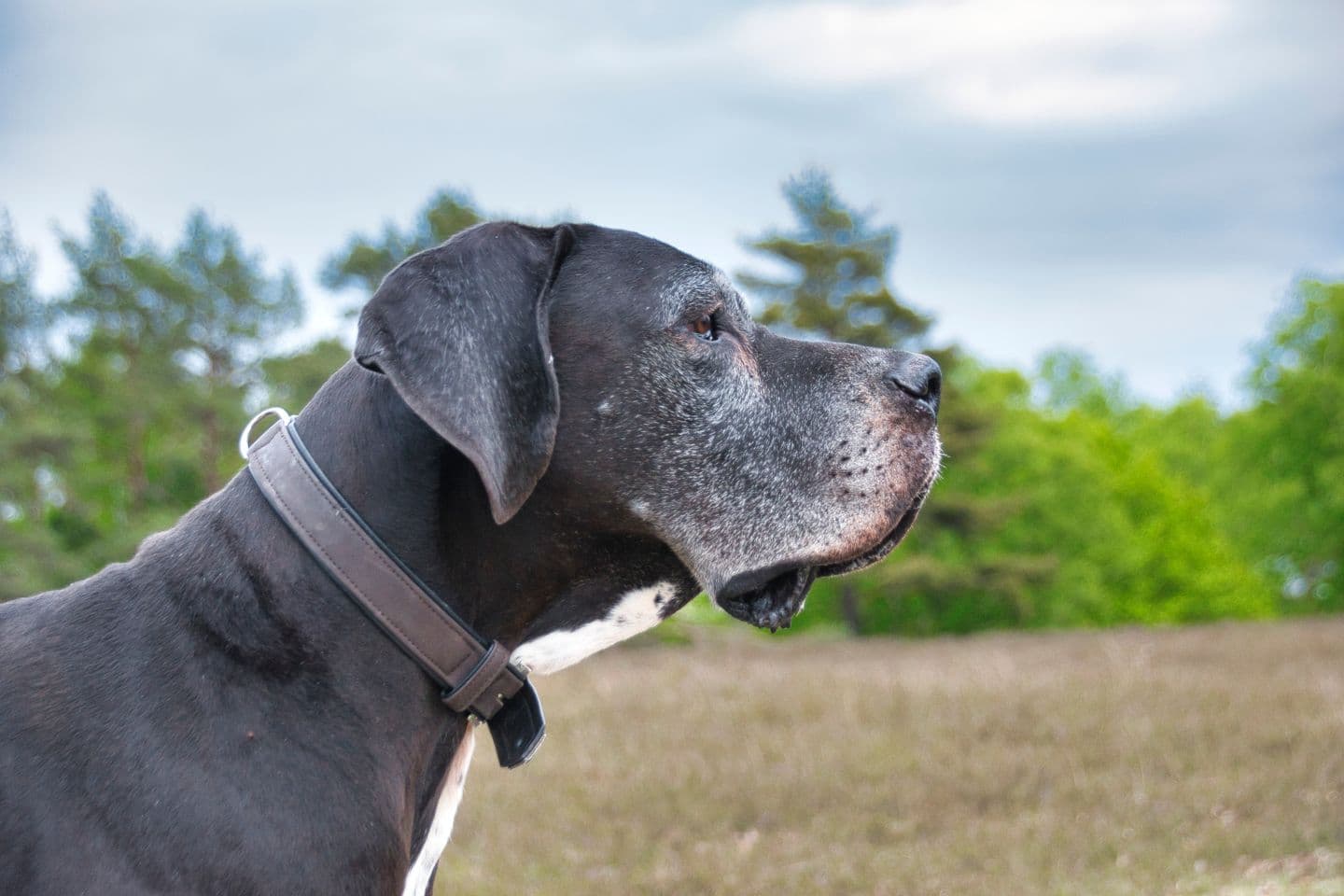
The Great Dane holds the record for tallest dog breed in the world, with some individuals standing well over a metre at the shoulder, yet the breed's temperament is almost comically at odds with its size. Often described as a gentle giant, the Great Dane is typically calm, affectionate, and inclined to treat itself as a lapdog regardless of how much actual lap is available.
Temperament
Calm and even-tempered indoors, especially once past the boisterous puppy stage.
Deeply affectionate, often leaning its body weight against family members as a form of physical closeness.
Patient with children, though its sheer size means supervision matters, since an enthusiastic tail wag can knock a small child over without any intent to harm.
Non-aggressive by nature, though its scale alone makes it a natural deterrent for anyone considering an unwelcome visit.
Size and space
Males typically stand 30 to 32 inches at the shoulder and weigh 120 to 200 pounds, with females somewhat smaller. Despite that scale, Great Danes are surprisingly well suited to apartment living by breed standards, since they are a low energy breed as adults, content with 30 to 45 minutes of daily exercise rather than the vigorous activity many similarly sized breeds need. In India specifically, the breed's size still rules out most compact urban apartments in practice, and it tends to suit homes with more room to stretch out and turn around comfortably, even if a large yard is not strictly essential.
Heat tolerance
The Great Dane's short, smooth coat is a genuine advantage in Indian conditions compared with double coated giant breeds, and several Indian breed guides include it among the more climate-workable large dogs, provided it has shaded, cool indoor space to retreat to during peak heat. This is one of the more forgiving giant breeds on this front, though its size still means more water, more shade and more careful monitoring than a smaller dog would need.
Health
Great Danes are prone to bloat, a life-threatening emergency in deep-chested breeds, which makes smaller, more frequent meals and avoiding vigorous activity right after eating genuinely important rather than optional advice. The risk is not small: some studies put a Great Dane's lifetime risk of bloat as high as 40 percent, and it is the leading cause of death in the breed. Warning signs include a visibly swollen or distended abdomen, unproductive retching or dry heaving, restlessness and an inability to settle, and excessive drooling. Bloat can turn fatal within a matter of hours, so any dog showing these signs needs emergency veterinary care immediately, not a wait-and-see approach. Hip dysplasia and heart conditions, including dilated cardiomyopathy, are also worth screening for in breeding lines. Careful nutrition during the puppy growth phase matters more for this breed than almost any other, since overly rapid bone growth in a giant breed puppy raises the risk of joint problems later in life.
For an Indian household with enough indoor space for a very large dog to stretch out, and realistic expectations about feeding and veterinary costs, the Great Dane offers something unusual: genuine size, without the high energy or intense grooming demands that come with many other giant breeds.
Tags: Great Dane, giant dog breeds, gentle giant dogs, dog breeds India
Beyond the familiar Great Dane and Saint Bernard, a number of large, calm breeds carry the same gentle-giant temperament without quite the same name recognition. Most remain genuinely rare in India, b
A once-bouncy dog that suddenly seems flat, uninterested in walks, and withdrawn from the family is unsettling to watch, and the question that naturally follows is whether dogs can actually feel somet
A healthy dog isn't just a contented one; they're more playful, more energetic and more emotionally settled. As their owner, you're the biggest factor in how well your dog thrives, day in and day out.