An overweight puppy is a less common concern than an overweight adult dog, but it does happen, particularly with free feeding, overly generous treating, or a puppy naturally food-motivated during the
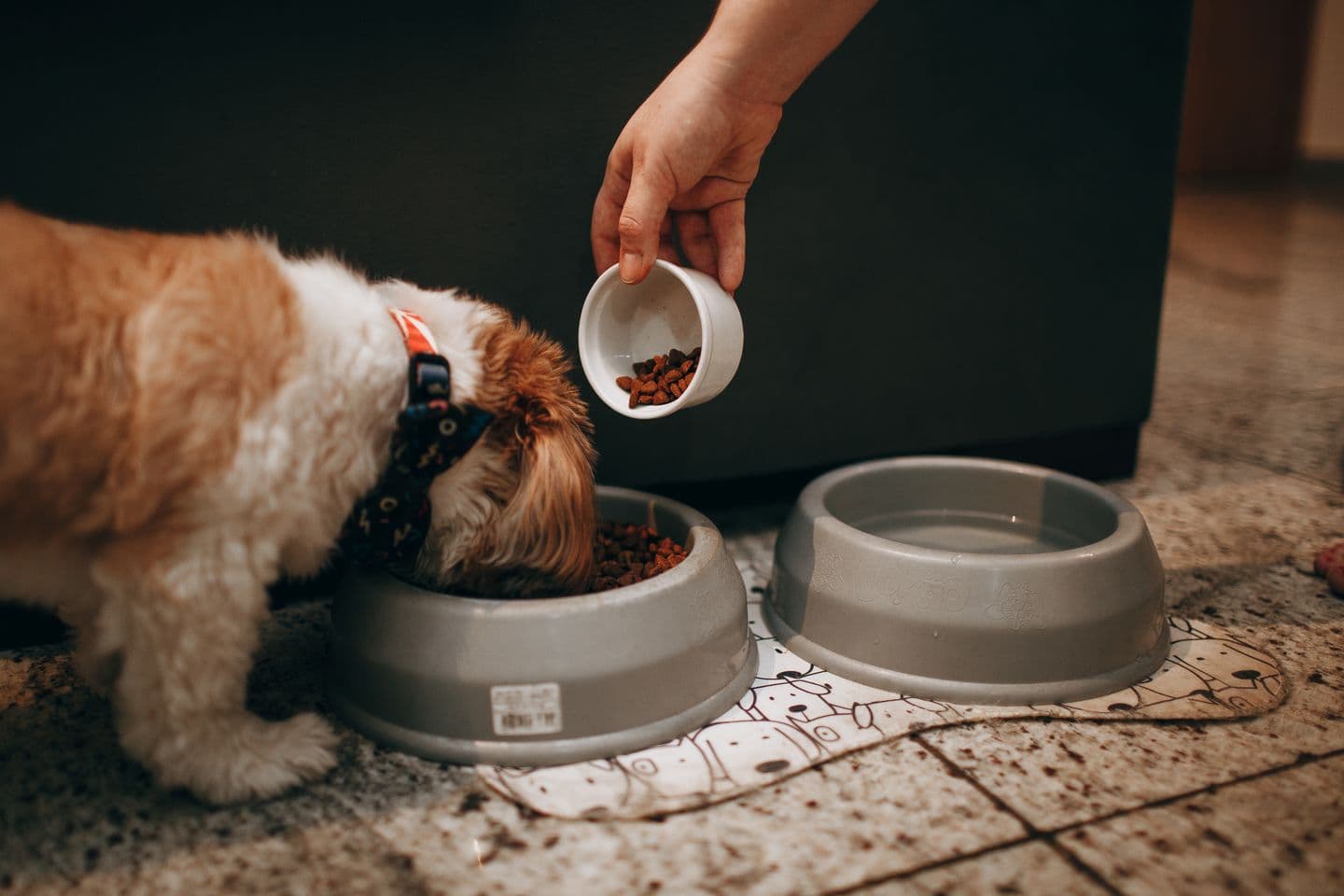
An overweight puppy is a less common concern than an overweight adult dog, but it does happen, particularly with free feeding, overly generous treating, or a puppy naturally food-motivated during the high-growth months. It needs a careful approach, since puppies still need enough nutrition to support healthy development.
Why puppies need a different approach than adults
A strict calorie-cutting weight loss plan appropriate for an overweight adult dog is not appropriate for a puppy, since puppies need adequate protein, calcium, and calories to support bone and organ development. The goal with an overweight puppy is usually to correct the growth curve, not to induce rapid weight loss, and this distinction is important enough that it should involve a vet rather than independent calorie-cutting. Excess weight during the growth period is also a known risk factor for hip dysplasia and other developmental joint problems even in puppies with no particular genetic predisposition, since the extra load on immature joints during the fastest-growing months can affect how they develop, which is a separate concern from the longer-term joint stress that excess weight causes in adult dogs.
Practical steps
Get an accurate weight and body condition check from a vet, who can compare the puppy's growth curve against breed-appropriate expectations
Switch from free feeding to a measured, scheduled feeding routine if not already doing so
Weigh food with a kitchen scale rather than eyeballing portions, since puppy feeding charts are calibrated to specific gram amounts
Cut back on treats specifically, since treats are often the uncounted calories behind excess weight; use a portion of the puppy's regular kibble as training rewards instead of extra treats
Increase appropriate exercise and play gradually, being mindful that very young, large-breed puppies should avoid high-impact repetitive exercise like long runs, which can stress developing joints regardless of weight
What to avoid
Do not switch an overweight puppy to an adult maintenance formula as a way to cut calories; this removes nutrients still needed for growth rather than addressing the actual portion or treat problem. Do not restrict food drastically without professional guidance, since under-fueling a growing puppy carries its own real risks. A vet-guided, moderate adjustment to portions and treats, combined with consistent monitoring, is the safer route than an aggressive diet change.
Using a growth chart to catch drift early
Rather than waiting until an overweight puppy is visually obvious, a vet can plot a puppy's weight over successive visits against a breed-appropriate growth curve, which makes it possible to spot the trend heading in the wrong direction well before body condition scoring alone would flag it. This is particularly useful for breeds with a wide adult size range, where a single weight reading in isolation says little without a curve to compare it against. Bringing a puppy in for a quick weight check between full checkups, many clinics allow this without charge, is a low-effort way to catch an early trend rather than only reassessing at the next scheduled vaccination visit.
Beyond the familiar Great Dane and Saint Bernard, a number of large, calm breeds carry the same gentle-giant temperament without quite the same name recognition. Most remain genuinely rare in India, b
A once-bouncy dog that suddenly seems flat, uninterested in walks, and withdrawn from the family is unsettling to watch, and the question that naturally follows is whether dogs can actually feel somet
A healthy dog isn't just a contented one; they're more playful, more energetic and more emotionally settled. As their owner, you're the biggest factor in how well your dog thrives, day in and day out.