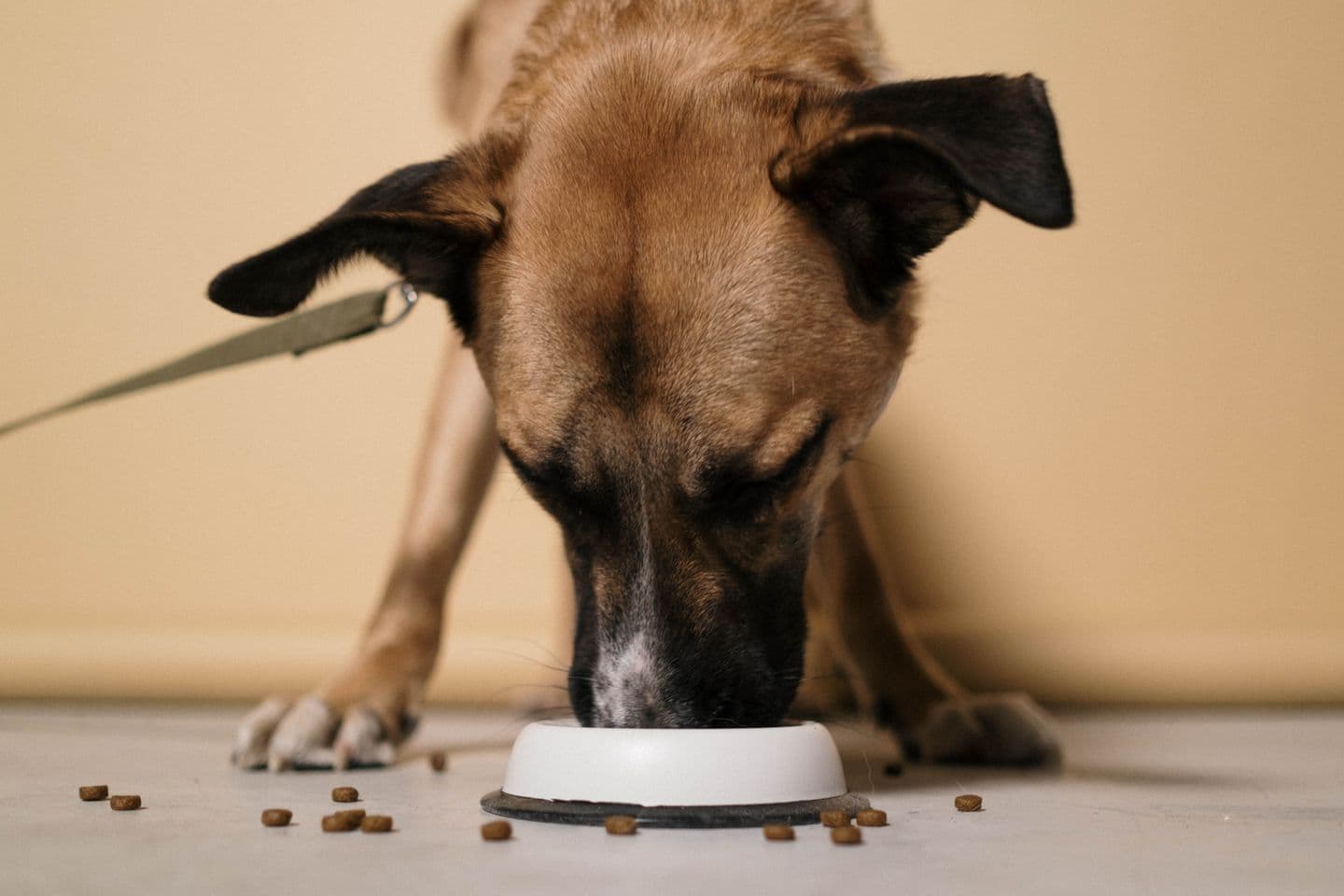
Is Wet Food Good for Dogs? A Look at the Pros and Cons
Wet food is a nutritionally sound choice for dogs, and the decision between wet and dry usually comes down to a dog's individual needs, an owner's budget and convenience, and practical storage conside
Wet food is a nutritionally sound choice for dogs, and the decision between wet and dry usually comes down to a dog's individual needs, an owner's budget and convenience, and practical storage considerations rather than one being objectively healthier than the other.
Advantages of wet food
Wet food's high moisture content, typically 70 to 80 percent, supports hydration, which can matter for dogs that do not drink enough water on their own or for those managing certain kidney or urinary conditions where a vet has specifically recommended increased moisture intake. It is generally more palatable, which helps with fussy eaters, ageing dogs with a reduced sense of smell, or dogs recovering from illness who need encouragement to eat. The softer texture is also easier for dogs with dental problems or missing teeth to manage.
Disadvantages of wet food
Wet food is more expensive per calorie than dry food in most cases, and it spoils quickly once opened, needing refrigeration and use within two to three days, which is a bigger practical concern in Indian heat than in cooler climates. It does not offer the same mild abrasive chewing action some dry kibble provides for dental health, though neither wet nor dry food is a substitute for proper dental care through brushing or dental chews. Wet food is also heavier and less convenient to store and transport in bulk compared to a bag of kibble. Canned wet food has also faced some scrutiny over BPA, a chemical historically used in some can linings; many manufacturers have moved to BPA-free linings, and it is a reasonable question to ask a brand about if this is a specific concern, though it is not considered a reason to avoid wet food broadly.
Making the choice
Many owners use a mix, dry food as the base with a wet food topper for palatability and variety, or wet food for a portion of meals and dry for the rest. Whichever combination is chosen, the two should add up to appropriate total calories rather than being treated as separate full portions, and a vet can help calculate the right balance if a dog has specific health needs that make one form more suitable than the other.
Pouches versus cans
Wet food sold in resealable pouches is functionally similar to canned wet food nutritionally, with the main differences being practical rather than health-related: pouches are generally lighter, easier to store in bulk, and simpler to reseal for a partial portion without needing a separate container, while cans tend to be sturdier for long-term pantry storage and are sometimes more cost-effective per calorie. Neither format is inherently healthier than the other, so the choice comes down to storage space, budget, and whichever an individual dog seems to prefer, rather than any meaningful nutritional distinction between the two.
Beyond the familiar Great Dane and Saint Bernard, a number of large, calm breeds carry the same gentle-giant temperament without quite the same name recognition. Most remain genuinely rare in India, b
A once-bouncy dog that suddenly seems flat, uninterested in walks, and withdrawn from the family is unsettling to watch, and the question that naturally follows is whether dogs can actually feel somet
A healthy dog isn't just a contented one; they're more playful, more energetic and more emotionally settled. As their owner, you're the biggest factor in how well your dog thrives, day in and day out.