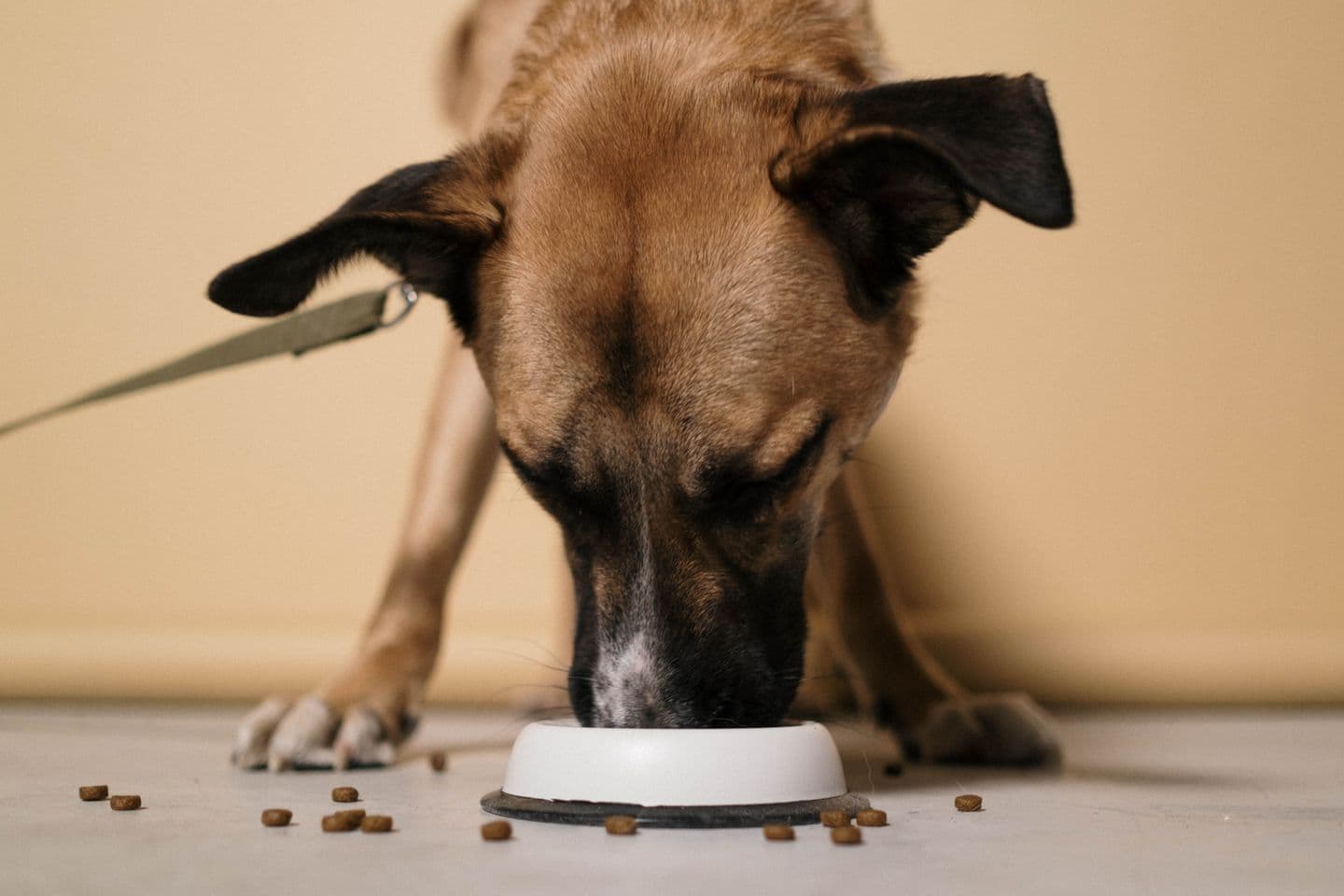
Bringing a puppy home is exciting, but it can also raise more questions than answers. One of the earliest is simply: what should I actually feed him, and what counts as the best puppy food?
Bringing a puppy home is exciting, but it can also raise more questions than answers. One of the earliest is simply: what should I actually feed him, and what counts as the best puppy food?
Establishing what to feed
Keep it simple, and set up a routine straight away. A consistent schedule for eating, sleeping and toileting makes life easier for everyone as time goes on.
Puppies should have three meals a day, breakfast, lunch and dinner. Choose times that fit naturally around your own schedule, and aim to have the last meal no later than 6pm, giving your puppy time to digest and toilet before the household goes to bed.
Choosing the right food
The sheer range of puppy food available can be overwhelming, so it’s worth asking an expert. Puppy food comes in wet and dry forms, though most vets tend to recommend dry food.
One of your first outings with a new puppy should be a trip to the vet, who can advise on the most suitable food. Large breeds, for instance, need food formulated for their substantial growth, helping avoid later joint problems.
Nutritionally speaking, “puppyhood” spans from birth until somewhere between one and two years old, depending on breed. Correct feeding during this period supports strong bones and teeth, muscle development and brain growth, all fuelled by the extra nutrients rapid growth demands.
Your vet will weigh your puppy, run a full physical check, and recommend a suitable food from there. In the first week, factor in whatever food the breeder or shelter was already using. Blend the old food with the new gradually over that week, moving from entirely old food to entirely new as the days pass, to give the digestive system time to adjust and avoid an upset stomach.
Large breeds such as Great Danes and St Bernards won’t reach full adult size until closer to two years old, while smaller breeds mature faster. Because larger breeds are more prone to skeletal and joint issues, food designed for slower, controlled growth is important, giving the body time to develop at the right pace.
How much to feed
Puppies should eat three times daily up to six months old, then twice daily after that. The feeding guide on the food packet is a reasonable starting point, but your vet will help refine the exact amount at each stage of growth, adjusting advice at check-ups along the way.
Weigh your puppy weekly for the first few months, since growth spurts can be sudden and food quantities need to keep pace. Water should always be available, both during and after meals.
How much water is needed
A rough guide is 60ml of water per pound of bodyweight daily, so once your vet has weighed your puppy, you can work out an approximate figure. In practice, puppies tend to drink roughly what they need, though hot weather or exercise and excitement can increase that need, so water should be accessible throughout the day regardless.
Water is arguably the single most important nutrient. Growing puppies need more water relative to their weight than adult dogs, since it supports every bodily function during this critical developmental period.
Treats
Healthy options like small pieces of carrot give a puppy something satisfying to chew, easing teething discomfort and later helping keep teeth clean. During training, small pieces of chicken work well as motivation, luring a puppy into position and reinforcing good behaviour. Scent alone is powerful motivation too, a puppy’s sense of smell is roughly 100,000 times more acute than ours, so only small amounts are needed as a reward.
Keep treat portions in mind as part of the daily food allowance, and subtract accordingly. Reserving a particular treat exclusively for training keeps it feeling special and effective.
As with most things, balance matters. A solid feeding routine built around a nutritious dry food, plenty of water, and the occasional treat sets a puppy up for a healthy, happy life.
Beyond the familiar Great Dane and Saint Bernard, a number of large, calm breeds carry the same gentle-giant temperament without quite the same name recognition. Most remain genuinely rare in India, b
A once-bouncy dog that suddenly seems flat, uninterested in walks, and withdrawn from the family is unsettling to watch, and the question that naturally follows is whether dogs can actually feel somet
A healthy dog isn't just a contented one; they're more playful, more energetic and more emotionally settled. As their owner, you're the biggest factor in how well your dog thrives, day in and day out.