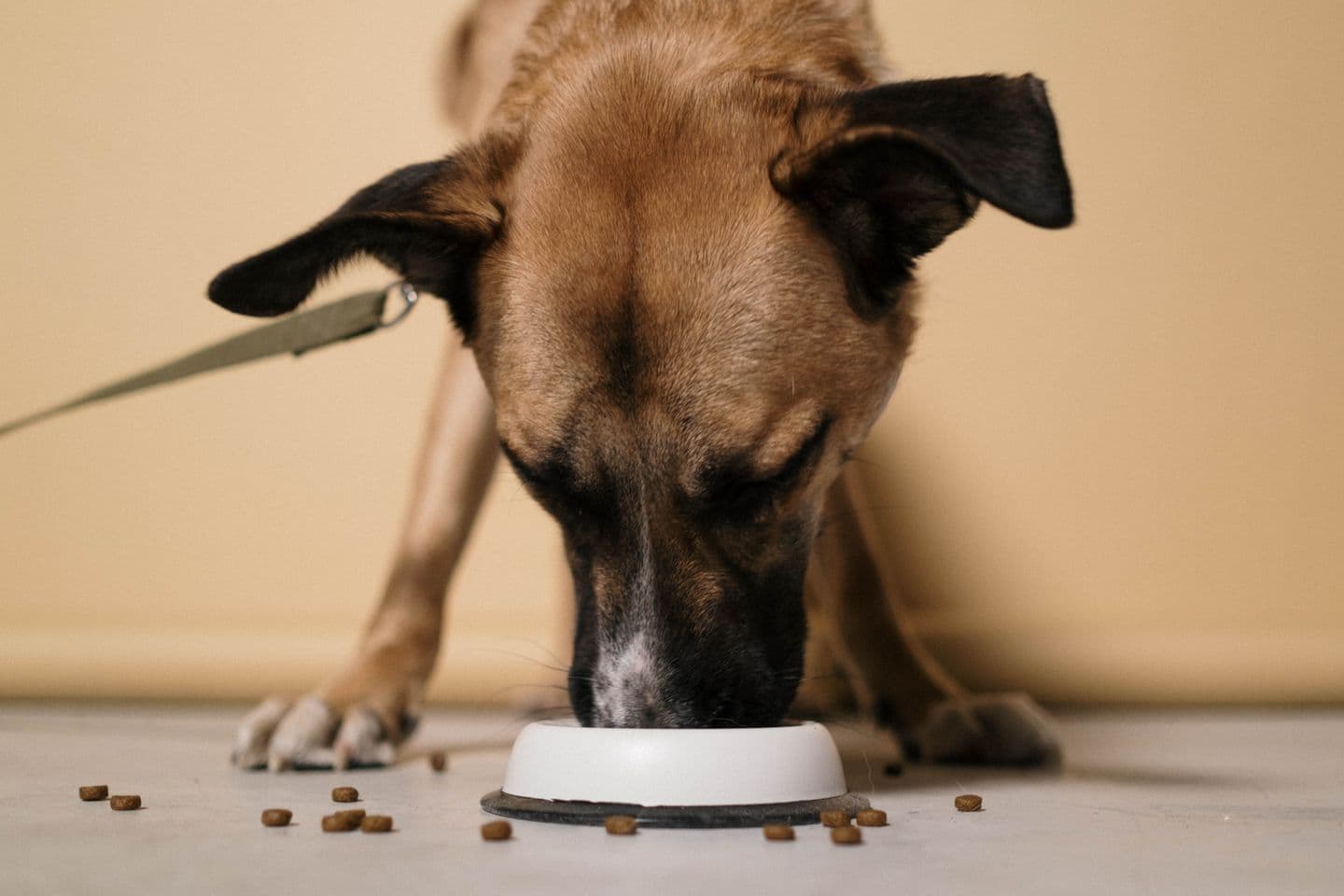
Raw fish is a real risk for dogs, and while raw feeding advocates sometimes include it in homemade raw diets, most vets recommend cooking fish before giving it to a dog rather than serving it raw.
Raw fish is a real risk for dogs, and while raw feeding advocates sometimes include it in homemade raw diets, most vets recommend cooking fish before giving it to a dog rather than serving it raw.
The parasite and bacteria risk
Raw fish can carry parasites and bacteria that cooking reliably destroys. Raw salmon specifically carries a risk of salmon poisoning disease from a parasite-borne bacterium, most relevant to wild salmon from the Pacific Northwest region of North America but a reason for general caution with raw salmon regardless of source. Other raw fish can carry Salmonella, Listeria, and various parasites, with the risk varying by species and how the fish was handled and stored before reaching the plate.
The thiaminase problem
A separate concern applies to certain raw fish, particularly some raw freshwater fish, which contain an enzyme called thiaminase that breaks down thiamine, vitamin B1, in a dog's body. A diet that regularly includes these raw fish species without adequate thiamine intake elsewhere can lead to a thiamine deficiency over time, which affects the nervous system and can cause serious neurological symptoms if left unaddressed. Cooking deactivates thiaminase, which removes this risk entirely.
If raw fish is still preferred
Owners committed to raw feeding who want to include raw fish should freeze it first for a period sufficient to kill many parasites, a method used in the sushi industry, source it from a reputable, fresh supplier, and rotate fish species to avoid relying heavily on any one thiaminase-containing type. This reduces but does not eliminate risk entirely. For most households, cooked fish, plain, boneless, and unseasoned, offers the same nutritional benefit with meaningfully less risk, and is the simpler, safer default recommendation.
Sushi-grade fish is not automatically dog-safe
Sushi-grade fish, prepared and handled to standards meant to reduce parasite risk for human consumption, still carries more risk for a dog than the same fish cooked, since dogs are just as susceptible to the bacteria and thiaminase concerns described earlier regardless of how the fish was graded for human sushi preparation. The freezing protocols used in commercial sushi production do reduce certain parasite risks, but they are calibrated around human tolerance and handling practices, not canine ones. Cooking remains the more reliable and simpler recommendation even for fish that would otherwise be considered high quality for raw human consumption.
Beyond the familiar Great Dane and Saint Bernard, a number of large, calm breeds carry the same gentle-giant temperament without quite the same name recognition. Most remain genuinely rare in India, b
A once-bouncy dog that suddenly seems flat, uninterested in walks, and withdrawn from the family is unsettling to watch, and the question that naturally follows is whether dogs can actually feel somet
A healthy dog isn't just a contented one; they're more playful, more energetic and more emotionally settled. As their owner, you're the biggest factor in how well your dog thrives, day in and day out.