Few dog behaviours provoke quite as much disgust as coprophagia, the technical name for eating faeces, whether the dog's own, another dog's, or another animal's. It is unpleasant to witness, but it is
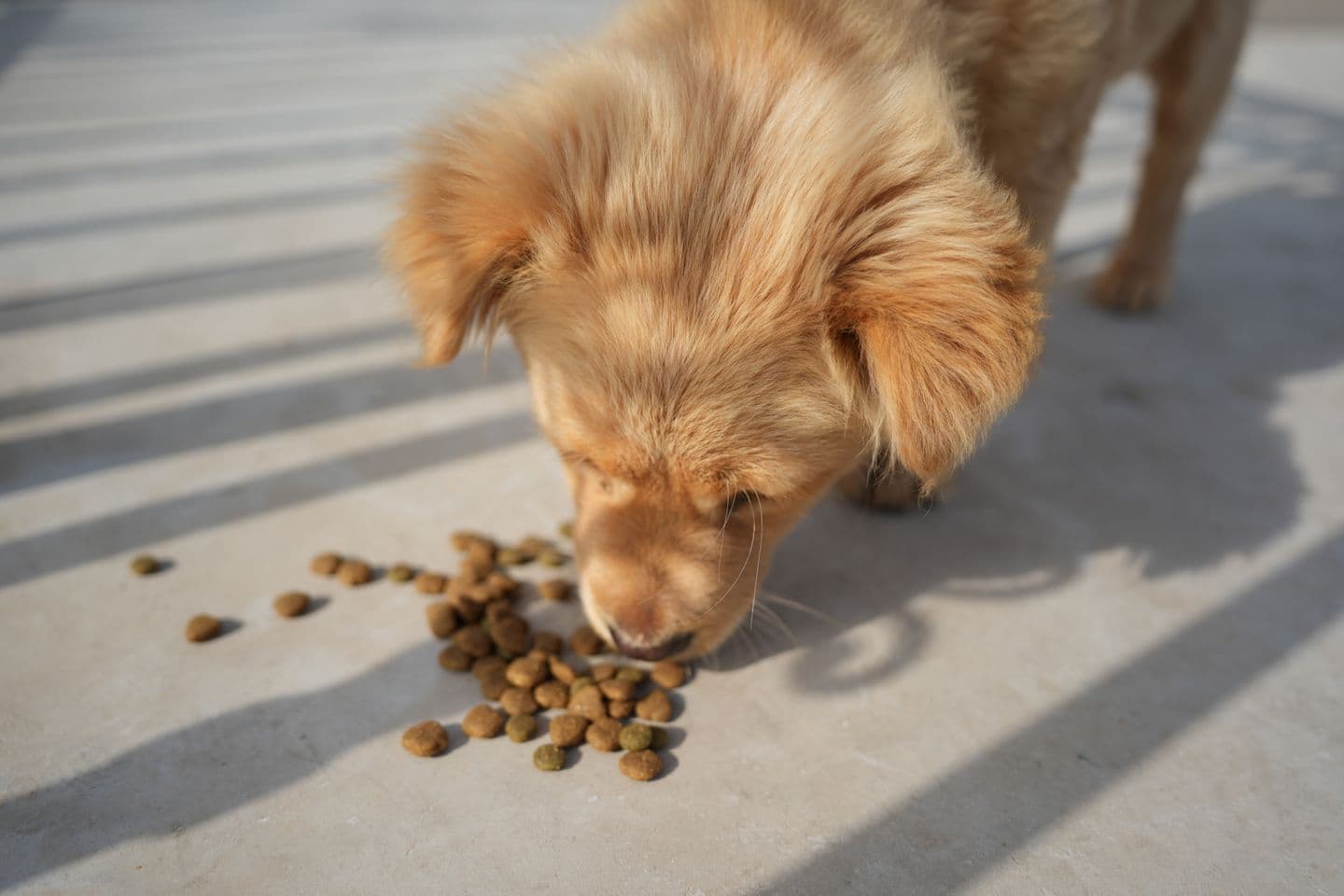
Few dog behaviours provoke quite as much disgust as coprophagia, the technical name for eating faeces, whether the dog's own, another dog's, or another animal's. It is unpleasant to witness, but it is also genuinely common, and understanding the likely cause makes it far easier to address calmly rather than with panic.
Where the habit often starts
Puppies frequently pick this up by imitation: a mother dog routinely cleans up after her puppies in the first few weeks of life, and some puppies simply copy what they've observed. Plain curiosity plays a role too, since puppies investigate almost everything with their mouths regardless of how sensible the object is. In adult dogs, the behaviour can be habitual, left over from puppyhood, or driven by boredom and anxiety, functioning as a stress-relief behaviour similar to some forms of excessive licking. Attention-seeking is also a factor for some dogs, who quickly learn that a dramatic reaction from their owner, however negative, still counts as attention.
When it points to something medical
A genuine nutrient deficiency, malabsorption from a gastrointestinal condition, intestinal parasites, or a disease that increases appetite, such as diabetes or thyroid problems, can all drive the behaviour, particularly if it starts suddenly in an adult dog that has never done it before. Dogs fed a poorly balanced home-cooked diet without professional guidance are somewhat more prone to nutrient-related coprophagia than dogs on a complete, properly formulated diet, which is worth keeping in mind for households that cook for their dog rather than using commercial food.
What actually helps
Prompt clean-up in the garden or on walks removes the opportunity before it becomes a habit, and this is often the single most effective management step. Teaching a solid "leave it" cue gives you a way to intervene in the moment without a chase. Addressing boredom and stress directly, through more exercise, mental enrichment, and a predictable routine, helps where anxiety seems to be the underlying driver. If the behaviour appears suddenly, is paired with weight loss, diarrhoea, or a noticeably increased appetite, or simply doesn't respond to consistent management, a vet visit is the right next step to rule out an underlying medical cause.
A note on eating other animals' droppings
Dogs with access to community cats, cattle, or other animals commonly encountered in Indian neighbourhoods and gardens sometimes show a particular liking for these droppings rather than their own species' waste, and this carries its own infection risk, since faeces from an unfamiliar or unvaccinated animal can carry parasites and pathogens the dog's own system hasn't encountered before. Keeping a dog on a leash in areas where other animals regularly pass through, and staying current on deworming and vaccination schedules, both reduce the health risk while the underlying behaviour is being addressed.
Beyond the familiar Great Dane and Saint Bernard, a number of large, calm breeds carry the same gentle-giant temperament without quite the same name recognition. Most remain genuinely rare in India, b
A once-bouncy dog that suddenly seems flat, uninterested in walks, and withdrawn from the family is unsettling to watch, and the question that naturally follows is whether dogs can actually feel somet
A healthy dog isn't just a contented one; they're more playful, more energetic and more emotionally settled. As their owner, you're the biggest factor in how well your dog thrives, day in and day out.