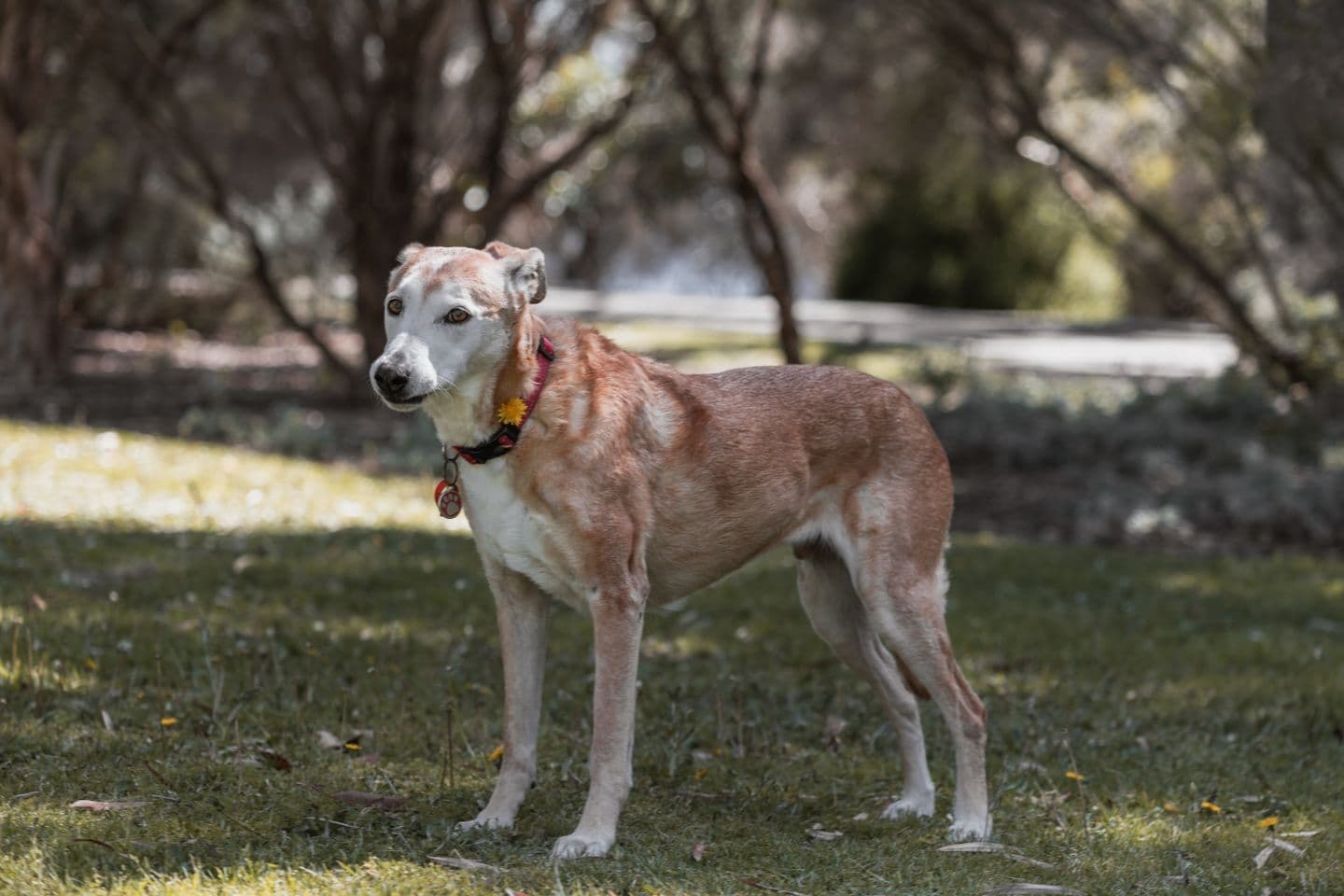
Senior dogs are consistently the last to be adopted from shelters, both in India and globally. Widely cited shelter figures put senior adoption rates at roughly a quarter of the rate for puppies, larg
Senior dogs are consistently the last to be adopted from shelters, both in India and globally. Widely cited shelter figures put senior adoption rates at roughly a quarter of the rate for puppies, largely because adopters gravitate towards younger, pedigree animals. This is a genuine loss, because senior dogs make wonderful, low-drama companions for the right home.
Why consider a senior dog
Most are already housetrained and know basic manners
Their temperament is fully formed, so what you meet is what you get
They are typically calmer, needing shorter walks and less intensive supervision
Adoption fees are often lower, and some shelters cover initial vaccinations as part of the process
You are giving a dog, who is often overlooked through no fault of their own, a second chance
What to expect health wise
Be prepared for more frequent vet visits and the possibility of managing an ongoing condition such as arthritis, dental disease, or early kidney changes. Ask the shelter for any available medical history, and budget for a thorough veterinary check-up soon after adoption, since shelter dogs do not always arrive with a full history.
The adoption process in India
Shelters and rescue groups such as Blue Cross chapters and CUPA, alongside numerous independent rescues, list senior dogs for adoption across most Indian cities. The process generally involves an application, a meeting with the dog, sometimes a home visit, and an adoption fee that typically covers vaccination and basic veterinary work. Many of India's senior shelter dogs are indies, and they carry the same capacity for loyalty and affection as any pedigree breed, often with fewer of the health issues associated with certain purebred lines.
Settling a senior dog into your home
Give them time. A senior dog may take a few weeks to settle and trust a new environment
Keep the first few days calm and predictable rather than introducing them to everyone at once
Set up a comfortable, quiet space that is entirely theirs
Book a vet visit within the first couple of weeks to establish a baseline health picture
Is a senior dog right for you
If you want steady companionship without the demands of the puppy years, and you are prepared for the possibility of higher veterinary costs, a senior dog can be an extraordinarily rewarding choice. The bond often forms faster than people expect, built on the simple fact that this dog finally has somewhere safe to be.
Preparing your household beforehand
A little preparation before the dog arrives makes the transition smoother for everyone. Set up a quiet, low traffic area with bedding, water and easy floor access before bringing your new dog home, rather than making these decisions on the spot. If you have children, talk to them beforehand about moving calmly around an older dog who may startle more easily or need more rest than a younger pet. If you already have other pets, plan a slow, supervised introduction rather than a first meeting at the door.
Questions worth asking the shelter
What is known about the dog's medical history, including any current medication
How has the dog behaved around children, other dogs, or strangers during their time at the shelter
Is the dog currently on any special diet or under ongoing veterinary care
What is the estimated age, since many senior shelter dogs come without documented birth records
Good rescue organisations welcome these questions and will be upfront about gaps in a dog's history rather than guessing to make the dog seem easier to place. That honesty is worth seeking out.
Beyond the familiar Great Dane and Saint Bernard, a number of large, calm breeds carry the same gentle-giant temperament without quite the same name recognition. Most remain genuinely rare in India, b
A once-bouncy dog that suddenly seems flat, uninterested in walks, and withdrawn from the family is unsettling to watch, and the question that naturally follows is whether dogs can actually feel somet
A healthy dog isn't just a contented one; they're more playful, more energetic and more emotionally settled. As their owner, you're the biggest factor in how well your dog thrives, day in and day out.