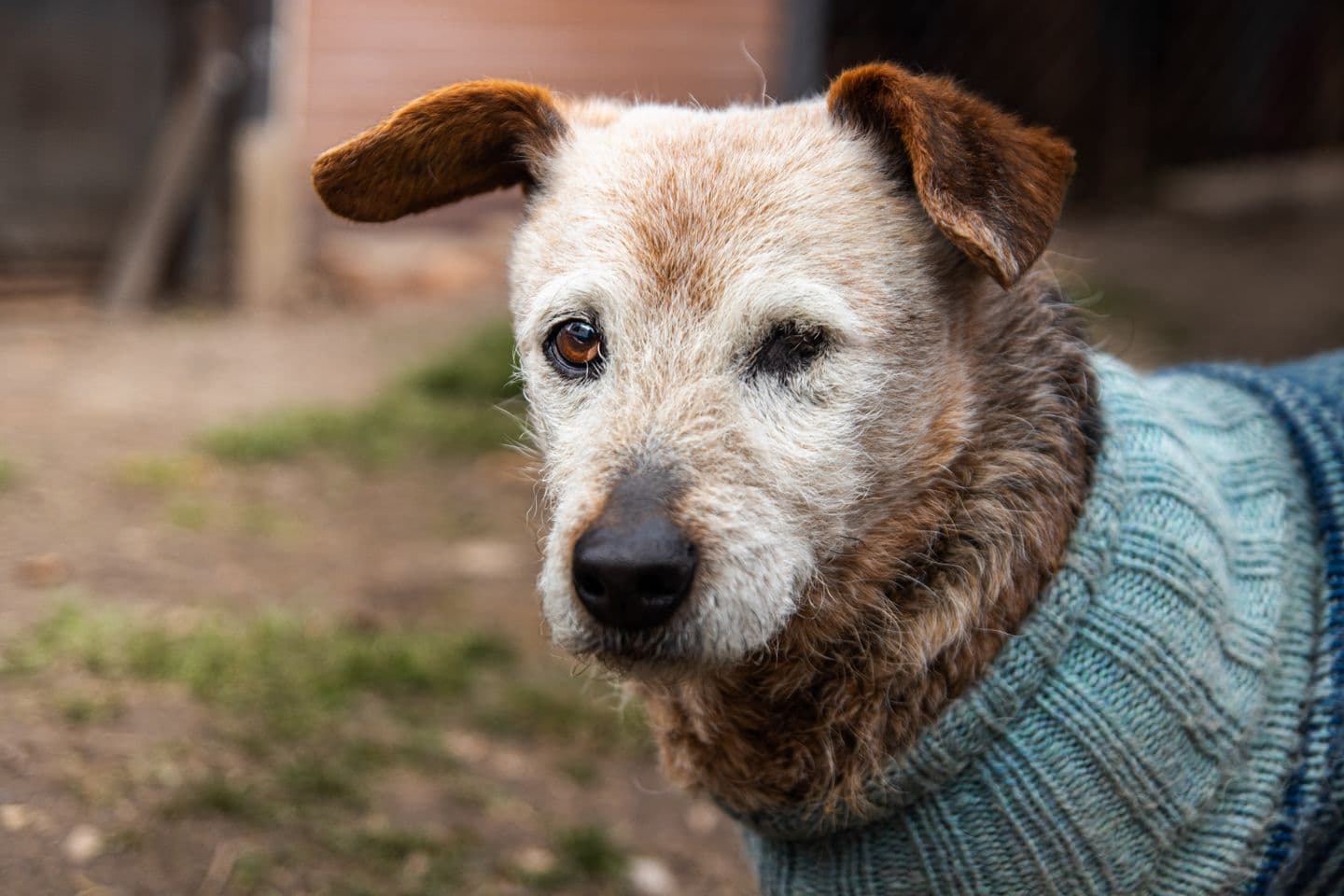
Growing Old Gracefully: A Guide to Caring for Senior Dogs
There is a particular kind of love reserved for an old dog, the one who has slowed down but still waits by the door. Senior years bring real changes, and a few adjustments to routine can make this sta
There is a particular kind of love reserved for an old dog, the one who has slowed down but still waits by the door. Senior years bring real changes, and a few adjustments to routine can make this stage comfortable rather than difficult, both for your dog and for you.
Recognising the signs of ageing
Most dogs are considered senior from around seven years old, though larger breeds age faster and may reach this stage closer to five or six. Watch for slower movement, hesitation before stairs or jumping onto furniture, greying around the muzzle, cloudier eyes, weight changes in either direction, and occasional confusion or disrupted sleep patterns. None of these need to be alarming on their own, but together they signal it is time to adjust your dog's routine and increase vet visits.
Nutrition for the later years
Senior dogs generally need fewer calories, since activity levels drop, but the same or greater amounts of quality protein to maintain muscle mass. Look for food that supports joint health and is easy to digest. Fresh water should always be within easy reach, and smaller, more frequent meals can help dogs who have lost some appetite or have dental discomfort.
Managing joint pain and mobility
Stiffness and slower movement are often signs of arthritis, one of the most common conditions in older dogs. A vet can recommend appropriate pain management and joint support, which should never be self-prescribed with human painkillers. At home, a soft, supportive bed, a ramp instead of stairs where possible, and short, gentle walks rather than long strenuous ones all help. In much of India, the heat of the day is hard on older joints, so early morning or evening walks are usually more comfortable.
Cognitive changes and keeping routine steady
Some senior dogs show signs similar to confusion or disorientation, sometimes called canine cognitive dysfunction, including pacing at night, forgetting familiar commands, or seeming lost in familiar spaces. Keeping furniture and feeding times consistent, along with gentle mental stimulation like sniffing games, can help steady an ageing mind.
More frequent checkups matter
Twice-yearly vet visits become important for senior dogs, allowing earlier detection of common age-related conditions such as kidney disease, heart changes and dental disease. Routine bloodwork, even when your dog seems perfectly fine, often catches problems well before symptoms appear.
Caring for a senior dog is less about doing more, and more about doing the right things consistently, gently adjusting as your dog's needs change, and giving these last years the same attention you gave the puppy years.
Adjusting the home for an ageing dog
Small physical changes around the house often matter as much as anything discussed at the vet. Non-slip mats on tiled or marble floors help dogs with weaker joints avoid slips that can cause real injury. Raised food and water bowls reduce strain on the neck and shoulders for dogs with arthritis. Night lights near stairs or level changes help dogs whose eyesight has started to fade navigate confidently after dark. None of these changes are expensive or complicated, but together they meaningfully reduce the number of small accidents that can otherwise chip away at an older dog's confidence and mobility.
Yoast SEO Metadata
Tags: senior dog care, ageing dogs, dog arthritis, senior dog nutrition India
Beyond the familiar Great Dane and Saint Bernard, a number of large, calm breeds carry the same gentle-giant temperament without quite the same name recognition. Most remain genuinely rare in India, b
A once-bouncy dog that suddenly seems flat, uninterested in walks, and withdrawn from the family is unsettling to watch, and the question that naturally follows is whether dogs can actually feel somet
A healthy dog isn't just a contented one; they're more playful, more energetic and more emotionally settled. As their owner, you're the biggest factor in how well your dog thrives, day in and day out.