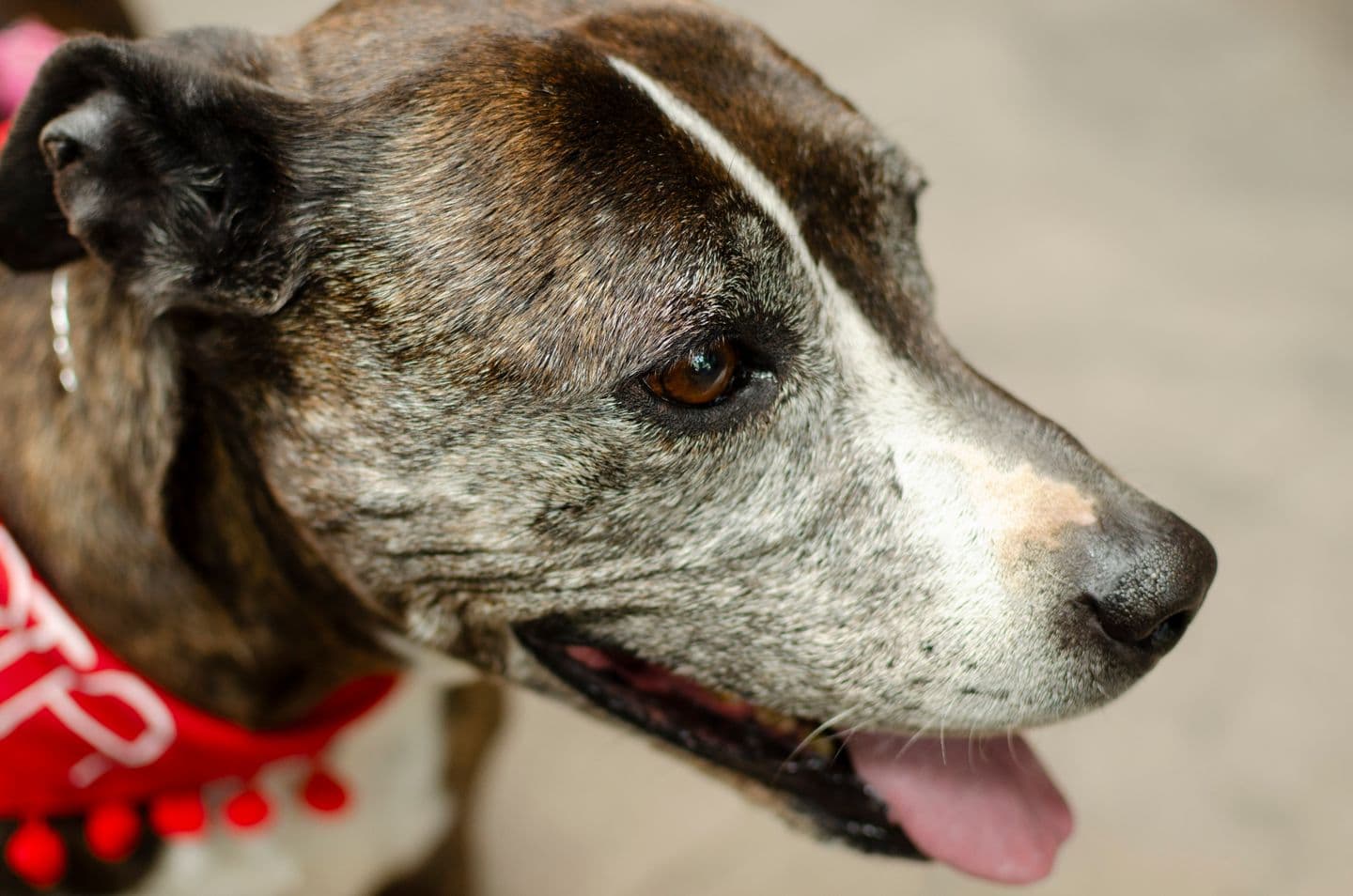
Increased Thirst in Senior Dogs: Causes and Solutions
A sudden increase in how much water your senior dog drinks is often one of the earliest visible signs that something has changed internally. As a rough guide, a healthy dog drinks up to about 100 mill
A sudden increase in how much water your senior dog drinks is often one of the earliest visible signs that something has changed internally. As a rough guide, a healthy dog drinks up to about 100 millilitres of water per kilogram of body weight each day, and consistent intake above that, especially without a clear reason like exercise or heat, is considered polydipsia and is worth paying attention to.
Common Causes in Older Dogs
Kidney disease, where ageing kidneys lose their ability to concentrate urine, leading to more drinking and more frequent urination
Diabetes mellitus, where high blood sugar pulls water out of the body and triggers thirst
Cushing's disease, a hormonal condition common in middle aged and senior dogs that raises cortisol levels
Urinary tract infections
Certain medications, particularly steroids and diuretics
Why It Matters More in India
With summer temperatures regularly crossing 40 degrees Celsius in large parts of the country, it is easy to write off extra drinking as simply the weather. That assumption can delay diagnosis of a genuine medical issue. A useful rule of thumb is to notice whether the increase is gradual and matches the season, or sudden and persistent regardless of temperature. The second pattern deserves a vet visit.
What a Vet Visit Will Involve
Your veterinarian will likely start with a physical examination, blood work, and a urine test to check kidney values, blood sugar, and urine concentration. These tests are usually enough to point towards the underlying cause, after which treatment, whether insulin for diabetes, dietary management for kidney disease, or medication for Cushing's, can begin.
What You Can Do
Keep a rough daily note of how many times you refill the water bowl
Watch for accompanying signs such as weight loss, increased urination, or a bigger appetite
Book routine senior wellness checks every six months rather than waiting for symptoms to appear
Persistent excessive thirst in a senior dog is rarely something that resolves on its own, and catching it early makes a real difference to the outcome.
Keeping a Simple Water Log
A useful trick is to fill your dog's water bowl from a measuring jug each morning for a week and note how much is left by the next fill. This turns a vague impression of drinking more into an actual number your vet can use, and it also makes it far easier to judge whether a treatment plan is working once one begins, since the daily intake should gradually settle back towards a normal range.
If your household has more than one water source, such as a bowl indoors and another on a balcony or terrace, keep track of both, since dogs can spread their drinking across several spots without any single bowl looking dramatically emptier. A rough combined daily total is far more informative for your vet than judging from one bowl alone.
Common Questions
At what age should I start watching for this more closely?
Most dogs are considered senior from around seven years of age, though large breeds tend to age faster and may be classed as senior closer to five or six. Twice yearly check ups from this age onward help catch changes early.
Should I restrict my dog's water if they are drinking a lot?
No. Restricting water can be dangerous, especially if the increased thirst is compensating for fluid loss through a medical condition. Always let your dog drink freely and consult a vet to find the cause instead.
This article is for general awareness and does not replace veterinary advice. If your dog is unwell, consult a veterinarian promptly.
Beyond the familiar Great Dane and Saint Bernard, a number of large, calm breeds carry the same gentle-giant temperament without quite the same name recognition. Most remain genuinely rare in India, b
A once-bouncy dog that suddenly seems flat, uninterested in walks, and withdrawn from the family is unsettling to watch, and the question that naturally follows is whether dogs can actually feel somet
A healthy dog isn't just a contented one; they're more playful, more energetic and more emotionally settled. As their owner, you're the biggest factor in how well your dog thrives, day in and day out.