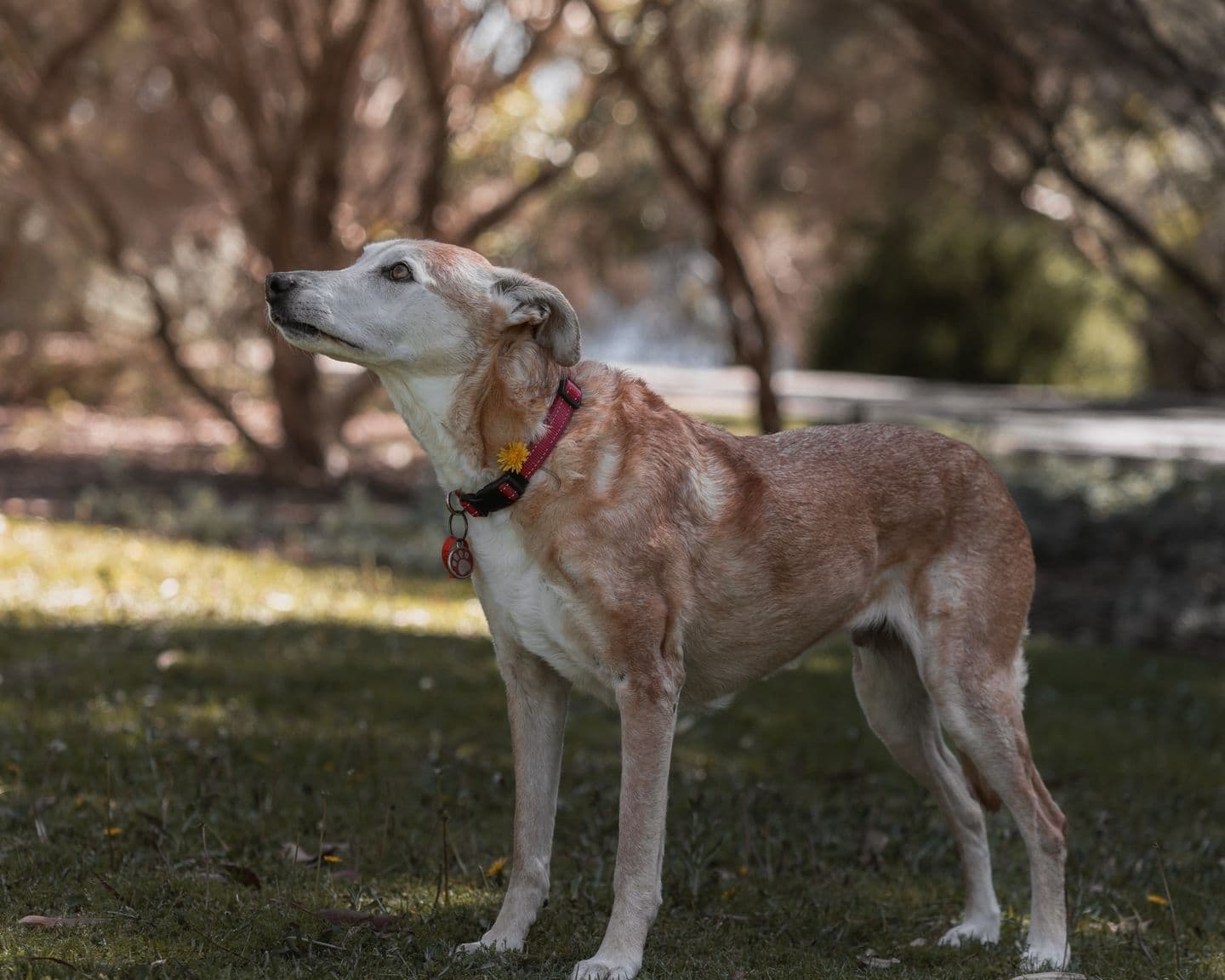
Finding a damp patch on your senior dog's bed can be worrying, but urinary incontinence is a common and manageable condition rather than a sign your dog has forgotten their training. Understanding the
Finding a damp patch on your senior dog's bed can be worrying, but urinary incontinence is a common and manageable condition rather than a sign your dog has forgotten their training. Understanding the difference between incontinence and a behavioural accident is the first step towards helping your dog comfortably.
Incontinence versus accidents
True incontinence is involuntary. Your dog is not choosing to urinate and often is not even aware it has happened, commonly while sleeping or resting. This is different from a dog who is fully aware but unable to reach the door in time, or a dog with cognitive decline who has simply forgotten housetraining.
Common causes
Weakened urethral muscles related to lower oestrogen after spaying, most common in older spayed females
Urinary tract infections
Kidney disease or diabetes, which increase urine volume
Bladder stones or, less commonly, tumours
Arthritis or mobility issues that make it hard to posture or reach the door in time
A vet visit is essential rather than optional here, since the underlying cause determines the treatment. Expect a physical examination, a urine test, and possibly blood work or imaging to rule out stones, infection or tumours.
Treatment options
Many cases respond well to medication that strengthens the muscles controlling urination, sometimes combined with hormone support for spay-related incontinence. Infections are treated with antibiotics. Structural issues occasionally require surgery. Your vet will tailor treatment to the specific cause found during diagnosis.
Managing life at home
Use washable, absorbent bedding to protect furniture and keep your dog's skin dry
Consider doggy diapers for particularly difficult stretches, changed regularly to prevent skin irritation
Offer more frequent bathroom breaks, especially first thing in the morning and last thing at night
Never scold your dog for an accident. It is not a training failure, and punishment only adds stress
With the right diagnosis and a little patience, most senior dogs with incontinence go on to live comfortably for years. A few small adjustments at home go a long way towards their dignity and yours.
Breeds and factors that raise the risk
Certain breeds appear more prone to weakened bladder control as they age, including Dobermans, Old English Sheepdogs, Springer Spaniels and Cocker Spaniels, though any senior dog can be affected. Obesity is another significant risk factor, since extra body weight places additional pressure on the bladder and surrounding muscles. Keeping a senior dog at a healthy weight is one of the simpler, more controllable ways to reduce the likelihood of incontinence developing in the first place.
Protecting the skin
Urine left in contact with skin for extended periods can cause a painful condition called urine scald, particularly around the abdomen, inner thighs and genital area. Check your dog's skin regularly for redness or soreness, change diapers or bedding promptly once soiled, and gently clean and dry the affected area rather than leaving it damp. A barrier cream recommended by your vet can help protect vulnerable skin during periods of frequent leakage.
Beyond the familiar Great Dane and Saint Bernard, a number of large, calm breeds carry the same gentle-giant temperament without quite the same name recognition. Most remain genuinely rare in India, b
A once-bouncy dog that suddenly seems flat, uninterested in walks, and withdrawn from the family is unsettling to watch, and the question that naturally follows is whether dogs can actually feel somet
A healthy dog isn't just a contented one; they're more playful, more energetic and more emotionally settled. As their owner, you're the biggest factor in how well your dog thrives, day in and day out.