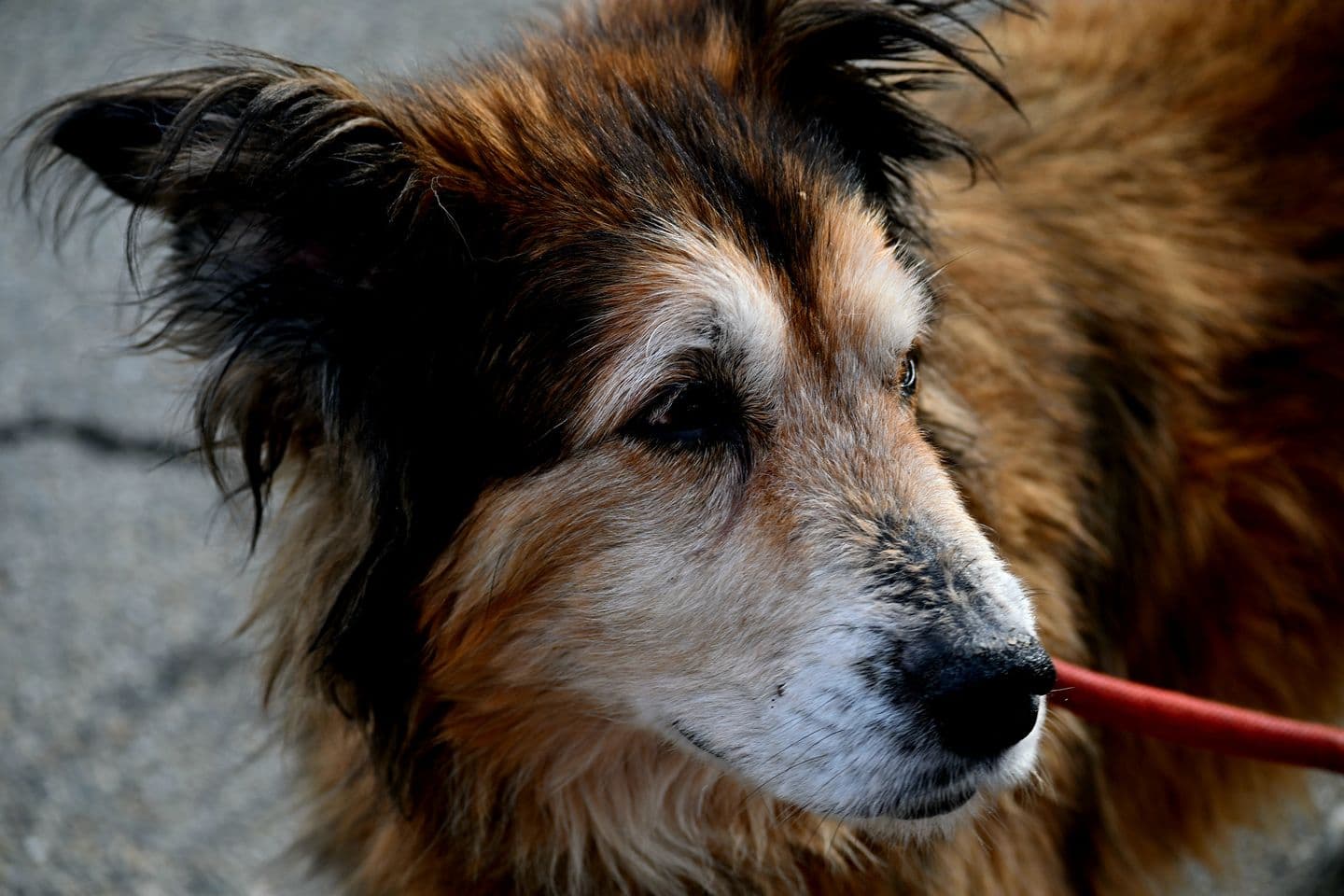
Caring for a senior dog is less about doing more and more about doing things a little differently. Small, consistent adjustments to diet, environment and routine can meaningfully extend both the comfo
Caring for a senior dog is less about doing more and more about doing things a little differently. Small, consistent adjustments to diet, environment and routine can meaningfully extend both the comfort and the length of your dog's golden years.
Step up veterinary visits
Twice yearly check-ups, rather than the once yearly visit common for younger dogs, allow your vet to catch arthritis, dental disease, kidney changes or early tumours while they are still manageable. Routine blood work becomes far more valuable at this stage.
Adjust the diet
Senior dogs generally need fewer calories as their metabolism slows, alongside good quality protein to preserve muscle mass. Ask your vet whether a senior-specific diet, or supplements such as omega 3 fatty acids or glucosamine for joint support, would suit your dog.
Rethink the home
Add a ramp or steps if your dog used to jump onto the bed or into the car
Use rugs or mats on tiled or marble floors, which become genuinely hazardous for a dog with weaker joints
Move food, water and bedding to the ground floor if stairs have become difficult
Provide orthopaedic bedding to cushion ageing joints
Adapt exercise, don't eliminate it
Senior dogs still need movement to maintain muscle tone and mental engagement, just at a gentler pace. Shorter, more frequent walks usually suit them better than one long outing, and swimming, where accessible, is excellent low-impact exercise for arthritic joints.
Manage India's heat
Older dogs regulate body temperature less efficiently. Keep walks to the cooler parts of the day, ensure constant access to shade and water, and be alert to heavier panting or reluctance to move in summer, which can signal heat stress in a senior dog faster than in a younger one.
Watch for the quiet changes
Changes in appetite or thirst
New lumps, bumps or skin changes
Reluctance to climb stairs or jump
Increased confusion or altered sleep patterns
None of these changes need to be faced alone. A vet who knows your dog's history is your best partner through this stage, and your dog's comfort is very often just a few thoughtful adjustments away.
Grooming needs change too
Senior dogs often develop drier, thinner skin and coats that mat more easily, particularly around areas they can no longer reach comfortably to groom themselves. Gentle, more frequent brushing helps distribute natural oils and gives you a regular chance to check for lumps, sores or ticks. Nails also tend to grow thicker and need trimming more often, since a senior dog walking less naturally wears them down less than an active younger dog would.
Keeping the mind engaged
Physical comfort is only half the picture. Senior dogs benefit from continued mental stimulation, which helps keep them settled and can slow cognitive decline. Simple sniff walks around the block, a food puzzle at mealtimes, or revisiting basic obedience cues they already know all provide gentle enrichment without overexerting an ageing body. A mentally engaged senior dog is often a calmer, better rested one too.
Beyond the familiar Great Dane and Saint Bernard, a number of large, calm breeds carry the same gentle-giant temperament without quite the same name recognition. Most remain genuinely rare in India, b
A once-bouncy dog that suddenly seems flat, uninterested in walks, and withdrawn from the family is unsettling to watch, and the question that naturally follows is whether dogs can actually feel somet
A healthy dog isn't just a contented one; they're more playful, more energetic and more emotionally settled. As their owner, you're the biggest factor in how well your dog thrives, day in and day out.