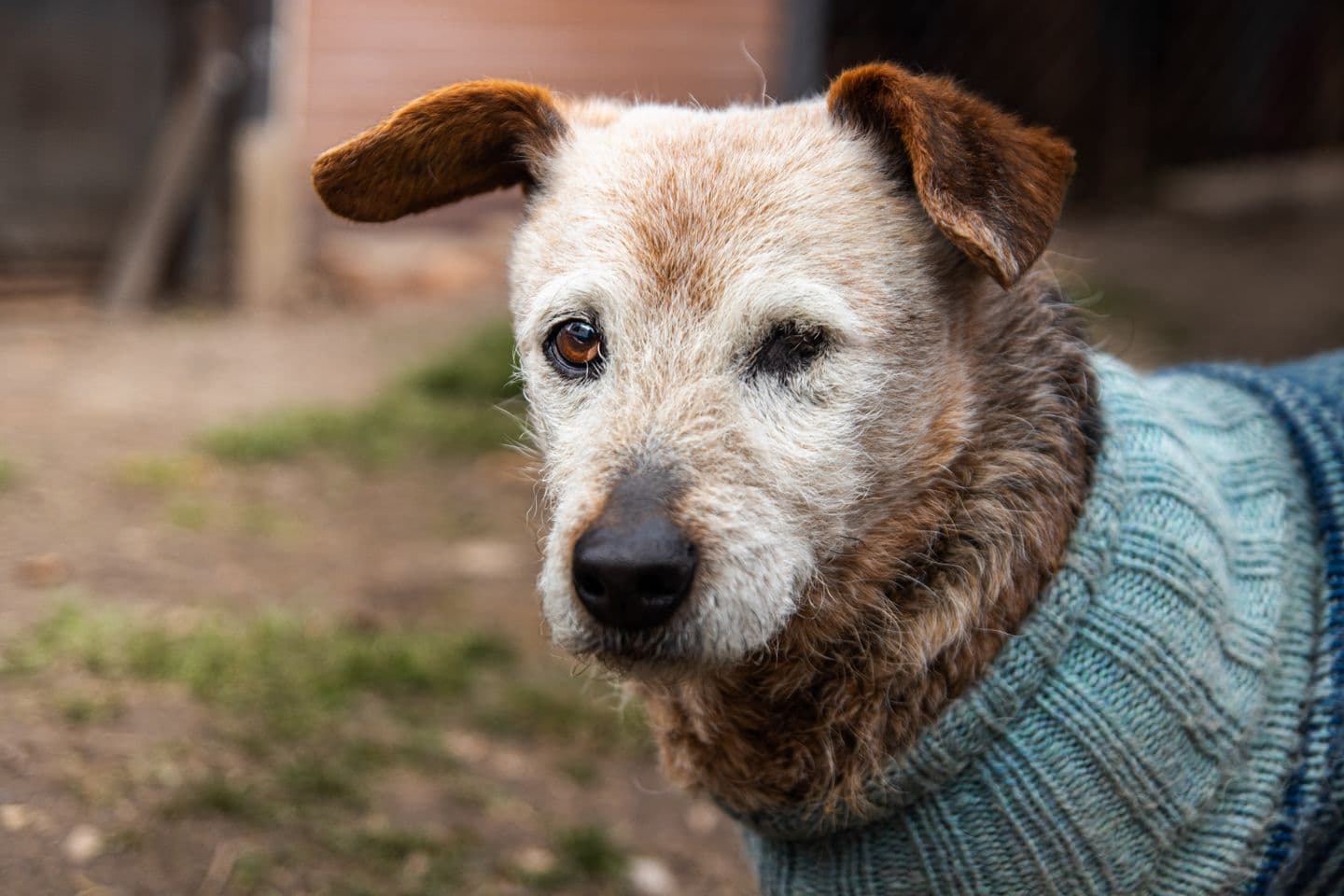
Recognising Dementia and Cognitive Decline in Ageing Dogs
Just as humans can develop Alzheimer's disease, dogs can develop a similar condition called canine cognitive dysfunction, sometimes called dog dementia. It is far more common than most pet parents rea
Just as humans can develop Alzheimer's disease, dogs can develop a similar condition called canine cognitive dysfunction, sometimes called dog dementia. It is far more common than most pet parents realise, affecting close to a third of dogs over the age of eleven, and the majority of dogs aged fifteen and above.
What is happening in the brain
As dogs age, a protein called beta amyloid can build up in the brain, forming plaques that interfere with normal signalling between brain cells. This process closely mirrors what happens in human Alzheimer's disease, which is part of why dogs are increasingly studied as a natural model for the human condition.
Signs to watch for
Vets often use the acronym DISHA to describe the pattern of symptoms, and it is a useful checklist for pet parents too.
Disorientation: getting stuck in corners, staring blankly, or seeming lost in a familiar home
Interaction changes: less interest in family members, or unusual clinginess
Sleep-wake cycle changes: pacing or vocalising at night, sleeping more in the day
House-training regression: accidents indoors despite years of reliable habits
Activity changes: reduced interest in play, or repetitive pacing
Getting a diagnosis
There is no single definitive test for cognitive dysfunction. Vets typically rule out other causes first, such as arthritis pain, urinary infections, or vision and hearing loss, since these can produce similar behaviour. A detailed history from you, sometimes supported by a screening questionnaire, helps your vet reach a diagnosis.
Managing the condition
Keep a consistent daily routine, since predictability reduces confusion
Ask your vet about diets or supplements containing antioxidants, omega 3 fatty acids or MCT oil
Provide gentle mental stimulation through sniff walks, food puzzles or short training refreshers
Use nightlights if disorientation worsens after dark
Discuss medication options with your vet if anxiety or sleep disruption is severe
Cognitive dysfunction cannot be cured, but its progress can often be slowed and its symptoms eased. Patience matters enormously here. A dog who no longer remembers the rules of the house still deserves the same warmth they gave you for years.
Telling dementia apart from other conditions
Several common senior conditions mimic cognitive dysfunction closely enough to confuse even attentive owners. Painful arthritis can cause pacing and restlessness that looks like disorientation. Hearing or vision loss can make a dog seem unresponsive or startled, when the real issue is a missed cue rather than confusion. A urinary tract infection can cause house soiling that has nothing to do with memory. This is exactly why a full veterinary work-up matters before assuming cognitive dysfunction is the cause, since treating the wrong condition delays real relief.
Supporting yourself through this stage
Living with a dog whose personality is visibly changing can be quietly exhausting, particularly with disrupted sleep from night time pacing or vocalising. It is a genuine form of caregiving fatigue, not an overreaction. Sharing the load with family members, asking your vet about safe options to help settle night time restlessness, and accepting that some days will simply be harder than others all make this stretch more sustainable for you as well as your dog.
Beyond the familiar Great Dane and Saint Bernard, a number of large, calm breeds carry the same gentle-giant temperament without quite the same name recognition. Most remain genuinely rare in India, b
A once-bouncy dog that suddenly seems flat, uninterested in walks, and withdrawn from the family is unsettling to watch, and the question that naturally follows is whether dogs can actually feel somet
A healthy dog isn't just a contented one; they're more playful, more energetic and more emotionally settled. As their owner, you're the biggest factor in how well your dog thrives, day in and day out.