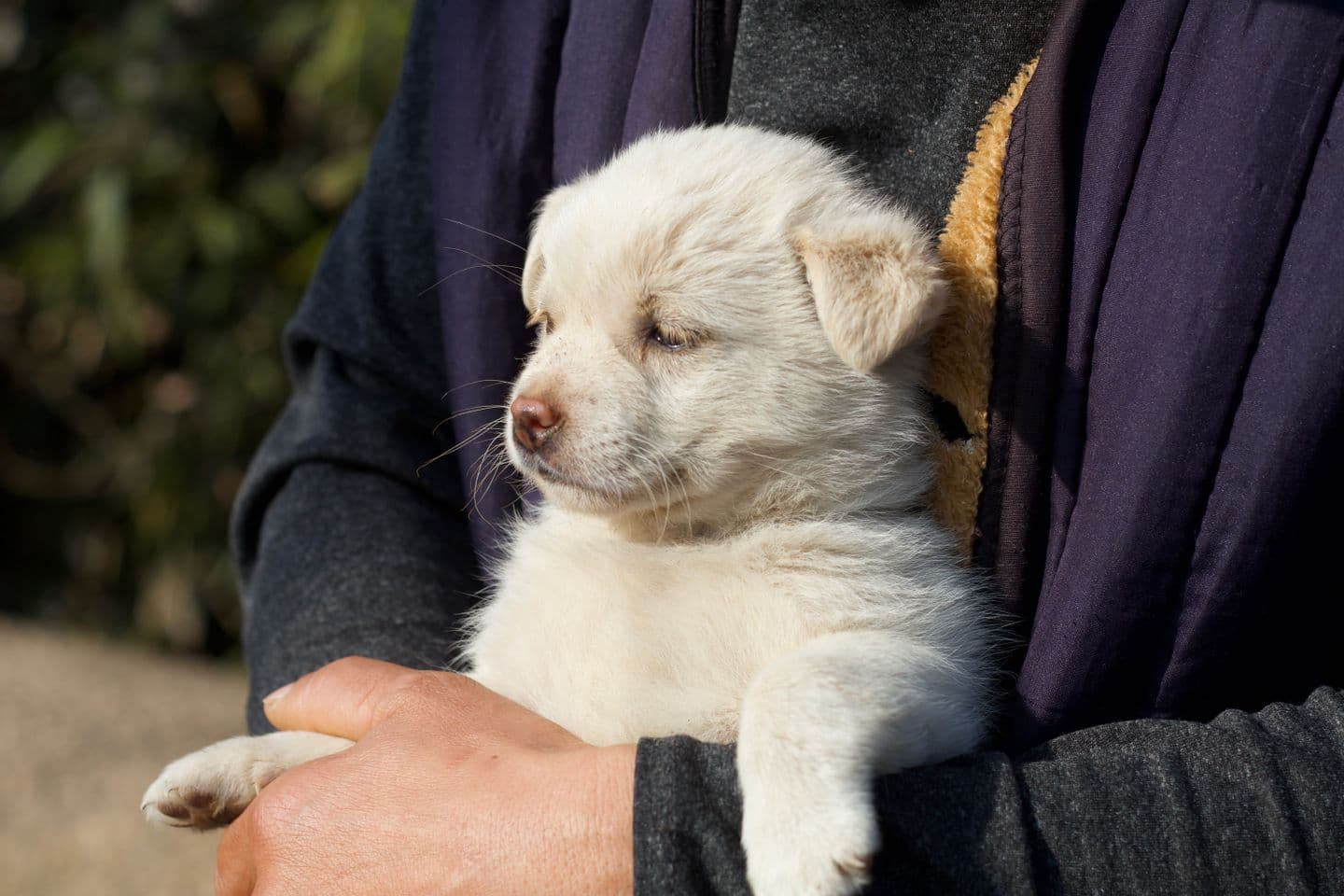
The First Meeting: Introducing a New Puppy to Your Older Dog
How the very first meeting between a new puppy and an established older dog goes sets the emotional tone for weeks afterward. Rushing this moment because everyone is excited to get the puppy home is o
How the very first meeting between a new puppy and an established older dog goes sets the emotional tone for weeks afterward. Rushing this moment because everyone is excited to get the puppy home is one of the most common and most avoidable mistakes new owners make.
Prepare the home before the puppy arrives
Set up separate food and water stations, and separate resting spaces, for each dog
Put away your older dog's favourite toys and chews temporarily, so there is nothing obvious to guard on day one
If possible, bring home a blanket or toy with the puppy's scent a few days ahead, letting your older dog investigate it at their own pace
Make sure your older dog's routine, walk times, feeding times, favourite sleeping spot, stays as unchanged as possible in the days around the introduction
Why neutral ground matters
A first meeting inside your older dog's home territory can trigger territorial behaviour that would not otherwise appear. A nearby park, a quiet street, or even a neighbour's garden the dogs have not spent much time in works better, since neither dog has an established claim to defend there. If the puppy is not yet fully vaccinated, a securely fenced private garden is a reasonable substitute for a public space.
Running the actual introduction
Have one person handle each dog on a loose leash, never a tight one, which can transmit tension down the lead
Let them approach and sniff briefly, then walk them side by side in the same direction for a few minutes before allowing more contact
Keep the first face to face greeting short, a few seconds is plenty, then call both dogs away and reward calm behaviour
Watch for a play bow, a relaxed wagging tail, or loose body movement, all good signs, versus stiffening, a hard stare, or a raised tail, signs to create distance immediately
Bringing them home together
After a successful outdoor introduction, walk both dogs home together rather than transporting the puppy separately and presenting it as a surprise. If you have a yard, let them spend some supervised time there before heading indoors. Once inside, keep the puppy on a leash initially while your older dog is given the freedom to investigate, and remove the puppy's leash only once the older dog's body language stays consistently relaxed.
The first few days
Keep interactions short and supervised rather than assuming the two will simply work it out on their own. Ensure the puppy is also getting adequate deworming and a vet checkup early on, since intestinal parasites and other minor infections can pass between an older dog and a new puppy sharing close quarters. A calm, gradual introduction over the first week matters far more than how quickly the two dogs seem to bond on day one.
Health checks worth doing before the meeting
Where possible, confirm your older dog's vaccinations are current and consider a fecal test for both dogs beforehand, since parasites like giardia and coccidia pass easily between dogs in close contact and are simpler to rule out before the introduction than to treat afterward. This is a reasonable ask of a breeder or shelter too, most responsible sources will already have this information on hand for the puppy.
If the first meeting does not go smoothly
Persistent growling with a stiff body, snapping that makes contact, or one dog repeatedly trying to flee are all signs to end the session calmly rather than push through hoping it improves. Separate the dogs, give both time to settle, and try again after a break, either later the same day or on a different day entirely. A single tense first encounter does not doom the relationship, but repeated failed attempts, or any incident involving real contact, are worth bringing a certified trainer or behaviourist into before trying again on your own.
Beyond the familiar Great Dane and Saint Bernard, a number of large, calm breeds carry the same gentle-giant temperament without quite the same name recognition. Most remain genuinely rare in India, b
A once-bouncy dog that suddenly seems flat, uninterested in walks, and withdrawn from the family is unsettling to watch, and the question that naturally follows is whether dogs can actually feel somet
A healthy dog isn't just a contented one; they're more playful, more energetic and more emotionally settled. As their owner, you're the biggest factor in how well your dog thrives, day in and day out.