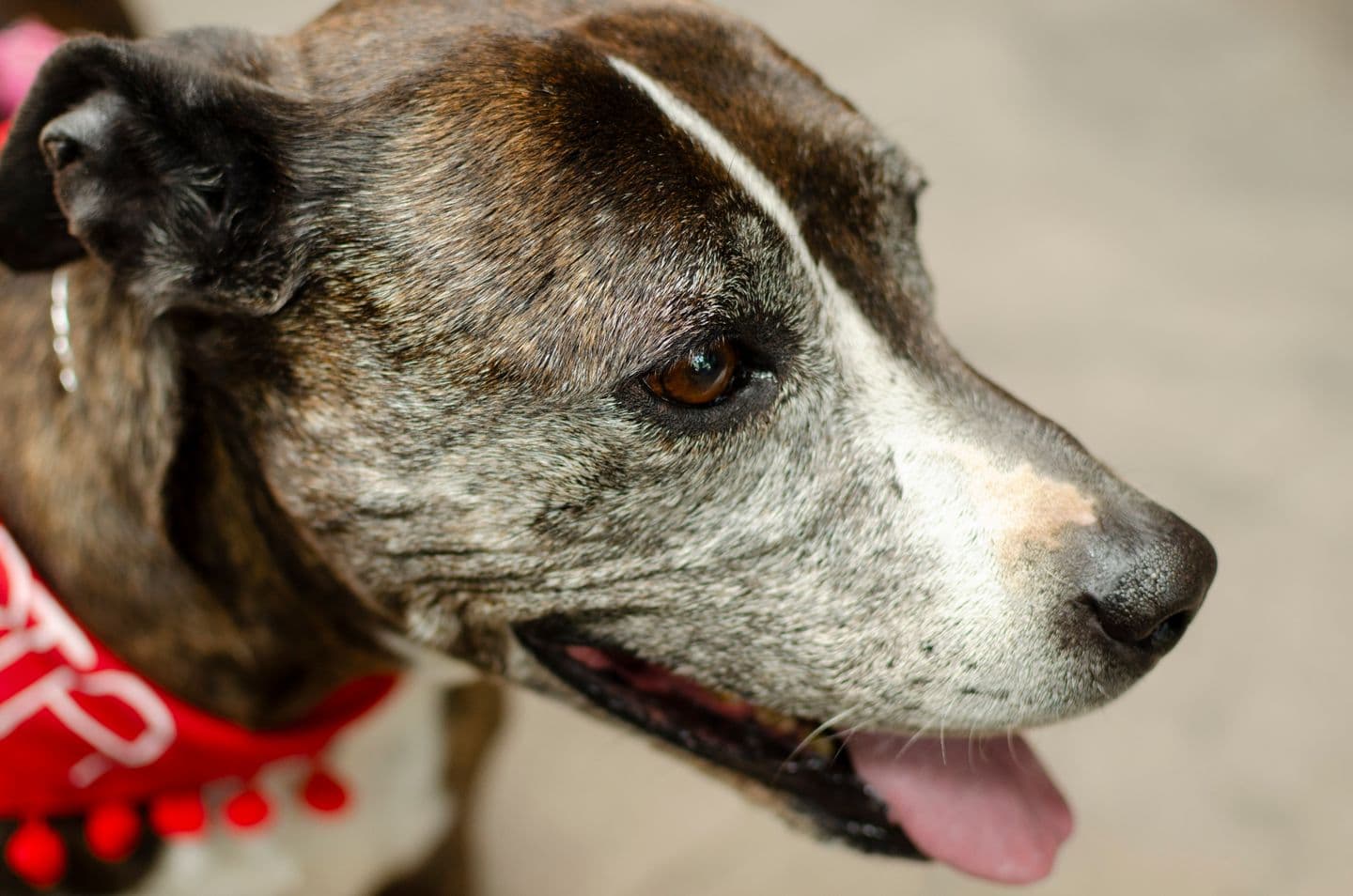
A senior dog that suddenly seems to be permanently stationed at the water bowl is not being dramatic. Increased thirst, known medically as polydipsia, is one of the more reliable early warning signs t
A senior dog that suddenly seems to be permanently stationed at the water bowl is not being dramatic. Increased thirst, known medically as polydipsia, is one of the more reliable early warning signs that something in an older dog's body needs attention.
How much water is normal
Most healthy dogs drink around 50 to 100 millilitres of water per kilogram of body weight each day. Hot, humid conditions across much of India naturally push this figure up, so some seasonal variation is expected. A steady, unexplained increase beyond your dog's normal pattern is the detail worth noticing.
Common causes in senior dogs
Chronic kidney disease, one of the most frequent causes of increased thirst in older dogs
Diabetes mellitus, often paired with increased urination and weight loss
Cushing's disease, caused by excess cortisol from the adrenal glands
Urinary tract infections
Liver disease
Certain medications, particularly steroids
Pyometra in unspayed senior females, a serious uterine infection requiring urgent care
What usually comes alongside it
Increased thirst rarely travels alone. Watch for increased urination, house accidents in a previously reliable dog, weight changes, appetite changes, or lethargy. Reporting the full pattern to your vet, rather than just the water bowl detail, helps narrow down the cause faster.
What your vet will likely do
Diagnosis usually starts with blood work and a urine test to check kidney values, blood sugar and urine concentration. Depending on the results, your vet may recommend an ultrasound or further hormone testing. Treatment varies widely depending on the cause, from dietary management for kidney disease to insulin for diabetes.
When to see a vet
Do not wait out a noticeable, sustained increase in thirst in a senior dog. Book an appointment within a few days, or sooner if thirst is paired with vomiting, lethargy, or a swollen abdomen. Early detection of kidney or endocrine disease genuinely changes the long-term outlook.
Tracking water intake at home
Vets often ask how much a dog is drinking, and a vague answer makes diagnosis harder. A simple way to track this is to measure out a fixed amount of water each morning in your dog's bowl and note how much is left, or gone, by the next refill, topping up through the day as needed and keeping a rough daily total. Doing this for a week before your vet visit gives a far more useful picture than guessing, and it also helps you notice smaller trends you might otherwise miss.
A word on restricting water
It can be tempting to limit water access when a senior dog seems to be drinking excessively, hoping to reduce accidents in the house. This is not safe. Restricting water does not treat the underlying cause and can quickly lead to dehydration, particularly in a dog already losing fluid through increased urination. Always let your dog drink freely while you work with your vet to find and treat the actual cause.
Beyond the familiar Great Dane and Saint Bernard, a number of large, calm breeds carry the same gentle-giant temperament without quite the same name recognition. Most remain genuinely rare in India, b
A once-bouncy dog that suddenly seems flat, uninterested in walks, and withdrawn from the family is unsettling to watch, and the question that naturally follows is whether dogs can actually feel somet
A healthy dog isn't just a contented one; they're more playful, more energetic and more emotionally settled. As their owner, you're the biggest factor in how well your dog thrives, day in and day out.