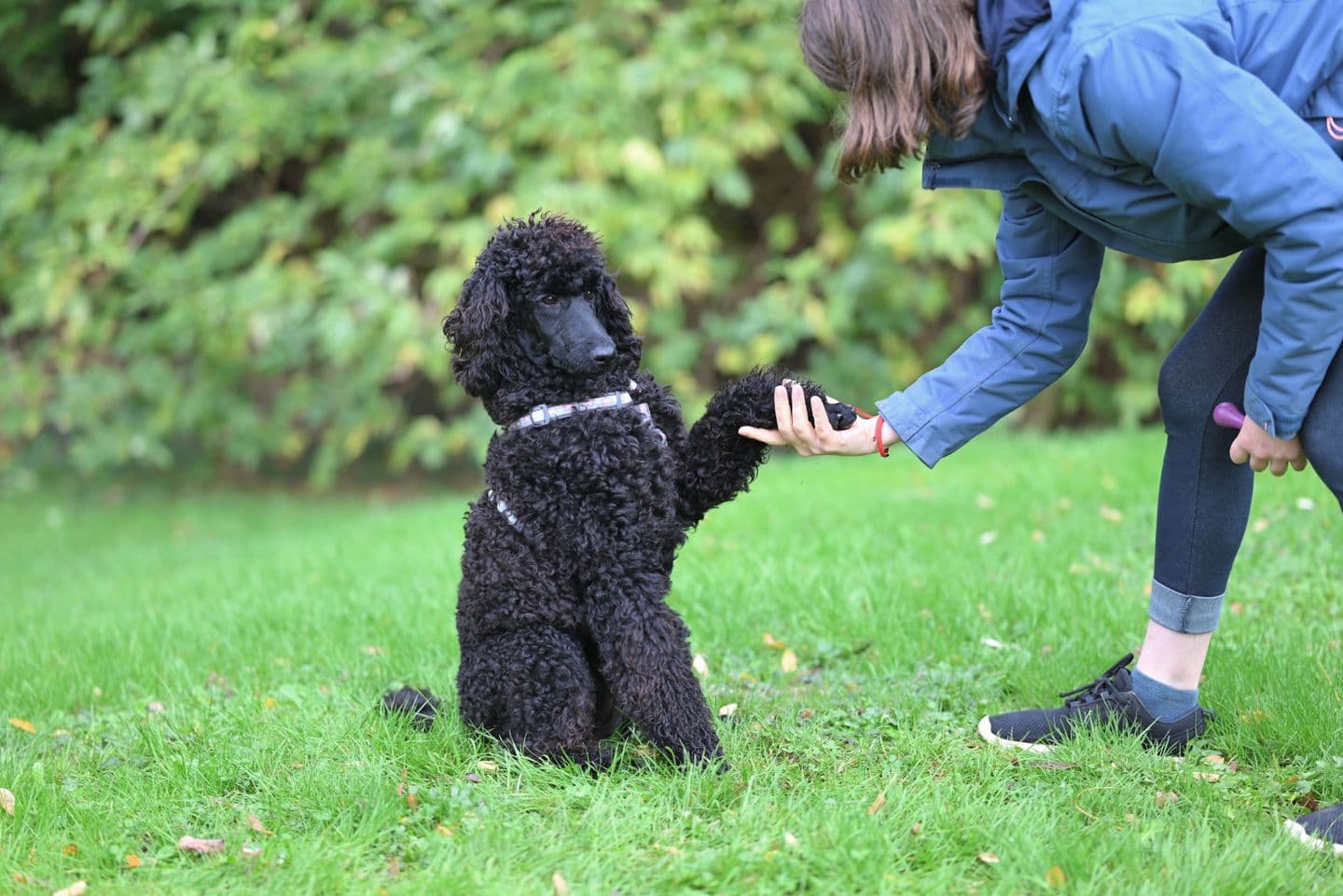
DIY Obedience Training for Dogs: A Step by Step Guide
You do not need a professional trainer to teach solid, everyday obedience at home. A structured, consistent approach gets real results with regular short sessions.
You do not need a professional trainer to teach solid, everyday obedience at home. A structured, consistent approach gets real results with regular short sessions.
Step One: Set Clear Goals
Decide which behaviours matter most for your household, sit, stay, come, loose leash walking, and focus your early sessions there rather than trying to teach everything at once.
Step Two: Gather the Right Tools
Small, soft, high value treats, a comfortable harness or collar, a standard leash, and a quiet space to start all set you up for smoother progress.
Step Three: Teach One Command at a Time
Introduce a new command only once the previous one is reasonably solid. Use a lure to guide the first few repetitions, then fade the lure into a hand signal paired with the verbal cue.
Step Four: Practise in Short, Frequent Sessions
Five to ten minutes, two or three times a day, works better than one long session, which tends to lose a dog's focus and enthusiasm.
Step Five: Gradually Add Distractions
Once a command is reliable in a quiet room, practise it with mild distractions, then busier ones, and eventually outdoors, since dogs do not automatically apply a skill learned in one context to a new one.
Step Six: Phase Out Constant Treats
As reliability builds, reward intermittently rather than every single time, mixing in praise and play as rewards too, which keeps a behaviour strong without dependence on a treat being visible.
Common DIY Training Mistakes
Training sessions that run too long and tire out the dog's focus
Inconsistent cues or hand signals between different family members
Moving to distractions too quickly before a command is genuinely solid
Ending a session on a failure rather than a success
When to Bring in a Professional
DIY training works well for most everyday obedience. Aggression, severe fear, or a lack of progress despite consistent effort are good signs it is time to bring in a certified trainer or behaviourist.
Tracking Progress Keeps You Motivated
Keep a simple note of what you practised each session and how your dog responded, even just a few words in a phone notes app. Progress in dog training is often gradual and easy to underestimate day to day, and a quick record makes it much easier to see genuine improvement over a few weeks, which helps sustain motivation through any temporary plateaus.
Using Mealtime as Bonus Training Time
Instead of simply placing a bowl down, ask for a quick sit or a wait before releasing your dog to eat. This turns a completely routine daily moment into two additional, effortless training repetitions without adding any extra time to your day.
Beyond the familiar Great Dane and Saint Bernard, a number of large, calm breeds carry the same gentle-giant temperament without quite the same name recognition. Most remain genuinely rare in India, b
A once-bouncy dog that suddenly seems flat, uninterested in walks, and withdrawn from the family is unsettling to watch, and the question that naturally follows is whether dogs can actually feel somet
A healthy dog isn't just a contented one; they're more playful, more energetic and more emotionally settled. As their owner, you're the biggest factor in how well your dog thrives, day in and day out.