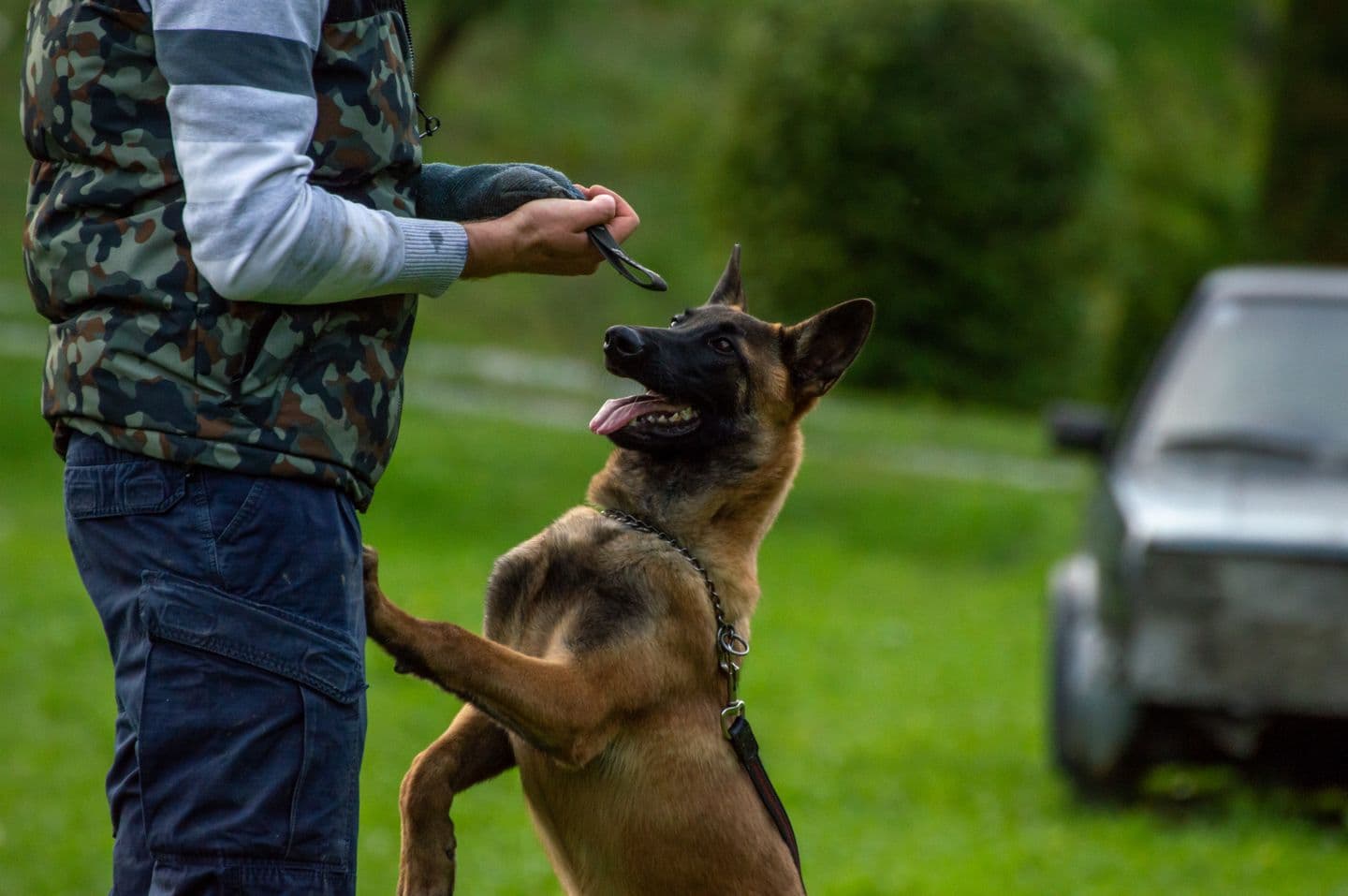
Long before a dog growls or snaps, they usually offer a whole vocabulary of smaller, quieter signals asking for space or trying to defuse tension. Trainers often call these appeasement or calming sign
Long before a dog growls or snaps, they usually offer a whole vocabulary of smaller, quieter signals asking for space or trying to defuse tension. Trainers often call these appeasement or calming signals.
What Appeasement Gestures Look Like
A quick lip lick, often faster and more repetitive than simple anticipation of food
Turning the head or whole body away from a person or another dog
A single paw lift, similar to a hesitant, uncertain pause
Yawning outside of tiredness, especially in a tense or unfamiliar situation
Moving in a slow, curved approach rather than walking straight at another dog or person
Sniffing the ground suddenly, seemingly out of nowhere, during a tense interaction
Why Dogs Use Them
These gestures evolved to prevent conflict. A dog offering a calming signal is usually saying they mean no harm and would prefer the tension to ease, whether that is with another dog, a person, or an uncertain situation like a vet visit.
Why They Are Easy to Miss
Most appeasement gestures are quick and subtle, especially compared to more obvious signals like growling or barking. Learning to notice them takes deliberate practice, but it pays off, since responding to a calming signal early prevents most situations from escalating further.
How to Respond
Give the dog more space, remove them from the stressful situation if possible, and avoid adding pressure such as more touching, closer proximity, or direct eye contact. Never punish a dog for offering a calming signal, since it is communication, not misbehaviour.
Teaching Guests and Children to Notice Them
A short, simple explanation to visitors, especially children, about what a lip lick or a turned head means goes a long way toward preventing an uncomfortable dog from being pushed into a bite. Most dogs give plenty of warning before things escalate, if people know what to look for.
Appeasement Signals Can Add Up Over a Day
A single calming signal is rarely a cause for concern, but a dog offering them repeatedly across a busy day, at a family gathering, during a long car ride, or through a noisy festival, is carrying cumulative stress. Give a dog quiet recovery time after a demanding day rather than assuming each small signal in isolation does not matter.
Appeasement Gestures Toward Other Household Pets
Dogs offer many of the same calming signals toward resident cats or other pets as they do toward people, a turned head or a slow approach when a cat is nearby is often the dog trying to keep the peace, and recognising this can help you support a smoother multi pet household.
Beyond the familiar Great Dane and Saint Bernard, a number of large, calm breeds carry the same gentle-giant temperament without quite the same name recognition. Most remain genuinely rare in India, b
A once-bouncy dog that suddenly seems flat, uninterested in walks, and withdrawn from the family is unsettling to watch, and the question that naturally follows is whether dogs can actually feel somet
A healthy dog isn't just a contented one; they're more playful, more energetic and more emotionally settled. As their owner, you're the biggest factor in how well your dog thrives, day in and day out.