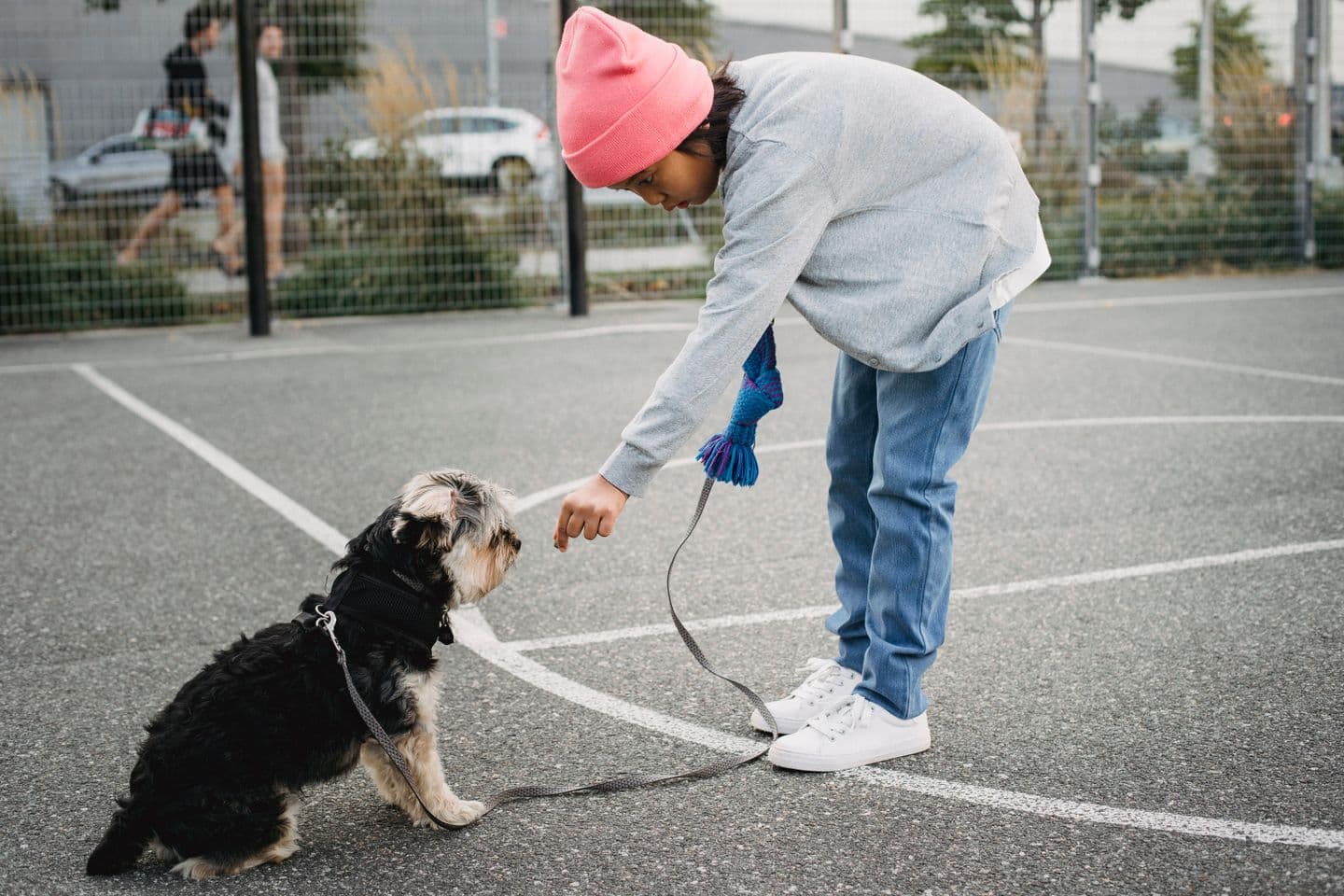
India's pet training industry has grown quickly, and with that growth comes a wide range of quality. Because dog training is unregulated, anyone can call themselves a trainer. Here is how to spot the
India's pet training industry has grown quickly, and with that growth comes a wide range of quality. Because dog training is unregulated, anyone can call themselves a trainer. Here is how to spot the ones to avoid.
Guarantees of Fast Results
No honest trainer can guarantee a fully trained dog in a fixed number of sessions. Behaviour change takes time and depends on the individual dog. Big promises are usually a sales tactic.
Heavy Reliance on Punishment
Be cautious of a trainer who leans on choke chains, prong collars, shock collars, or physical corrections like alpha rolls and leash jerks as a first resort. These methods can suppress a behaviour temporarily while increasing fear and, in some cases, aggression.
Refusal to Explain Methods
A trainer confident in their approach will happily explain why they are asking you to do something. Vague answers or a dismissive I know best attitude is a warning sign.
No Interest in Your Dog's History
A responsible trainer asks about your dog's age, health, past experiences and any known triggers before starting. This matters even more for rescued Indies, who may carry the effects of a difficult start on the street.
One Size Fits All Programmes
Every dog is different. A trainer who runs every dog through an identical, rigid programme regardless of temperament or breed is not tailoring their approach to the individual in front of them.
Discomfort With Questions
You should always feel comfortable asking why a technique is being used, and free to say stop if your dog seems distressed. A trainer who bristles at questions is not someone you want handling your dog.
What to Look for Instead
Certification from a recognised body or a documented apprenticeship under an experienced trainer
Willingness to use force free, reward based methods as the default
Clear communication and visible patience, even when the dog is struggling
Openness to working alongside your veterinarian for dogs with anxiety or medical concerns
Questions to Ask Before You Hire a Trainer
A short conversation before your first session tells you a great deal. Ask what happens if my dog gets something wrong, and listen for an answer about redirecting to a better choice rather than a correction. Ask to observe a session with another client first if the trainer runs group classes. And ask directly whether they use aversive tools like shock collars, choke chains, or prong collars, since some trainers avoid mentioning these unless asked outright.
Checking Reviews and References
Ask a prospective trainer for references from past clients, and look for consistent, specific feedback rather than only star ratings. A trainer confident in their results will happily connect you with a happy client or two.
Beyond the familiar Great Dane and Saint Bernard, a number of large, calm breeds carry the same gentle-giant temperament without quite the same name recognition. Most remain genuinely rare in India, b
A once-bouncy dog that suddenly seems flat, uninterested in walks, and withdrawn from the family is unsettling to watch, and the question that naturally follows is whether dogs can actually feel somet
A healthy dog isn't just a contented one; they're more playful, more energetic and more emotionally settled. As their owner, you're the biggest factor in how well your dog thrives, day in and day out.