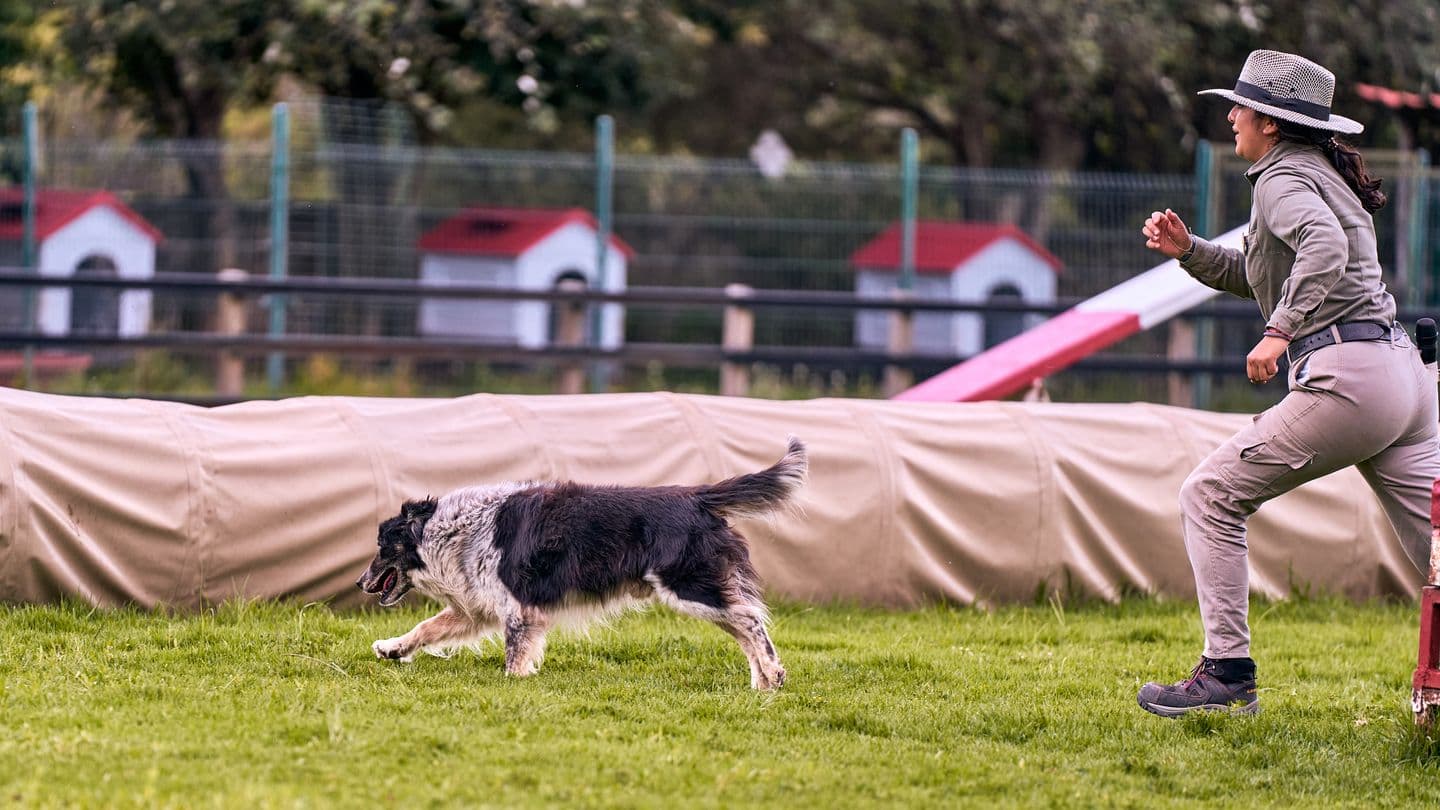
Clicker training uses a small, distinct sound to mark the exact moment a dog does something right, offering unmatched precision compared to a spoken word alone.
Clicker training uses a small, distinct sound to mark the exact moment a dog does something right, offering unmatched precision compared to a spoken word alone.
Why the Click Works So Well
A verbal marker like good boy varies in tone and timing every time it is said. A clicker produces the exact same sound every time, giving a dog crystal clear, consistent feedback about precisely which action earned the reward.
Step One: Charge the Clicker
Before using the clicker for actual training, teach your dog that the click always predicts a treat. Click, then immediately treat, repeating around ten to fifteen times until your dog's ears perk up at the sound alone.
Step Two: Mark and Reward Correctly
Click at the exact instant your dog performs the desired behaviour, then follow with a treat within a couple of seconds. The timing of the click matters far more than the timing of the treat that follows it.
Step Three: Add the Verbal Cue
Once your dog reliably offers a behaviour, start saying the cue word just before they perform it, gradually building the association between the word and the action.
Step Four: Fade the Clicker Over Time
Once a behaviour is well established, the clicker is no longer needed for every repetition. Reserve it for teaching new skills or refining an existing one, relying on praise and occasional treats for everyday reinforcement.
Common Mistakes to Avoid
Clicking too late, after the behaviour has already ended
Forgetting to follow every click with a reward, which weakens the clicker's meaning over time
Using the clicker to get attention rather than to mark a specific behaviour
Is Clicker Training Right for Every Dog
Most dogs take to clicker training well, though a small number find the sharp sound startling at first. If your dog seems nervous of the click, muffle it inside a pocket initially, or use a soft mouth click or a specific word as an alternative marker instead.
Clicker Training in a Multi-Dog Household
A single click can confuse two dogs about which one is being rewarded. Train each dog separately in the early stages, or use a distinct marker word for one dog and the clicker for the other, so each animal clearly understands when they, specifically, have earned the reward.
Clicker Training for a Sharper Recall
Recall is one of the skills that benefits most from a clicker's precise timing, since you can mark the exact instant your dog turns toward you, well before they have fully arrived, reinforcing the decision to come rather than only the completed action.
Beyond the familiar Great Dane and Saint Bernard, a number of large, calm breeds carry the same gentle-giant temperament without quite the same name recognition. Most remain genuinely rare in India, b
A once-bouncy dog that suddenly seems flat, uninterested in walks, and withdrawn from the family is unsettling to watch, and the question that naturally follows is whether dogs can actually feel somet
A healthy dog isn't just a contented one; they're more playful, more energetic and more emotionally settled. As their owner, you're the biggest factor in how well your dog thrives, day in and day out.