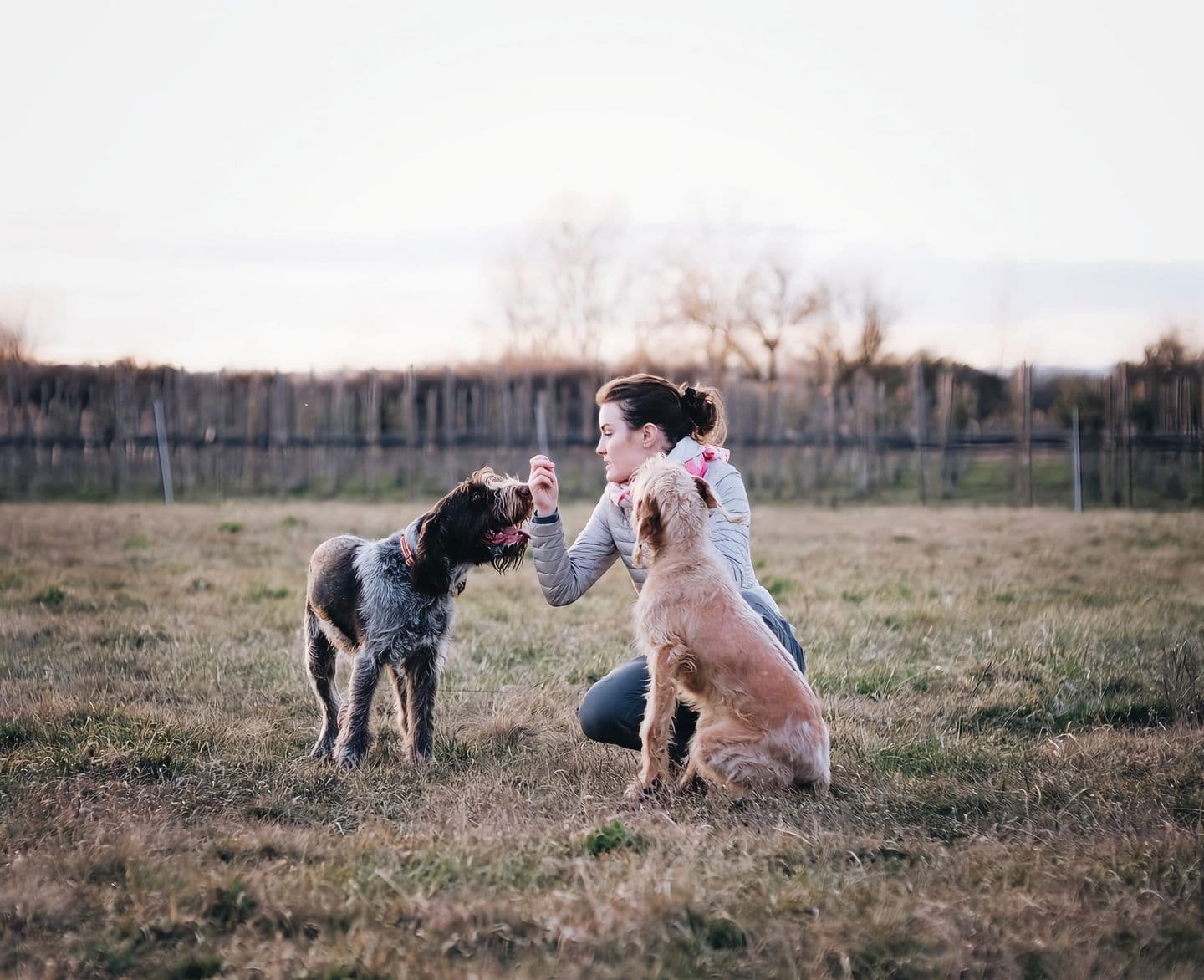
How to Handle Your Dog Around People With Dog Phobias
Not everyone your dog meets will want to say hello, and some people carry a genuine, sometimes deeply rooted fear of dogs. Managing these encounters thoughtfully protects both your dog's reputation an
Not everyone your dog meets will want to say hello, and some people carry a genuine, sometimes deeply rooted fear of dogs. Managing these encounters thoughtfully protects both your dog's reputation and another person's comfort.
Recognising a Fearful Person
Someone with a dog phobia may freeze, cross the street, pull back visibly, or ask you directly to keep your dog away. Take this seriously rather than reassuring them your dog is friendly, since the fear itself is real regardless of your dog's temperament.
What to Do in the Moment
Shorten the leash and bring your dog close to your side
Create distance by stepping to the side rather than continuing directly toward the person
Ask your dog for a sit or a hold if they are trained to do so, giving the person a predictable, still dog to pass
Avoid letting your dog pull toward the person even in friendly excitement
In Shared and Public Spaces
In lifts, building lobbies, and narrow society pathways common in Indian apartment living, be especially considerate. Offer to wait for the next lift or step aside on a narrow path, a small gesture that goes a long way toward good neighbourly relations.
Managing Curious or Overly Friendly Dogs
A dog who strains toward every person hoping for attention needs a foundation of loose leash manners and an impulse control cue like leave it or wait, both worth investing time in specifically so you have reliable tools in these moments.
Explaining to Children
If your own children are with you, use these moments to teach empathy, explaining that not everyone loves dogs the way your family does, and that respecting someone's fear is simply good manners.
Building Broader Community Goodwill
Consistently considerate handling around fearful neighbours, especially in dense Indian housing societies where dog owners and non dog owners share close quarters, helps maintain positive relationships and reduces friction over pets in shared spaces.
If Someone Reacts Strongly or Angrily
Occasionally a fearful person responds with visible frustration or a sharp comment rather than a simple request for space. Respond calmly and briefly, moving your dog further away rather than engaging in an argument. A defensive or heated response in front of your dog can also unsettle them, so keeping your own tone measured protects everyone involved.
Teaching a Default Mat Command
A dog trained to settle on a mat on cue gives you a reliable, calm option when an unfamiliar or fearful visitor arrives, letting you manage the moment smoothly without needing to physically restrain or remove your dog from the room each time.
Beyond the familiar Great Dane and Saint Bernard, a number of large, calm breeds carry the same gentle-giant temperament without quite the same name recognition. Most remain genuinely rare in India, b
A once-bouncy dog that suddenly seems flat, uninterested in walks, and withdrawn from the family is unsettling to watch, and the question that naturally follows is whether dogs can actually feel somet
A healthy dog isn't just a contented one; they're more playful, more energetic and more emotionally settled. As their owner, you're the biggest factor in how well your dog thrives, day in and day out.