House training is one of the very first things most new puppy owners tackle, and while it takes patience, a consistent, positive approach gets there reliably.
House training is one of the very first things most new puppy owners tackle, and while it takes patience, a consistent, positive approach gets there reliably.
Establish a Routine
Take your puppy out first thing in the morning, after every meal, after naps, after play sessions, and last thing at night. Young puppies have very limited bladder control and need far more frequent opportunities than an adult dog.
Choose a Consistent Spot
Taking your puppy to the same outdoor spot each time builds a scent association that encourages them to go more quickly once there.
Reward Immediately
Praise and reward within seconds of your puppy finishing, not after you have both walked back inside. Timing matters enormously for a young puppy to connect the reward to the correct action.
Supervise Closely Indoors
Keep a young puppy within sight at all times indoors during the early training period, using a lead indoors if needed or confining them to a small, easily supervised area. This lets you catch and redirect the early signs of needing to go before an accident happens.
Crate Training as a Support Tool
Since most puppies naturally avoid soiling their own sleeping area, a properly sized crate can help teach bladder control between outdoor trips, provided it is never used as punishment and outings remain frequent enough for the puppy's age.
Handling Setbacks
Regression happens, sometimes tied to a change in routine, a house move, or a health issue like a urinary tract infection. If a previously reliable puppy suddenly starts having frequent accidents, a vet check is worth ruling out before assuming a training lapse.
Timeline Expectations
Most puppies achieve reasonably reliable house training between four and six months, though full reliability, including through the night, can take a little longer for some individuals and breeds.
Managing Night Time Toileting
Very young puppies typically need at least one toilet break overnight. Set an alarm for a middle of the night trip in the early weeks rather than expecting a puppy to hold on for a full night's sleep straight away, and keep this outing calm and low key, with minimal play or fuss, so your puppy learns to settle straight back to sleep afterward rather than treating it as playtime.
House Training Multiple Puppies at Once
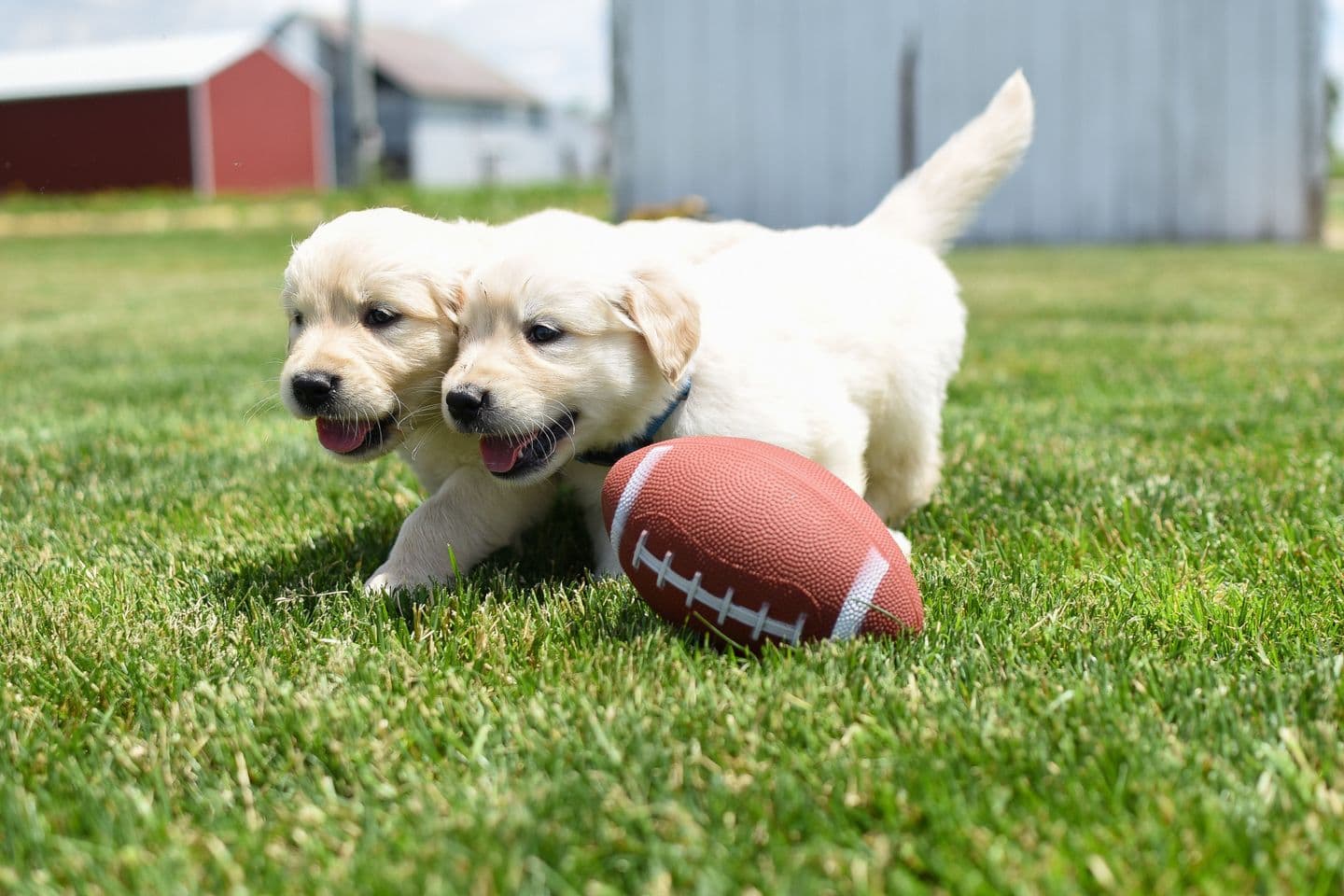
Training two puppies simultaneously takes longer than training one, since each can distract the other during a critical moment. Where possible, separate them briefly during dedicated toilet training outings in the first few weeks, reuniting them once each has been rewarded individually.
Beyond the familiar Great Dane and Saint Bernard, a number of large, calm breeds carry the same gentle-giant temperament without quite the same name recognition. Most remain genuinely rare in India, b
A once-bouncy dog that suddenly seems flat, uninterested in walks, and withdrawn from the family is unsettling to watch, and the question that naturally follows is whether dogs can actually feel somet
A healthy dog isn't just a contented one; they're more playful, more energetic and more emotionally settled. As their owner, you're the biggest factor in how well your dog thrives, day in and day out.