How to Safely Use a Retractable Dog Leash: Tips from a Professional
Retractable leashes are popular in Indian parks and housing society compounds because they seem to give a dog more freedom. Most veterinarians and trainers, however, are cautious about them, and it he
Retractable leashes are popular in Indian parks and housing society compounds because they seem to give a dog more freedom. Most veterinarians and trainers, however, are cautious about them, and it helps to understand both the risks and how to use one responsibly if you choose to.
Why Vets and Trainers Are Wary
The thin cord can cause burns, cuts, and even finger injuries if it wraps around a hand or leg. A dog sprinting to the end of the line before it locks can suffer a sudden jolt to the neck and throat, and the same jolt can pull an owner off balance.
Extra Risks on Indian Streets
In crowded lanes, near two wheelers, or around free roaming street dogs, the extra length of a retractable leash makes it harder to react quickly. A dog thirty feet away cannot be pulled back to safety in time if a scooter turns the corner or an unfamiliar dog approaches.
If You Do Use One, Follow These Rules
Lock the leash to a short, fixed length in crowded areas, near roads, or around other animals
Never let the leash extend fully near traffic, staircases, or other pedestrians
Keep a firm grip on the handle at all times and never wrap the cord around your hand
Only use a retractable leash with a dog who already walks reliably and responds to recall
Switch to a standard four to six foot leash for busy markets, festival crowds, or vet visits
Better Alternatives for Most Walks
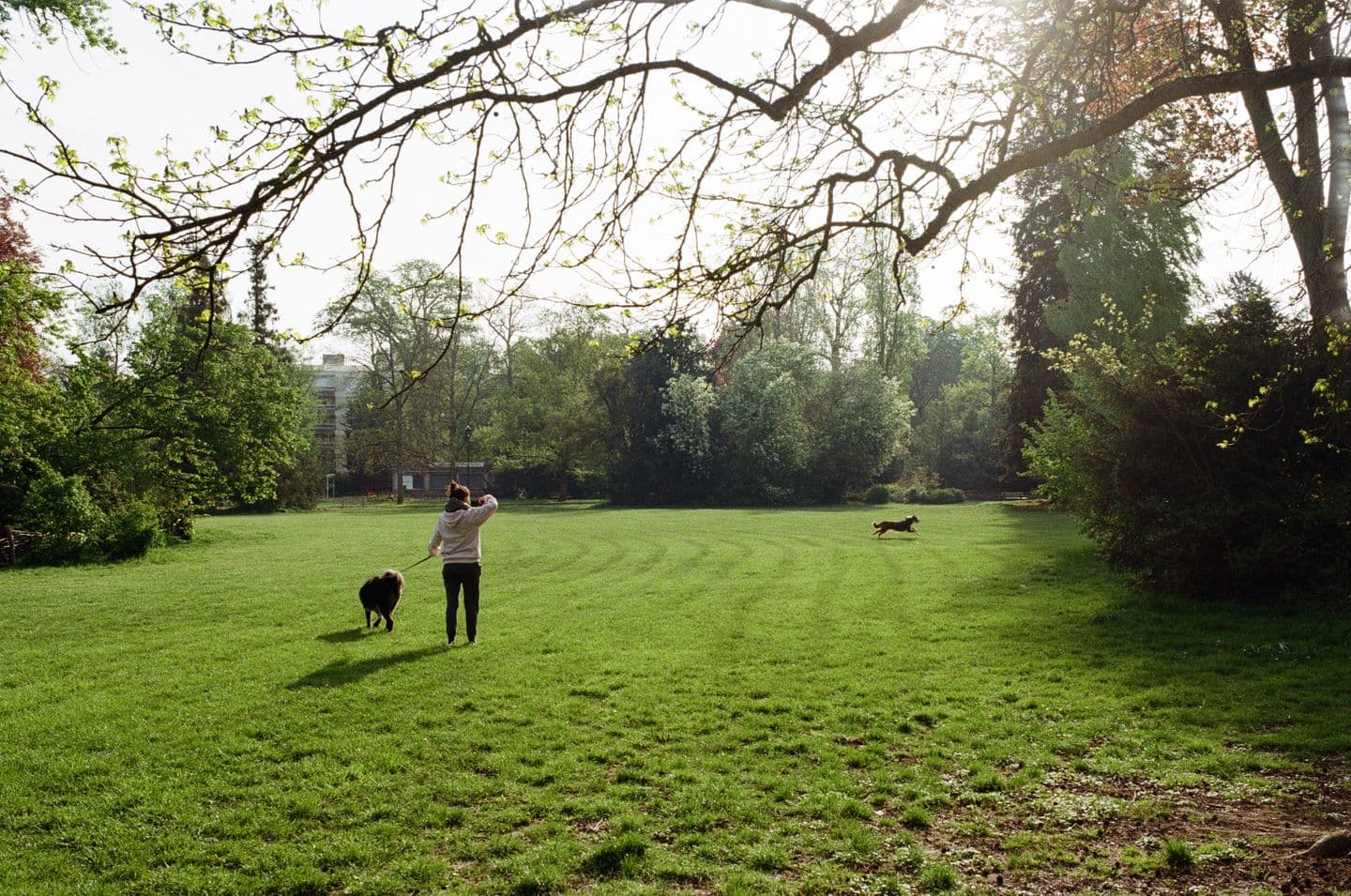
A long line, typically five to ten metres of flat webbing without the spring loaded mechanism, gives a dog similar freedom to sniff and explore in an open park without the sudden jolt, tangling risk, or thin cord injuries of a retractable leash. It is also easier to gather in quickly by hand if a situation changes. For daily walks through Indian streets and society compounds, a well fitted standard leash paired with a front clip harness remains the safest, most controllable option.
Caring for a Standard Leash
A good standard leash lasts years with basic care. Wipe it down after monsoon walks to prevent mildew, and check the stitching and clasp periodically for wear, since a weakened clasp is a genuine safety risk near traffic.
Beyond the familiar Great Dane and Saint Bernard, a number of large, calm breeds carry the same gentle-giant temperament without quite the same name recognition. Most remain genuinely rare in India, b
A once-bouncy dog that suddenly seems flat, uninterested in walks, and withdrawn from the family is unsettling to watch, and the question that naturally follows is whether dogs can actually feel somet
A healthy dog isn't just a contented one; they're more playful, more energetic and more emotionally settled. As their owner, you're the biggest factor in how well your dog thrives, day in and day out.