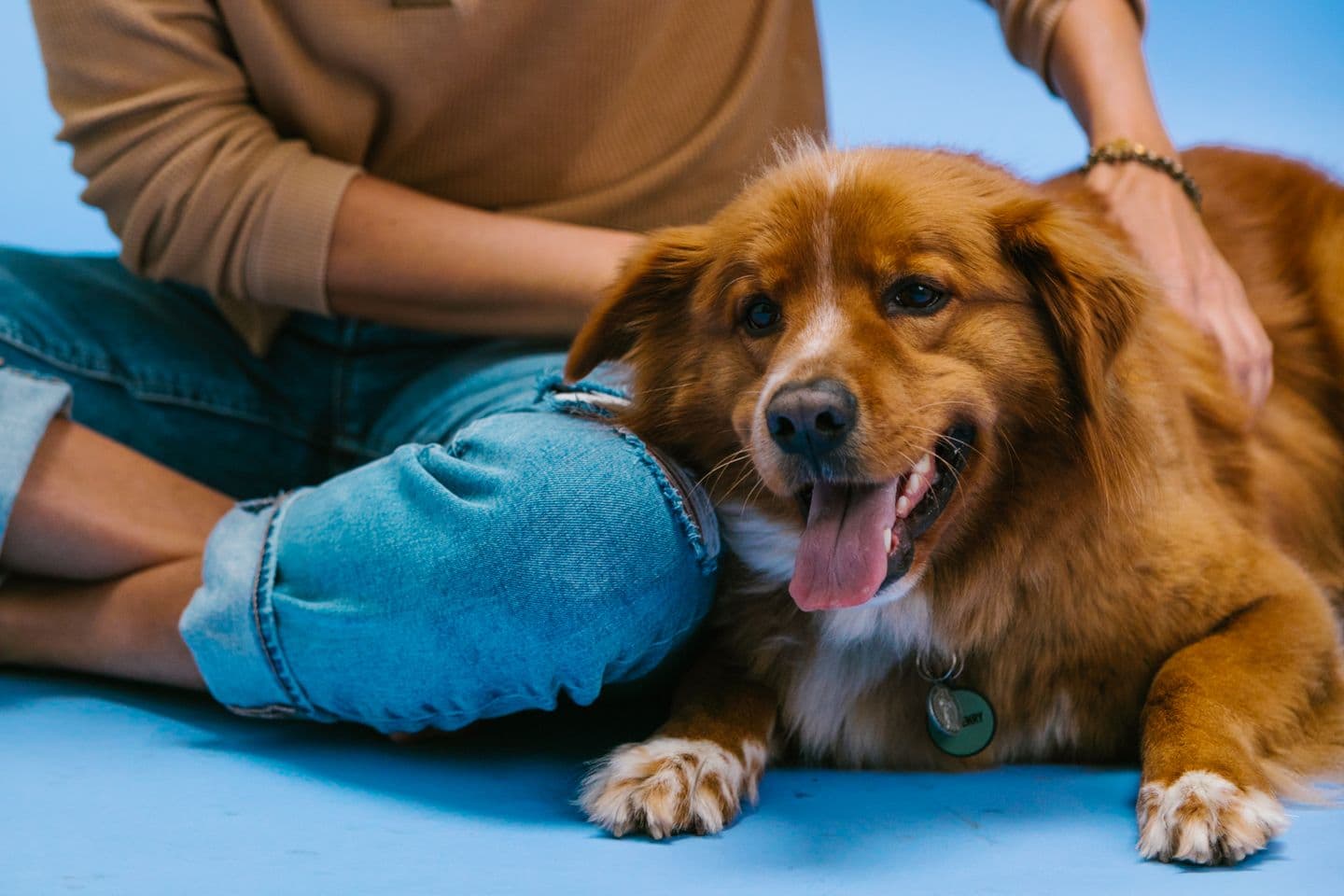
How to Train a Rescue Dog: Transform Your Shelter Pup Into a Family Member
Rescued dogs, whether from a shelter or straight off the street, often make deeply loyal, loving companions, but the path there usually looks a little different from raising a puppy from eight weeks o
Rescued dogs, whether from a shelter or straight off the street, often make deeply loyal, loving companions, but the path there usually looks a little different from raising a puppy from eight weeks old.
Give Them Time to Decompress
Many trainers describe a rough three, three, three timeline. Three days to start settling in, three weeks to begin feeling more at home, and three months to truly show their real personality. Avoid overwhelming a newly adopted dog with visitors, new experiences, or heavy training in the first days.
Start With a Predictable Routine
Consistent meal times, walk times, and a designated resting spot help a dog who may have had an unpredictable past feel secure. Predictability builds trust faster than almost anything else.
Build Trust Before Building Obedience
Basic commands can wait. Focus first on showing the dog that you are safe, calm, and consistent. Hand feeding, gentle voice, and letting the dog choose to approach you rather than reaching for them all help.
Expect Some Unlearning
A rescue dog may arrive with habits shaped by survival, guarding food, being wary of raised hands, or reacting fearfully to certain sounds or objects. Approach these with patience rather than frustration, since punishment for a fear based reaction usually deepens the fear.
Introduce Training Gradually
Once the dog seems settled, begin with short, low pressure sessions on basics like sit and name recognition, using very high value rewards. Celebrate small progress rather than expecting the pace of a puppy raised in a stable environment from day one.
Special Considerations for Indian Street Dog Rescues
Many rescued Indies have had little to no exposure to indoor living, leashes, or close human contact. Housebreaking, leash walking, and simply becoming comfortable indoors may need to be taught from scratch, and that is entirely normal rather than a sign of a difficult dog.
When to Bring in Professional Help
If a rescue dog shows signs of significant fear, aggression, or is not settling after a reasonable period, a certified trainer or veterinary behaviourist experienced with rescue and rehabilitation cases can make a meaningful difference.
Building a Support Network
Adopting from a shelter or a rescue group in India often comes with an existing community, fellow adopters, foster volunteers, and the rescue organisation itself, who can offer real world advice specific to that dog's history. Staying connected with this network, alongside a trusted vet, gives a new rescue owner somewhere to turn with questions in the early months rather than troubleshooting entirely alone.
Celebrating Small Wins Along the Way
Sharing small milestones, a first calm vet visit, a first relaxed nap in the open, with the rescue organisation or foster network that placed your dog is not just a nice gesture. It gives these groups genuine, motivating feedback and often useful, dog specific advice drawn from that animal's known history.
Beyond the familiar Great Dane and Saint Bernard, a number of large, calm breeds carry the same gentle-giant temperament without quite the same name recognition. Most remain genuinely rare in India, b
A once-bouncy dog that suddenly seems flat, uninterested in walks, and withdrawn from the family is unsettling to watch, and the question that naturally follows is whether dogs can actually feel somet
A healthy dog isn't just a contented one; they're more playful, more energetic and more emotionally settled. As their owner, you're the biggest factor in how well your dog thrives, day in and day out.