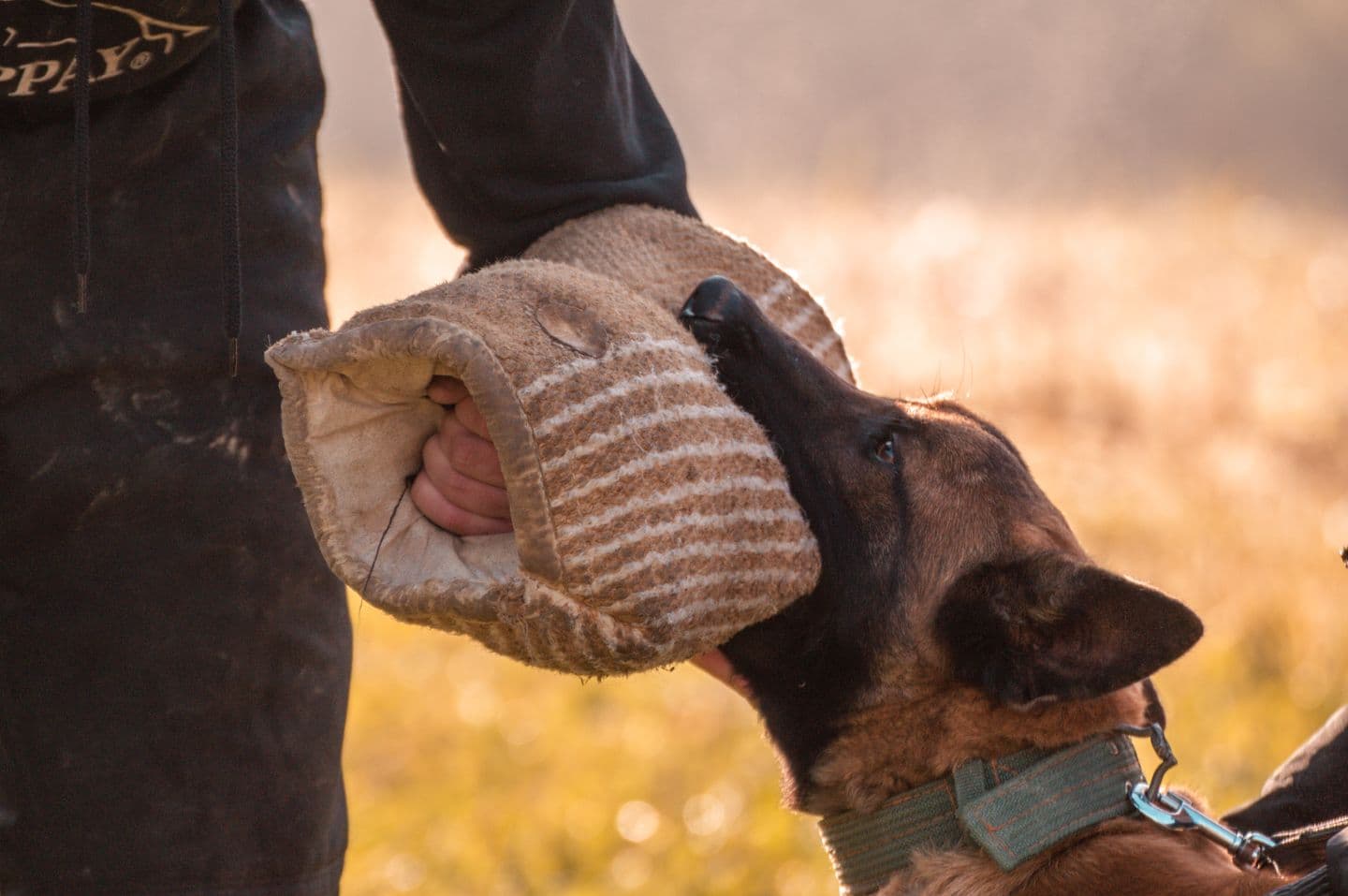
Bite inhibition, a dog's ability to control the pressure of their mouth, is one of the most important skills any dog can learn. It is the difference between a startled nip that causes no harm and a bi
Bite inhibition, a dog's ability to control the pressure of their mouth, is one of the most important skills any dog can learn. It is the difference between a startled nip that causes no harm and a bite that causes real injury.
Why It Matters So Much
Every dog has the potential to bite if frightened or in pain enough. A dog with well developed bite inhibition, even if they do bite in a rare, extreme situation, is far less likely to cause serious injury, because they have learned to control their jaw pressure.
The Best Window for Teaching It
Puppies naturally learn some bite inhibition from their mother and littermates before eight weeks of age. Continued teaching by the new owner through the following months, ideally complete by around five months old, reinforces and refines this critical skill.
The Basic Method
When your puppy bites too hard during play, say a clear, calm ouch and immediately stop the interaction, removing your hand or attention for around thirty seconds before resuming. This mirrors exactly how a puppy learns from littermates, who yelp and stop playing when bitten too hard.
Gradually Raise the Bar
Once your puppy consistently bites more gently, begin responding the same way to the next level of pressure, gradually shaping them toward an increasingly gentle mouth over several weeks.
Teaching a Gentle Mouth Around Food Too
Hold a treat pinched gently between your fingers, only releasing it once your puppy takes it softly rather than grabbing. This builds a consistently gentle mouth in another everyday context.
What Not to Do
Avoid punishing with pain, scruffing, or shouting, which can teach a puppy to fear handling or hands specifically, potentially making bite risk worse rather than better in the long run.
Teaching Bite Inhibition to an Adult Dog
This is considerably harder than in puppyhood, though not impossible with patient, consistent work, ideally guided by a certified trainer, particularly for a dog who missed this learning window entirely, such as some rescued street dogs separated from their mother very young.
A Skill for Life, Not Just Puppyhood
Periodic gentle mouthing games throughout a dog's life, with occasional reinforcement of a soft mouth, help maintain this valuable skill well into adulthood.
Bite Inhibition Between Dogs in the Same Home
Puppies and young dogs also continue to refine bite inhibition through supervised play with other resident dogs, who naturally correct overly hard mouthing with a yelp or a pause in play, much like a mother would. Supervise these interactions and step in only if play looks genuinely one sided or overly intense, since some rough and tumble corrective feedback between familiar, well matched dogs is a normal and useful part of this ongoing learning.
Bite Inhibition Around Visiting Children
A dog with well established bite inhibition is considerably safer during the inevitable moments an excited child gets too close or handles them clumsily. This is one more reason the skill is worth prioritising early, well before a boisterous young visitor ever tests it unintentionally.
Beyond the familiar Great Dane and Saint Bernard, a number of large, calm breeds carry the same gentle-giant temperament without quite the same name recognition. Most remain genuinely rare in India, b
A once-bouncy dog that suddenly seems flat, uninterested in walks, and withdrawn from the family is unsettling to watch, and the question that naturally follows is whether dogs can actually feel somet
A healthy dog isn't just a contented one; they're more playful, more energetic and more emotionally settled. As their owner, you're the biggest factor in how well your dog thrives, day in and day out.