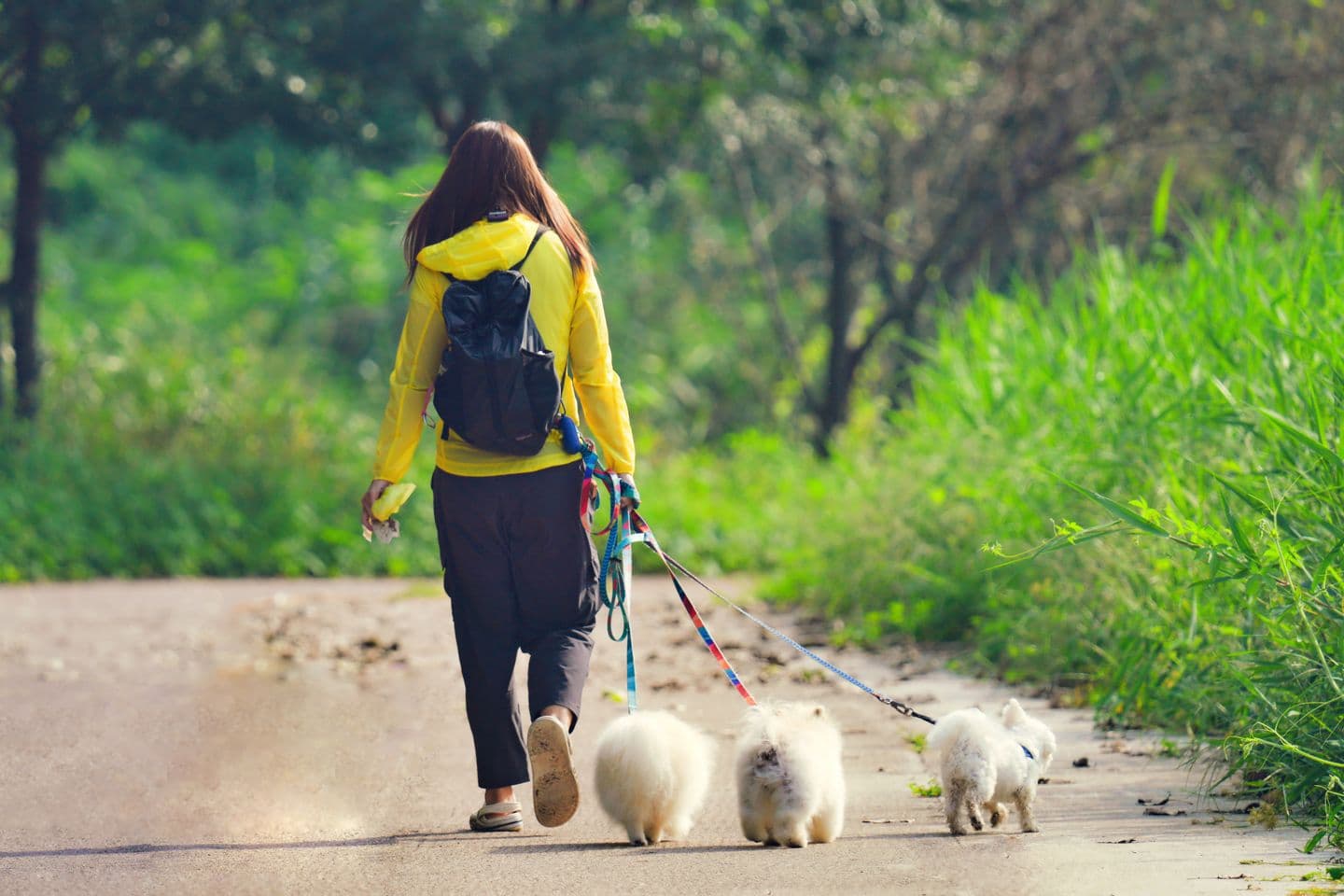
Loose Leash Walking Made Easy: Train Your Dog to Stay by Your Side
A dog who walks calmly beside you, rather than dragging you down the street, transforms daily walks from a wrestling match into genuine enjoyment, and it is entirely trainable with patience and consis
A dog who walks calmly beside you, rather than dragging you down the street, transforms daily walks from a wrestling match into genuine enjoyment, and it is entirely trainable with patience and consistency.
Start Indoors or in a Quiet Space
Begin training somewhere free of major distractions, whether that is a hallway, a terrace, or a quiet society compound, before attempting a busy street.
The Stop and Go Method
The moment the leash goes tight, stop walking completely and wait. Only resume the moment the leash slackens again, even if that means standing still for a while at first. Your dog quickly learns that pulling gets them nowhere, while a loose leash keeps the walk moving.
Reward Position, Not Just Compliance
Reward your dog frequently for simply walking near your side with a loose leash, rather than only correcting for pulling. This builds a genuine preference for staying close rather than simply avoiding a consequence.
Change Direction Unpredictably
Randomly turning and walking the other way whenever your dog gets ahead of you teaches them to keep checking in and matching your pace, since they never know exactly when you might change course.
Use the Right Equipment
A front clip harness reduces pulling power and protects the neck and trachea far better than a flat collar on a strong puller, and gives you an extra measure of control on busy Indian streets.
Managing Real World Distractions
Indian streets bring constant distractions, other dogs, food stalls, two wheelers, and interesting smells. Practise around low level versions of these distractions first, at a distance your dog can handle, before working up to the busiest routes.
Patience Pays Off
Loose leash walking typically takes weeks of consistent practice, not days. Short, frequent training walks, alongside a longer regular walk purely for exercise, speed up progress without turning every outing into a training session.
Training Around India's Heat
Peak summer afternoons are a poor time to train new leash skills, since a hot, uncomfortable dog struggles to focus. Schedule training walks for early morning or evening, and keep sessions shorter on especially humid days, saving the more demanding, focus heavy practice for cooler weather.
Combining Loose Leash Practice With a Long Line
Once basic loose leash walking is solid on a standard leash, a long line in a safe, open space lets a dog practise checking in and maintaining slack even with significantly more room to roam, bridging the gap toward eventual off leash reliability for those who want it.
Beyond the familiar Great Dane and Saint Bernard, a number of large, calm breeds carry the same gentle-giant temperament without quite the same name recognition. Most remain genuinely rare in India, b
A once-bouncy dog that suddenly seems flat, uninterested in walks, and withdrawn from the family is unsettling to watch, and the question that naturally follows is whether dogs can actually feel somet
A healthy dog isn't just a contented one; they're more playful, more energetic and more emotionally settled. As their owner, you're the biggest factor in how well your dog thrives, day in and day out.