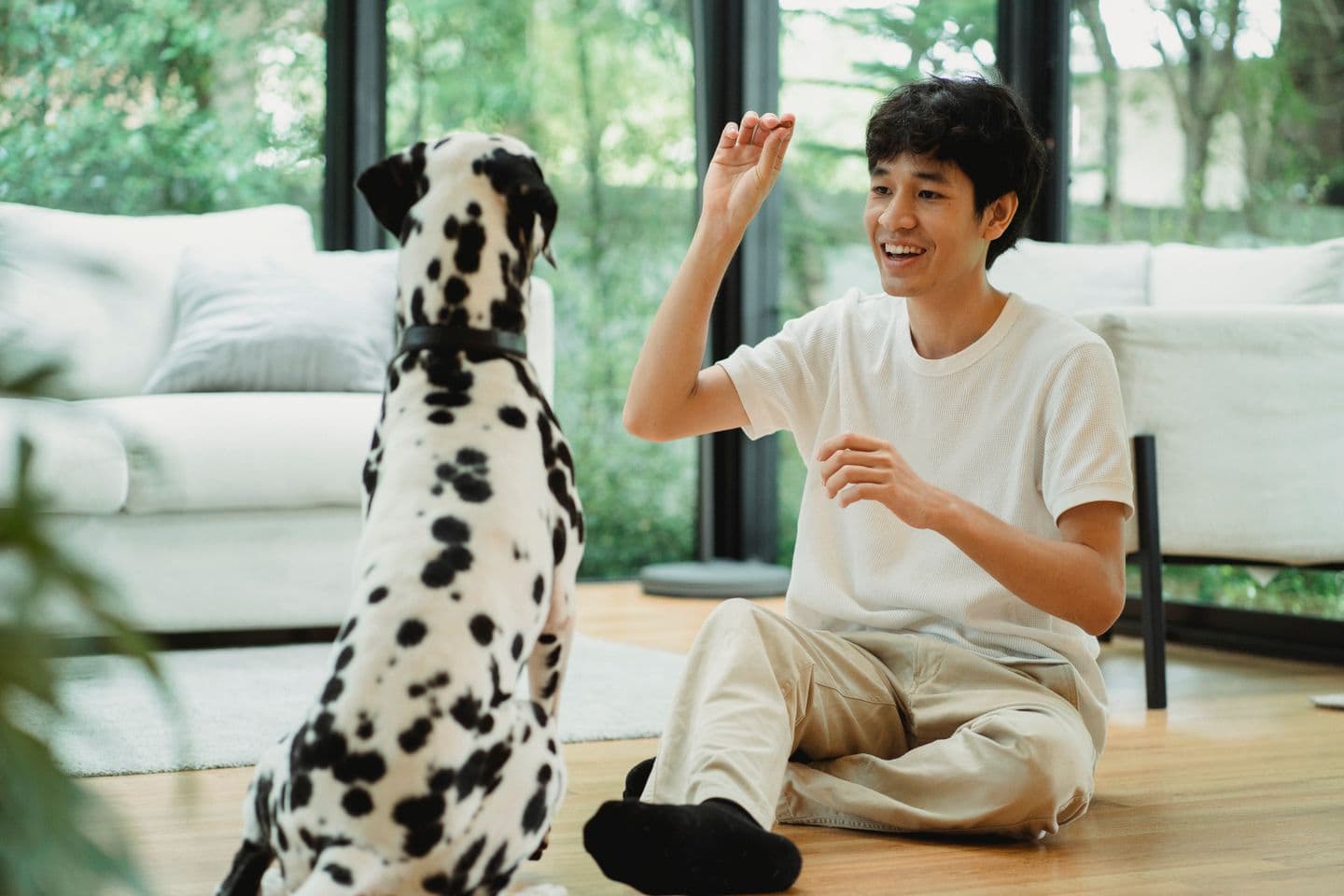
Socialising Your New Dog Is So Important: Here Is How to Do It
Good socialisation shapes how a dog experiences the world for the rest of their life. Done thoughtfully, it builds a confident, adaptable dog who takes new people, places, and situations in their stri
Good socialisation shapes how a dog experiences the world for the rest of their life. Done thoughtfully, it builds a confident, adaptable dog who takes new people, places, and situations in their stride.
The Critical Window for Puppies
Puppies are most receptive to new experiences between roughly three and fourteen weeks of age, a window where positive exposure has an outsized effect on adult temperament. This does not mean socialisation stops after this age, but early positive experiences matter enormously.
Quality Over Quantity
A calm, positive introduction to a new person, sound, or surface matters far more than the sheer number of experiences crammed in. A single overwhelming or frightening encounter can do more harm than many good ones do good, so go at your dog's pace rather than rushing to tick off a checklist.
What to Expose a Puppy or New Dog To
A range of people, different ages, genders, and appearances, always meeting calmly and on the dog's terms
Everyday household sounds, from a pressure cooker whistle to a vacuum cleaner
Different surfaces, textures, and environments, from tile to grass to a car ride
Calm, controlled introductions to other vaccinated, friendly dogs
Socialising an Adult Rescue Dog
Older dogs, particularly rescued street dogs with limited early exposure, can still build confidence through socialisation, though progress is typically slower and needs more patience. Go at a pace the dog can handle, keeping every new experience firmly on the positive side of manageable.
Avoiding Common Mistakes
Never force an interaction a dog is clearly uncomfortable with
Do not flood a fearful dog with an overwhelming number of new things in one outing
Always pair new experiences with something positive, such as treats or a favourite toy
Socialising Safely in an Indian Context
Wait until your vet confirms your puppy has adequate vaccination coverage before introducing them to unfamiliar dogs or public spaces with heavy street dog traffic, to reduce disease risk during this vulnerable early period.
Socialisation Does Not End at Puppyhood
Continue exposing your dog to new places, sounds, and situations well into adulthood, even once the critical early window has closed. A dog who only ever sees the same small handful of environments can grow less adaptable over time, while regular, varied, positive outings help maintain confidence throughout life.
Puppy Classes and Meetups
A growing number of Indian cities now have puppy socialisation classes and organised meetups through trainers, pet cafes, or online pet communities. These offer a controlled, safer alternative to unstructured street encounters for building a young dog's confidence around other dogs.
Beyond the familiar Great Dane and Saint Bernard, a number of large, calm breeds carry the same gentle-giant temperament without quite the same name recognition. Most remain genuinely rare in India, b
A once-bouncy dog that suddenly seems flat, uninterested in walks, and withdrawn from the family is unsettling to watch, and the question that naturally follows is whether dogs can actually feel somet
A healthy dog isn't just a contented one; they're more playful, more energetic and more emotionally settled. As their owner, you're the biggest factor in how well your dog thrives, day in and day out.