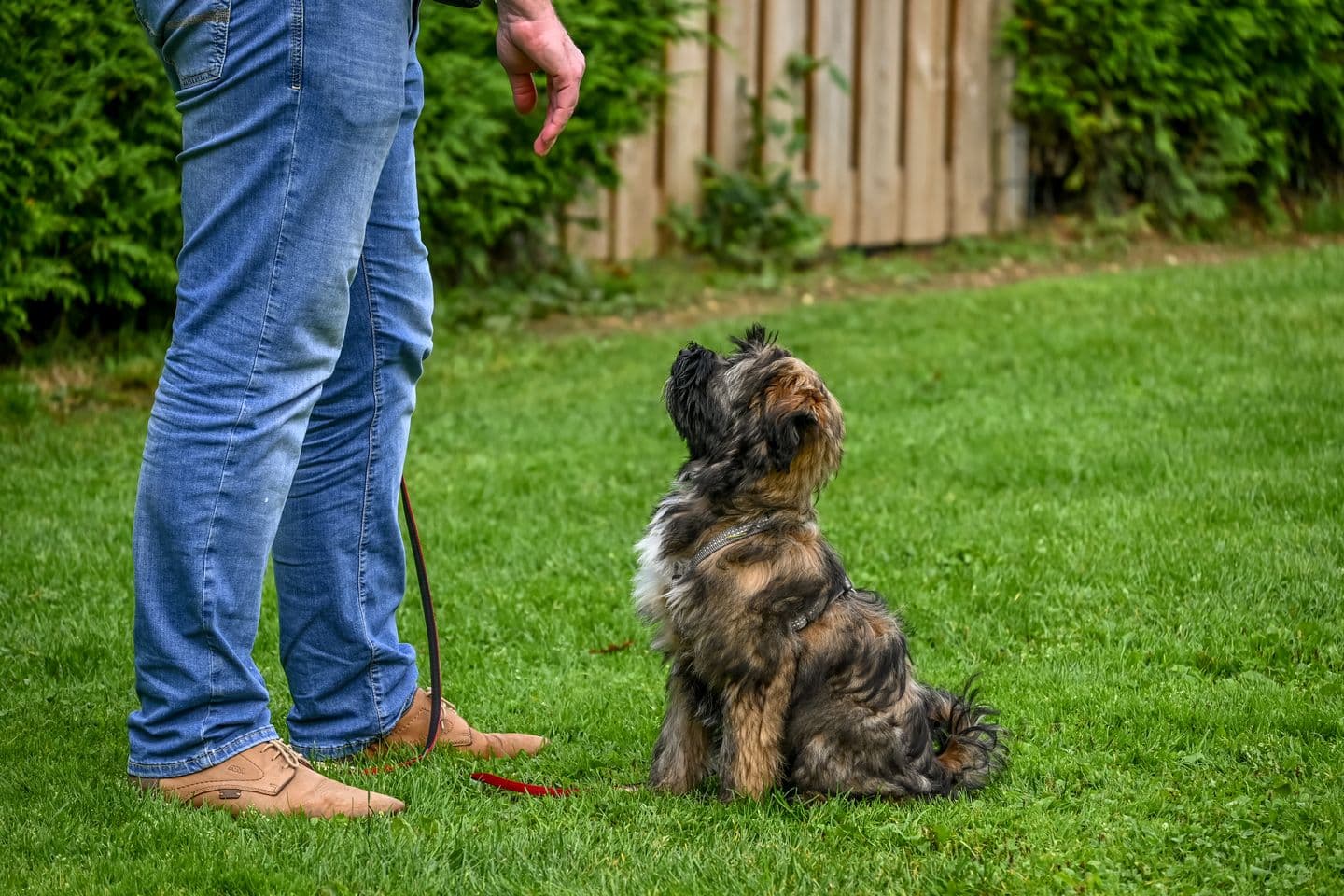
A dog and a child can build a wonderful, lifelong bond, but that bond depends entirely on careful management and clear boundaries, especially in the early stages of the relationship.
A dog and a child can build a wonderful, lifelong bond, but that bond depends entirely on careful management and clear boundaries, especially in the early stages of the relationship.
Never Leave Them Unsupervised Together
This is the single most important rule, regardless of how gentle a dog seems. Most bites involving children happen during moments of unsupervised interaction, often during behaviour an adult would have recognised as risky.
Teach Children Dog Appropriate Behaviour
No hugging, climbing on, or lying on top of the dog
No approaching a dog who is eating, sleeping, or has a toy
No pulling ears, tail, or fur
Let the dog approach them, rather than always reaching for the dog first
Teach the Dog to Be Comfortable Around Children
Gradual, positive exposure to children's noise, movement, and behaviour, always well managed and never overwhelming, helps a dog build genuine comfort rather than mere tolerance.
Give the Dog an Escape Route
A crate, a baby gate, or a designated room gives a dog somewhere to retreat when they need a break from a busy, noisy household, and this space should always be respected as off limits to children.
Recognise Early Warning Signs
Whale eye, a stiff body, turning away, or lip licking during interaction with a child are all signals that the dog needs space, well before a growl or snap. Step in calmly at this stage rather than waiting for a more obvious warning.
Involve Children in Positive Dog Care
Age appropriate involvement, like helping with feeding or a training session under supervision, builds a healthier, more respectful relationship than unstructured, unsupervised play alone.
Special Considerations for Indian Joint Families
Homes with visiting or resident grandparents, cousins, and a steady stream of young relatives during festivals need extra vigilance, since a dog may be less familiar with certain children than with the immediate household. Brief every new young visitor on the same basic ground rules before they interact with the dog.
Signs a Meeting Should End Immediately
Stiffening, whale eye, a closed mouth after previously being relaxed, or the dog repeatedly trying to move away are all signals to calmly separate the dog and child right away, well before a growl. Ending an interaction early and calmly, with no drama attached, keeps both the child and the dog's experience of each other positive over time.
A Broader Life Skill for Children
Beyond rules for the family dog, teaching children to always ask an owner before approaching or petting any unfamiliar dog is a broader safety habit that protects them well beyond your own home, including with neighbours' pets, street dogs, and dogs encountered while travelling.
Beyond the familiar Great Dane and Saint Bernard, a number of large, calm breeds carry the same gentle-giant temperament without quite the same name recognition. Most remain genuinely rare in India, b
A once-bouncy dog that suddenly seems flat, uninterested in walks, and withdrawn from the family is unsettling to watch, and the question that naturally follows is whether dogs can actually feel somet
A healthy dog isn't just a contented one; they're more playful, more energetic and more emotionally settled. As their owner, you're the biggest factor in how well your dog thrives, day in and day out.