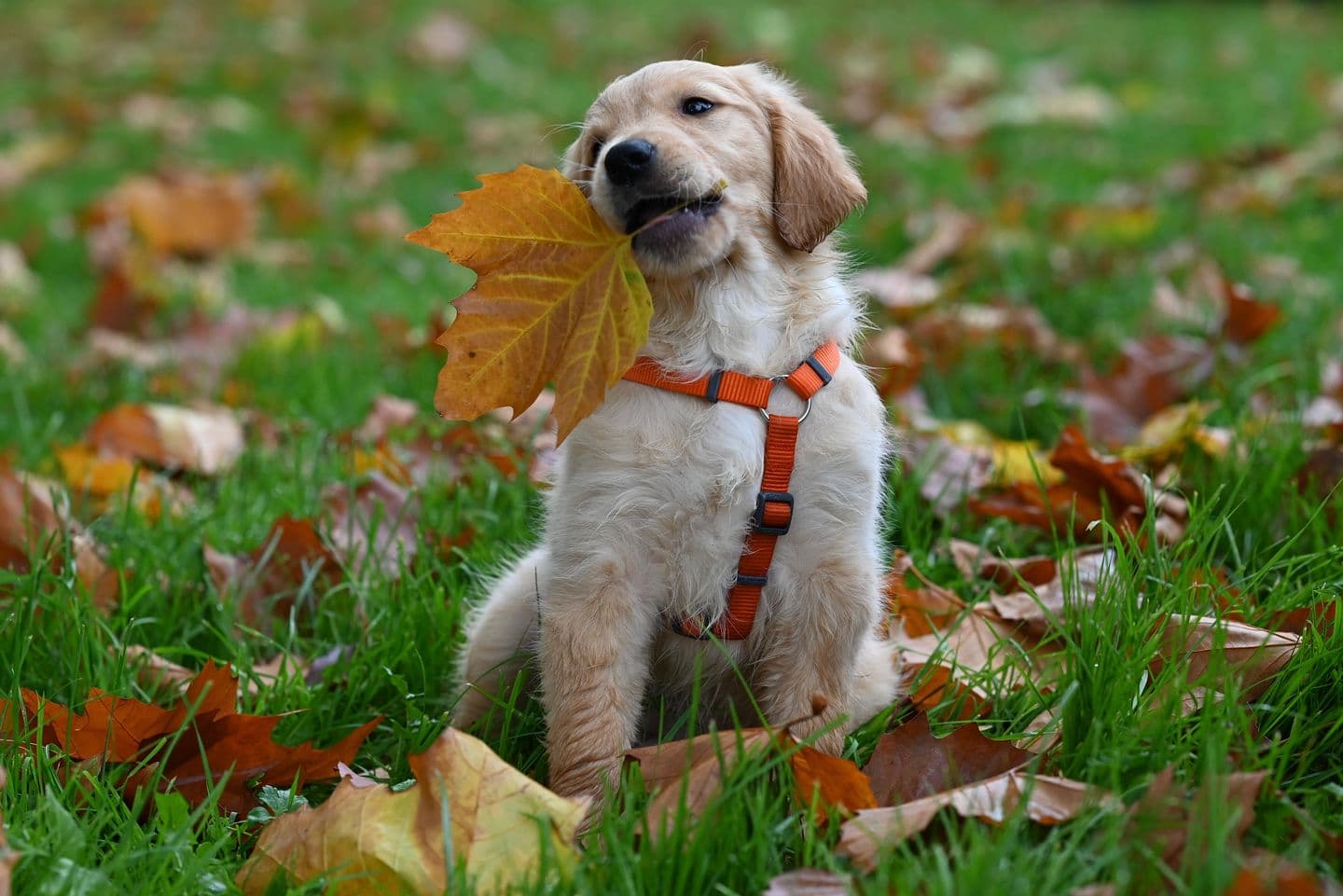
Bringing a new puppy home is exciting for everyone, and toilet training is usually the very first lesson you'll tackle together.
Getting Off to a Good Start
Rather than giving your puppy free run of the whole house immediately, introduce them gradually to a smaller area first, such as the kitchen — a brand-new, unfamiliar space can be overwhelming otherwise. Choosing a room with easy access to the back garden from the start also makes things simpler.
Puppies thrive on routine, so building a consistent daily schedule around meals, drinking and sleeping from day one will make toilet training much smoother for both of you. Keep in mind your puppy is still developing physically, mentally and emotionally until somewhere between 18 months and two years old (smaller breeds mature physically sooner) — but toilet training is one of the first things you can teach regardless.
What Age Can a Puppy Be Toilet Trained?
Bladder control improves significantly from around 12 weeks, which is when accidents indoors should start to become less frequent. In the meantime, you can begin training so your puppy starts learning the process and succeeding some of the time. Patience and consistency are essential. Always praise your puppy when they get it right — they're naturally eager to please, so positive reinforcement goes a long way.
Feeding and Its Role in Training
Up to six months of age, puppies should eat three meals a day — morning, midday and evening — which supports healthy digestion and a more predictable toilet schedule. Their last meal of the day should come at least three hours before the household's bedtime, and they should always be taken outside right before settling down for the night.
Most puppies can go around seven hours overnight without needing the toilet. During the day, though, and first thing after waking, get your puppy outside as quickly as possible. Watching their behaviour closely will speed the whole process along.
Key Times to Take Your Puppy Out
After waking up, whether from a nap or a full night's sleep
After meals
After drinks
After play or excitement
Spotting the Signs
Circling, sniffing or crouching are the classic tells. The moment you notice this, head briskly to the garden, encouraging your puppy to follow. Always use the same spot outside — the familiar scent helps prompt them to go. When they do, praise them enthusiastically.
Consistency Is Everything
Don't make a fuss over indoor accidents — simply clean up and move on without scolding, since puppies learn faster through praise than punishment. If you'll be out for more than an hour, leave newspaper or a puppy training pad near the back door; since that's the spot your puppy already associates with going outside, it reinforces the training. Feeding a few hours before you leave, and limiting water beforehand, also helps.
How Much Water Does My Puppy Need?
A rough guideline is 60ml per pound of body weight per day. On hot days or after extra exercise, they may need more — dropping an ice cube in their water bowl is a handy trick to help them cool down. Remember, puppies are less able to regulate their body temperature than adult dogs.
Realistic Timelines
Full house training typically takes a couple of months, though you'll notice improvement almost immediately. Crate training can be a genuinely effective tool here, since it reinforces the natural eat-drink-eliminate-sleep cycle.
Crate Training Tips
Always remove your puppy's collar before leaving them alone in the crate — it's a safety hazard otherwise.
Leave the crate door open during the day so your puppy can come and go freely.
Keep their bed in the crate both day and night, so they naturally gravitate there to rest.
The crate should feel like their safe space — somewhere they choose to go, not somewhere they're forced into.
Encourage voluntary use with favourite treats, toys and teething sticks kept specially for crate time.
Try saying "into bed" while pointing at the crate and tossing in a treat, and add their favourite blanket and toy too.
Never approach or put your hands into the crate while your puppy is resting there — this preserves it as a genuine safe haven.
Call your puppy out when needed, so leaving the crate is always their decision.
Use the crate consistently to support your puppy's daily routine of eating, drinking, toileting and sleeping. With plenty of praise for every success, toilet training will soon be one more milestone ticked off on the road to a happy life with your dog.
Beyond the familiar Great Dane and Saint Bernard, a number of large, calm breeds carry the same gentle-giant temperament without quite the same name recognition. Most remain genuinely rare in India, b
A once-bouncy dog that suddenly seems flat, uninterested in walks, and withdrawn from the family is unsettling to watch, and the question that naturally follows is whether dogs can actually feel somet
A healthy dog isn't just a contented one; they're more playful, more energetic and more emotionally settled. As their owner, you're the biggest factor in how well your dog thrives, day in and day out.