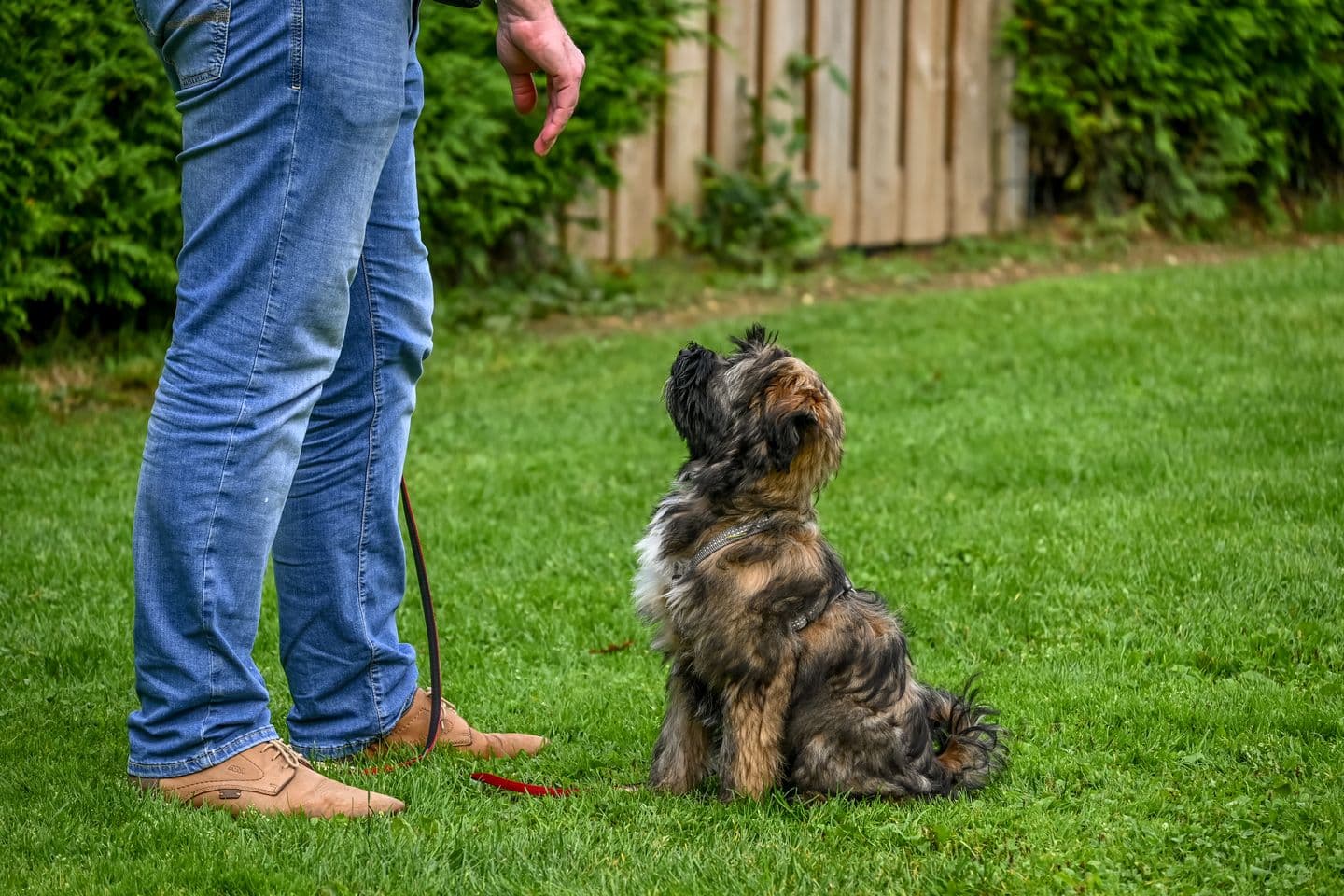
"Drop it" is easily confused with "leave it," but they solve different problems. Leave it stops your dog from picking something up in the first place. Drop it asks your dog to release something alread
"Drop it" is easily confused with "leave it," but they solve different problems. Leave it stops your dog from picking something up in the first place. Drop it asks your dog to release something already in their mouth, which in Indian streets and parks is a far more frequent situation than owners expect.
Why this command earns its place
On a typical walk, a dog might come across a discarded chicken bone from a street stall, a dead lizard, a firecracker shell left over from a festival, or simply a rubbish scrap. Chasing your dog around trying to pry their mouth open rarely works and often teaches them to run off with whatever they have found, since it becomes a game. A trained "drop it" removes the standoff entirely.
The trade up method
Start indoors with two identical toys. When your dog is holding one, show them the second toy and say "drop it." Most dogs will let go of the first toy to grab the second, since the trade feels natural rather than like a loss. The moment they release, mark, let them take the second toy, and praise warmly. Practise until your dog releases items readily in exchange for another reward.
Adding food rewards and real objects
Once the toy trade is solid, practise with a treat as the trade item instead, since you will not always have a spare toy on hand outdoors. Gradually introduce slightly higher value items your dog is holding, always trading up rather than taking something away for nothing, which keeps your dog willing to give things up on request rather than guarding them.
What never to do
Never chase a dog that has picked something up, since this almost always turns into a game of keep away.
Never physically pry a dog's jaw open as a first response, since this can trigger defensive biting even in an otherwise gentle dog.
If your dog has swallowed something dangerous rather than dropping it, contact your vet immediately rather than continuing to try the cue.
Beyond the familiar Great Dane and Saint Bernard, a number of large, calm breeds carry the same gentle-giant temperament without quite the same name recognition. Most remain genuinely rare in India, b
A once-bouncy dog that suddenly seems flat, uninterested in walks, and withdrawn from the family is unsettling to watch, and the question that naturally follows is whether dogs can actually feel somet
A healthy dog isn't just a contented one; they're more playful, more energetic and more emotionally settled. As their owner, you're the biggest factor in how well your dog thrives, day in and day out.