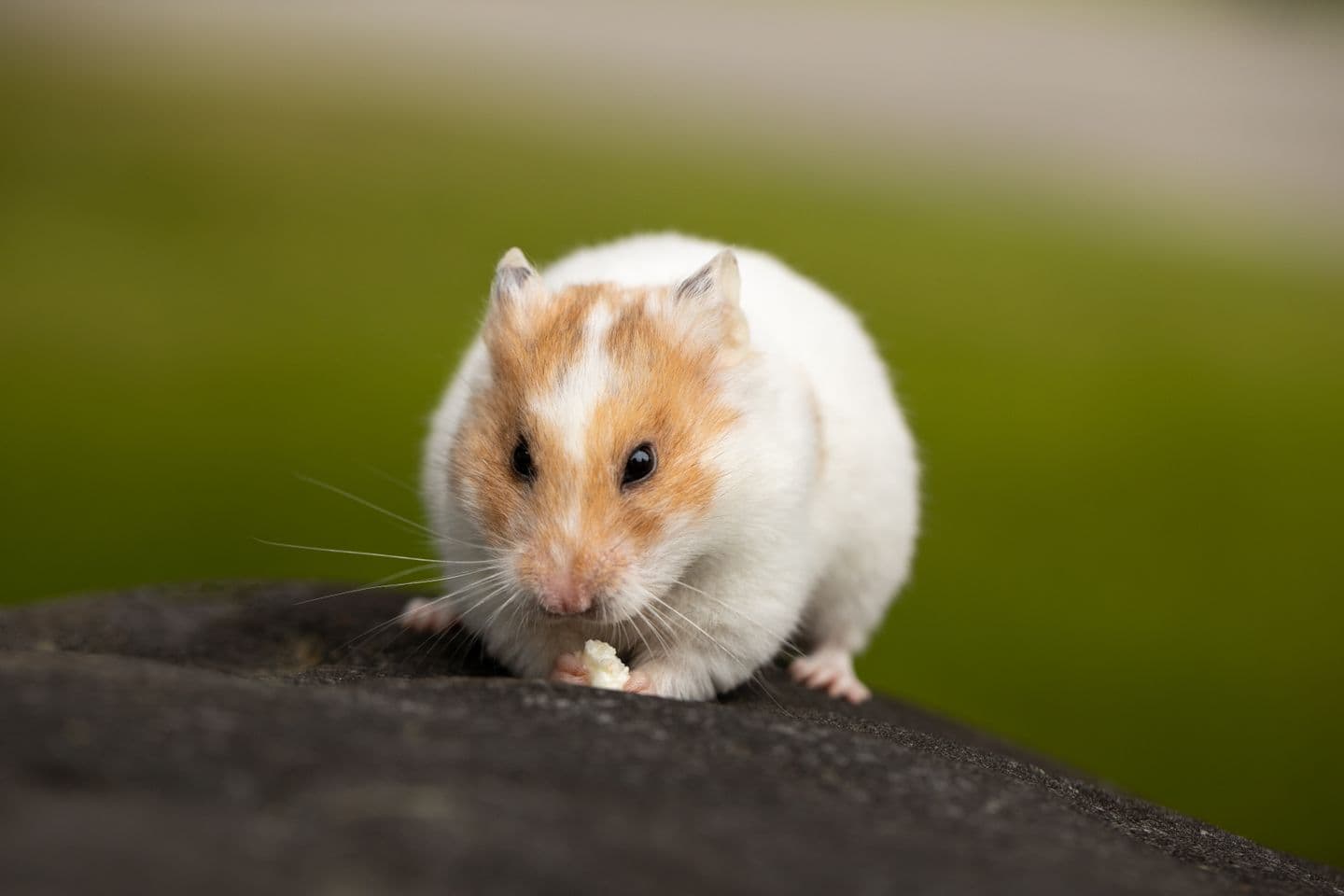
Hamsters have expandable cheek pouches that help them collect food and transport it to their nests. These pouches are an important adaptation for animals that naturally store food.
Hamsters have expandable cheek pouches that help them collect food and transport it to their nests. These pouches are an important adaptation for animals that naturally store food.
Although full cheeks are perfectly normal, persistent swelling or difficulty emptying the pouches may indicate a medical problem.
Understanding cheek pouches
Hamsters have two cheek pouches extending from the mouth towards the shoulders. They can expand considerably when filled with food.
Hamsters frequently collect food from their feeding bowls and carry it to their sleeping areas. This behaviour is normal.
Common cheek pouch problems
Food impaction: Food becomes lodged inside a pouch and cannot be emptied normally.
Injury: Sharp food particles or foreign objects may damage the delicate lining.
Abscesses: Infection can cause painful swelling and accumulation of pus.
Prolapse: The inner lining of the pouch may turn inside out and protrude through the mouth.
Tumours: Less commonly, growths can affect the pouch or surrounding tissues.
Warning signs
Seek veterinary attention if you observe:
Persistent swelling on one or both sides.
One cheek remaining unusually enlarged.
Difficulty emptying the pouches.
Excessive salivation.
Repeated pawing at the mouth.
Bleeding or discharge.
Reduced appetite.
Difficulty swallowing.
A hamster carrying food temporarily is normal. Persistent swelling is not.
What should owners do?
Arrange an examination with an exotic-pet veterinarian.
The veterinarian may need to inspect the pouch, remove impacted material or investigate infection and other underlying problems.
Never insert tweezers or fingers into the pouch, squeeze a swollen cheek or attempt to remove lodged food yourself.
Prevention
Provide appropriately sized hamster food.
Avoid sticky foods and unsuitable large food pieces.
Remove sharp objects from the enclosure.
Avoid cotton wool and fluffy synthetic nesting materials.
Inspect stored food and remove spoiled material.
Maintain good enclosure hygiene.
The takeaway: Food storage is natural hamster behaviour. Persistent swelling, injury or difficulty emptying a cheek pouch requires veterinary attention.
Hamsters have teeth that grow continuously throughout their lives. Their incisors must wear down naturally through normal eating and chewing. When this process is disrupted, dental problems can develo
A hamster's skin and coat provide useful clues about its health. Occasional scratching and grooming are normal. However, persistent itching, hair loss, scabs and irritated skin may indicate an underly
Dwarf hamsters are sometimes described as social animals because certain species may tolerate living in compatible same-sex groups. However, this does not mean that they need companions or will always