Ingredient Decoded / Antioxidants And Cellular Protection
Beta-Carotene
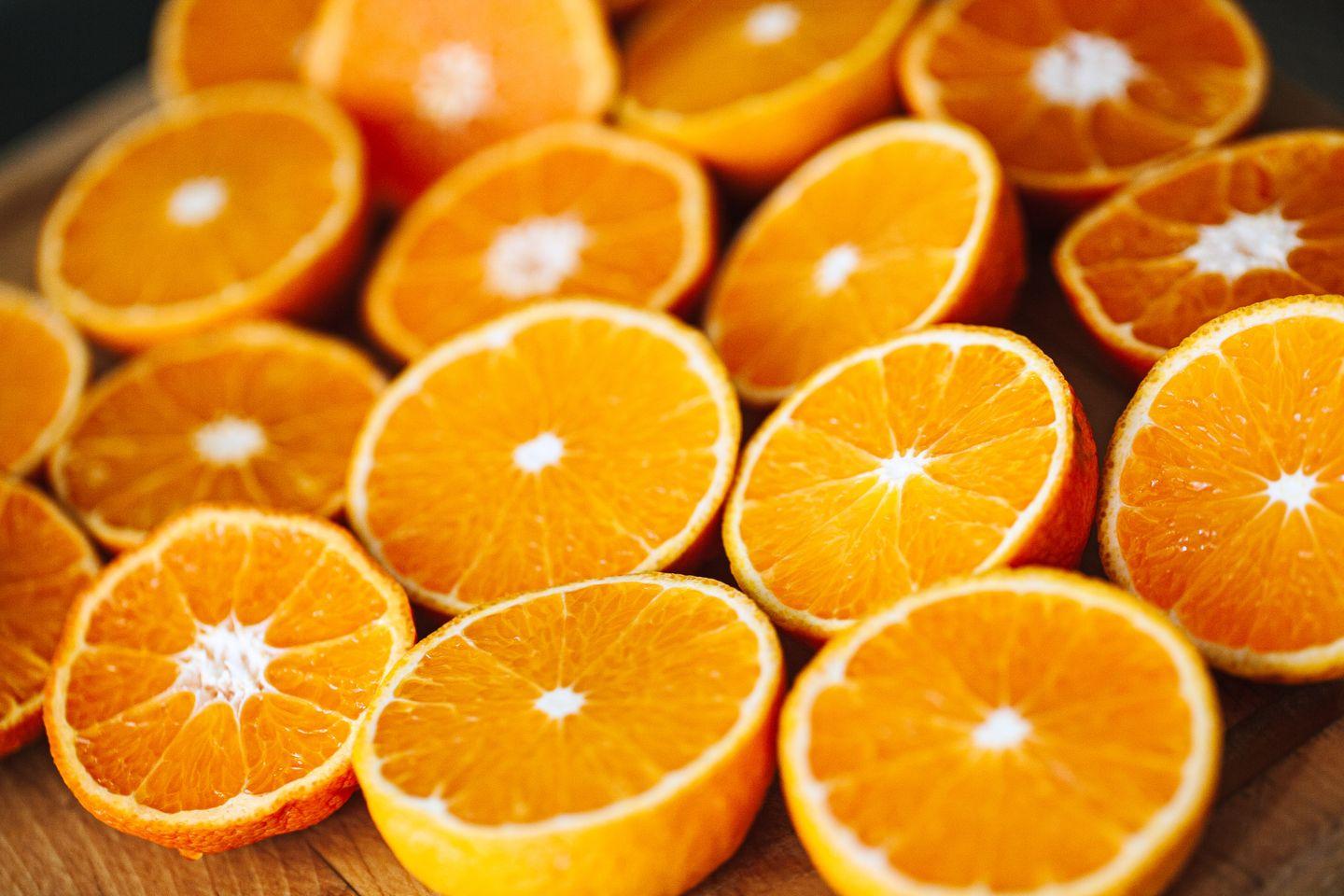
Beta-carotene is a plant pigment found in orange, yellow and dark-green vegetables. It is a provitamin A carotenoid, meaning that some animals can convert it into vitamin A. The efficiency…
Beta-carotene is a plant pigment found in orange, yellow and dark-green vegetables. It is a provitamin A carotenoid, meaning that some animals can convert it into vitamin A. The efficiency of this conversion differs between species.
Why is vitamin A important?
Vitamin A supports vision, immune function, growth, reproduction and the maintenance of epithelial tissues. Dogs can use beta-carotene as a source of vitamin A. Cats, however, have a very limited capacity to convert beta-carotene into retinol.
An important distinction for cats
It is inaccurate to say that cats cannot convert beta-carotene at all. Research has demonstrated that cats can convert a small amount. The conversion is too inefficient to meet their vitamin A requirement, however. Cats therefore need preformed vitamin A from animal-derived ingredients or an appropriately formulated diet.
Use in dogs
Beta-carotene may contribute to vitamin A nutrition in dogs, depending on the diet and formulation. It is also studied for antioxidant activity. This does not establish that additional beta-carotene prevents cancer, boosts immunity or treats disease.
Use in cats
Beta-carotene must not be used as a substitute for preformed vitamin A in cat food. A complete feline diet must supply vitamin A in a usable form. Supplementation should be guided by a veterinary nutrition professional.
Can pets have too much vitamin A?
Yes. Excess preformed vitamin A can be toxic, particularly when pets receive inappropriate supplements or large amounts of certain animal tissues over time. Do not add human vitamin A products to a pet's diet.
The takeaway
Beta-carotene is a provitamin A carotenoid, but its nutritional value differs by species. Dogs can convert it; cats convert only a small amount and require preformed vitamin A. It is not a universal substitute for vitamin A or a proven disease-prevention supplement.
Green AS, Fascetti AJ. Meeting the vitamin A requirement: the efficacy and importance of beta-carotene in animal species. Scientific World Journal. 2012;2012:1–9. PMID: 21797934.
National Research Council. Nutrient Requirements of Dogs and Cats. National Academies Press, 2006.
Beta-cryptoxanthin is a naturally occurring carotenoid present in foods such as citrus fruits, peppers and some plant materials. In some species it can be converted to vitamin A, but…
1 min read
Ingredient Decoded / Antioxidants And Cellular Protection
Opening. Resveratrol is a plant-derived polyphenol found in the skin of grapes, berries and certain other plants. It has attracted research interest because of its effects on oxidative and…
2 min read
Ingredient Decoded / Antioxidants And Cellular Protection
Hesperidin is a citrus flavanone glycoside found particularly in sweet orange and related citrus peels. It has been studied for antioxidant and vascular effects, but most evidence comes from…