Ingredient Decoded / Antioxidants And Cellular Protection
Beta-Cryptoxanthin
Beta-cryptoxanthin is a naturally occurring carotenoid present in foods such as citrus fruits, peppers and some plant materials. In some species it can be converted to vitamin A, but…
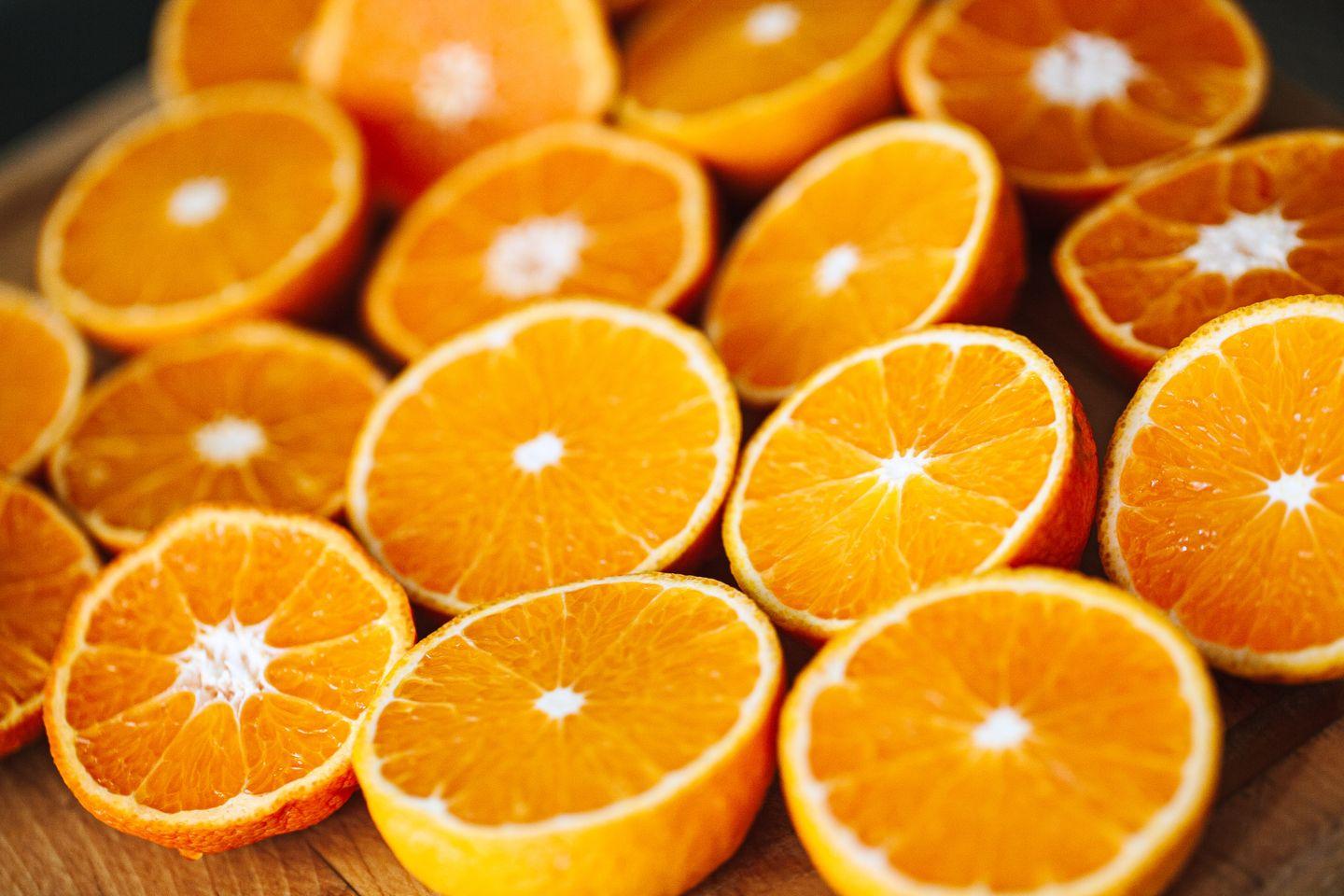
Beta-cryptoxanthin is a naturally occurring carotenoid present in foods such as citrus fruits, peppers and some plant materials. In some species it can be converted to vitamin A, but conversion is not a dependable way to meet a cat’s vitamin A requirement. Cats need preformed vitamin A in the diet. There is no established requirement for beta-cryptoxanthin as a separate nutrient in dogs or cats, and pet-specific clinical evidence for supplemental benefits is limited. Its presence in an ingredient does not justify claims that it improves vision or prevents disease.
References: Merck Veterinary Manual, dog and cat nutrition; Green AS et al. (2012), feline vitamin A metabolism, PMID 21797934; NRC, Nutrient Requirements of Dogs and Cats (2006).
Beta-carotene is a plant pigment found in orange, yellow and dark-green vegetables. It is a provitamin A carotenoid, meaning that some animals can convert it into vitamin A. The efficiency…
2 min read
Ingredient Decoded / Antioxidants And Cellular Protection
Opening. Resveratrol is a plant-derived polyphenol found in the skin of grapes, berries and certain other plants. It has attracted research interest because of its effects on oxidative and…
2 min read
Ingredient Decoded / Antioxidants And Cellular Protection
Hesperidin is a citrus flavanone glycoside found particularly in sweet orange and related citrus peels. It has been studied for antioxidant and vascular effects, but most evidence comes from…