Ingredient Decoded / Botanical And Herbal Ingredients
Licorice Root
Licorice root is obtained mainly from Glycyrrhiza glabra and related species. It contains glycyrrhizin and other compounds and is used in traditional preparations. In pet supplements it may…
Licorice root is obtained mainly from Glycyrrhiza glabra and related species. It contains glycyrrhizin and other compounds and is used in traditional preparations. In pet supplements it may be marketed for digestive, respiratory or anti-inflammatory support.
Glycyrrhizin can produce mineralocorticoid-like effects, including sodium and water retention, potassium loss and increased blood pressure. These effects are well described in other species, but safe exposure limits for concentrated licorice extracts in dogs and cats are not established. Deglycyrrhizinated licorice (DGL) is a different preparation, but its safety and efficacy in pets also require evidence.
Licorice should not be used as a home treatment for ulcers, coughs or inflammatory disease. It may interact with corticosteroids, diuretics and medicines affecting blood pressure or potassium. Ask a veterinarian before using it, especially for pets with heart, kidney or endocrine conditions.
Dandelion (Taraxacum officinale) is a common plant whose leaves and roots are used in foods and herbal preparations. Root products contain inulin and other plant compounds, while leaves…
1 min read
Ingredient Decoded / Botanical And Herbal Ingredients
Valerian root is obtained from Valeriana officinalis. It contains several compounds, including valerenic acids, and is traditionally used in human products intended to support sleep or…
1 min read
Ingredient Decoded / Botanical And Herbal Ingredients
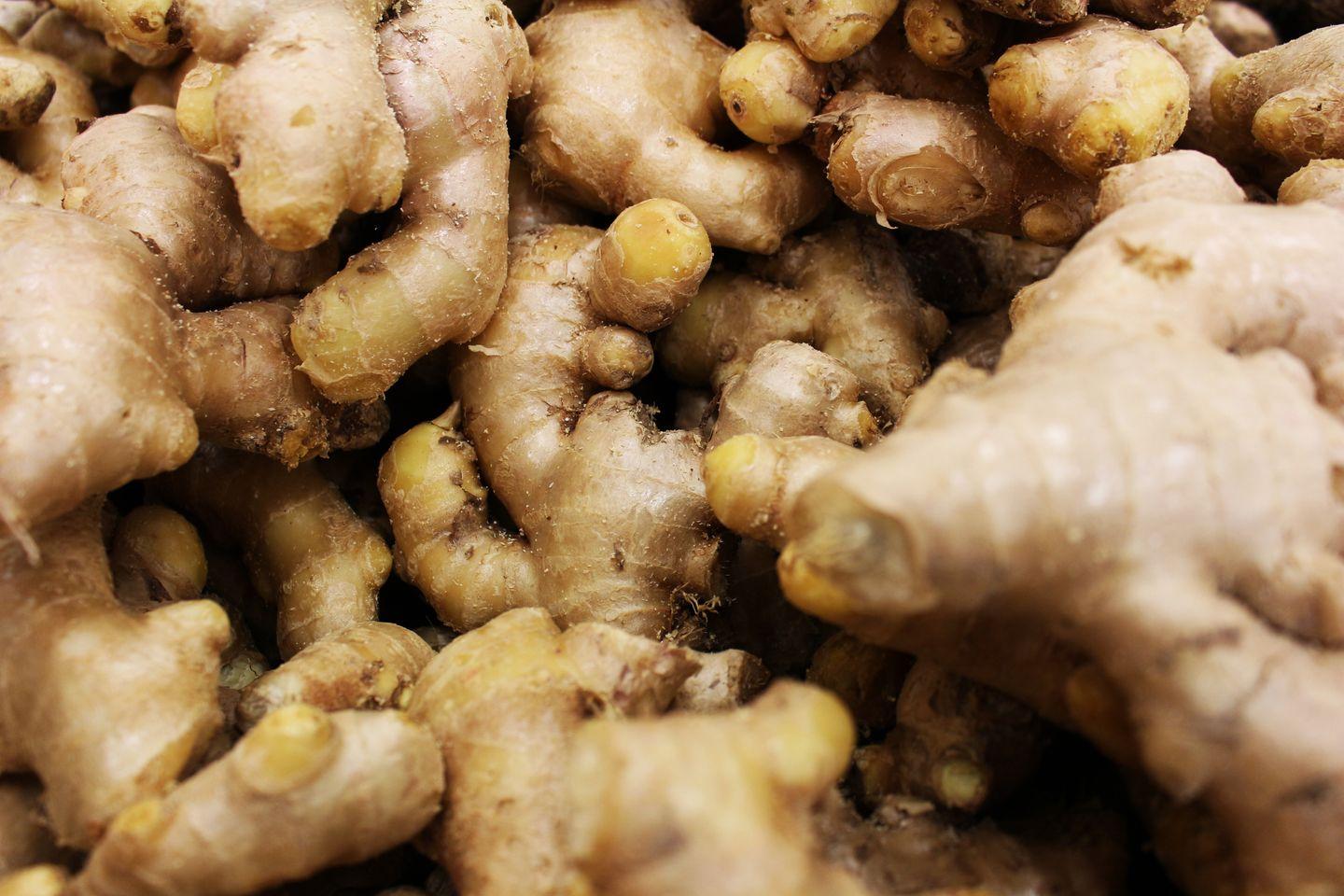
Ginger (Zingiber officinale) is a widely used culinary root. It contains naturally occurring compounds, including gingerols and shogaols, which have been studied for their effects on…