Ingredient Decoded / Botanical And Herbal Ingredients
Valerian Root
Valerian root is obtained from Valeriana officinalis. It contains several compounds, including valerenic acids, and is traditionally used in human products intended to support sleep or…
Valerian root is obtained from Valeriana officinalis. It contains several compounds, including valerenic acids, and is traditionally used in human products intended to support sleep or relaxation. Pet supplements sometimes market valerian for travel stress, noise sensitivity or restlessness.
Evidence in dogs and cats is limited. Products vary widely in composition and concentration, and there is no reliable clinical basis for treating separation anxiety, noise phobia or other behavioural disorders with valerian alone. Human studies and traditional use do not establish a safe or effective dose for pets.
Valerian may cause sedation or gastrointestinal effects, and interactions with sedatives or other medicines are possible, although pet-specific interaction data are limited. Essential oils and concentrated extracts should not be assumed safe because the root is a traditional herb. Persistent fear, aggression or anxiety is best assessed by a veterinarian or qualified veterinary behaviourist. Do not give human sleep formulations to pets without professional guidance.
Licorice root is obtained mainly from Glycyrrhiza glabra and related species. It contains glycyrrhizin and other compounds and is used in traditional preparations. In pet supplements it may…
1 min read
Ingredient Decoded / Botanical And Herbal Ingredients
Dandelion (Taraxacum officinale) is a common plant whose leaves and roots are used in foods and herbal preparations. Root products contain inulin and other plant compounds, while leaves…
1 min read
Ingredient Decoded / Botanical And Herbal Ingredients
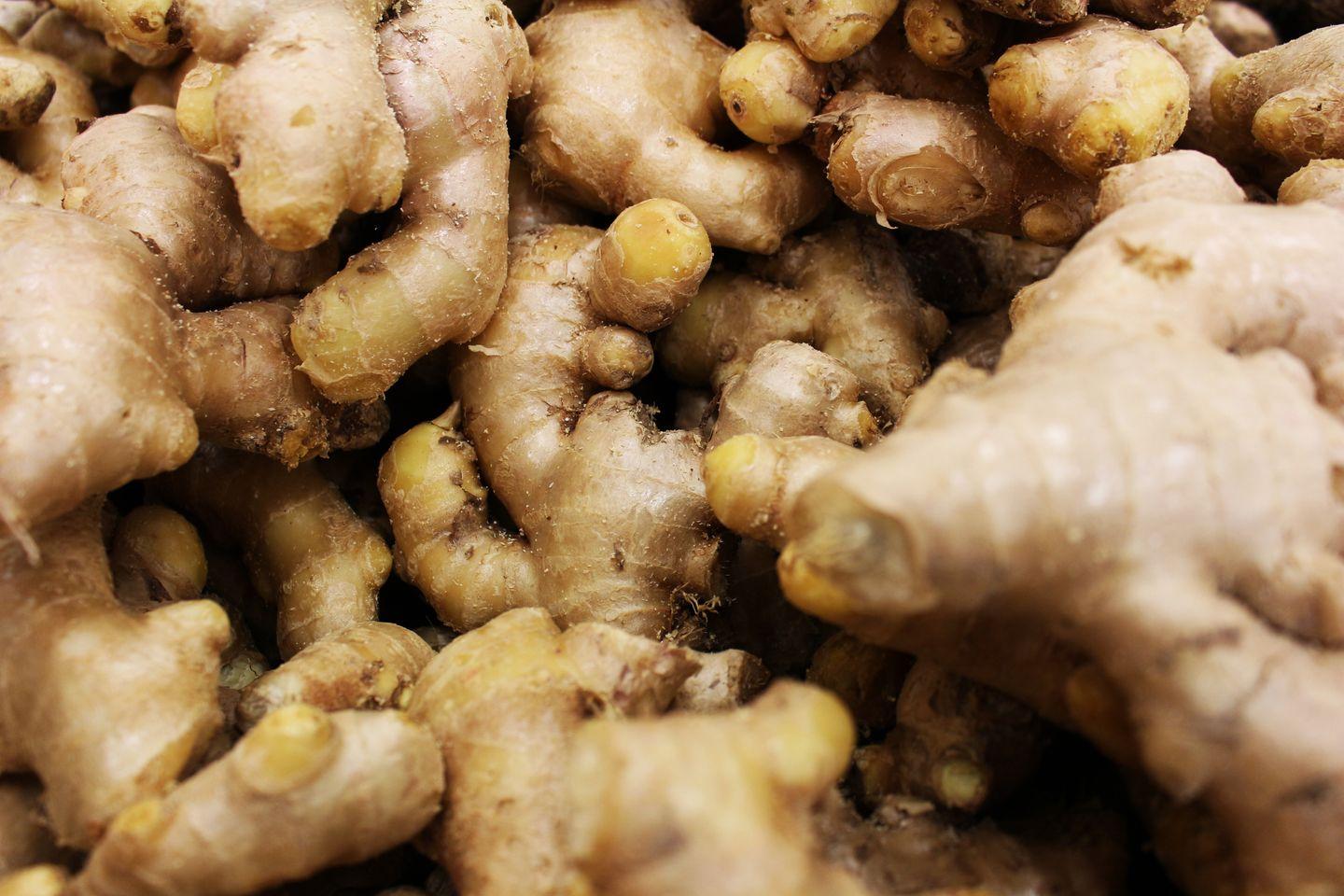
Ginger (Zingiber officinale) is a widely used culinary root. It contains naturally occurring compounds, including gingerols and shogaols, which have been studied for their effects on…