Soybean hulls are the outer coverings separated during soybean processing. They contain substantial dietary fibre, with both fermentable and less-fermentable fractions. In animal nutrition…
Soybean hulls are the outer coverings separated during soybean processing. They contain substantial dietary fibre, with both fermentable and less-fermentable fractions. In animal nutrition they can contribute bulk and influence intestinal fermentation, but composition varies with processing and residual material. Soybean hull fibre is not the same as soy protein or soybean meal. It is not inherently harmful, nor is it a treatment for bowel disease. Inclusion should be evaluated in the complete formula, particularly for cats and animals requiring carefully controlled energy intake.
References: NRC, Nutrient Requirements of Dogs and Cats (2006); FEDIAF, Nutritional Guidelines (2025); reviews of dietary fibre in companion animals.
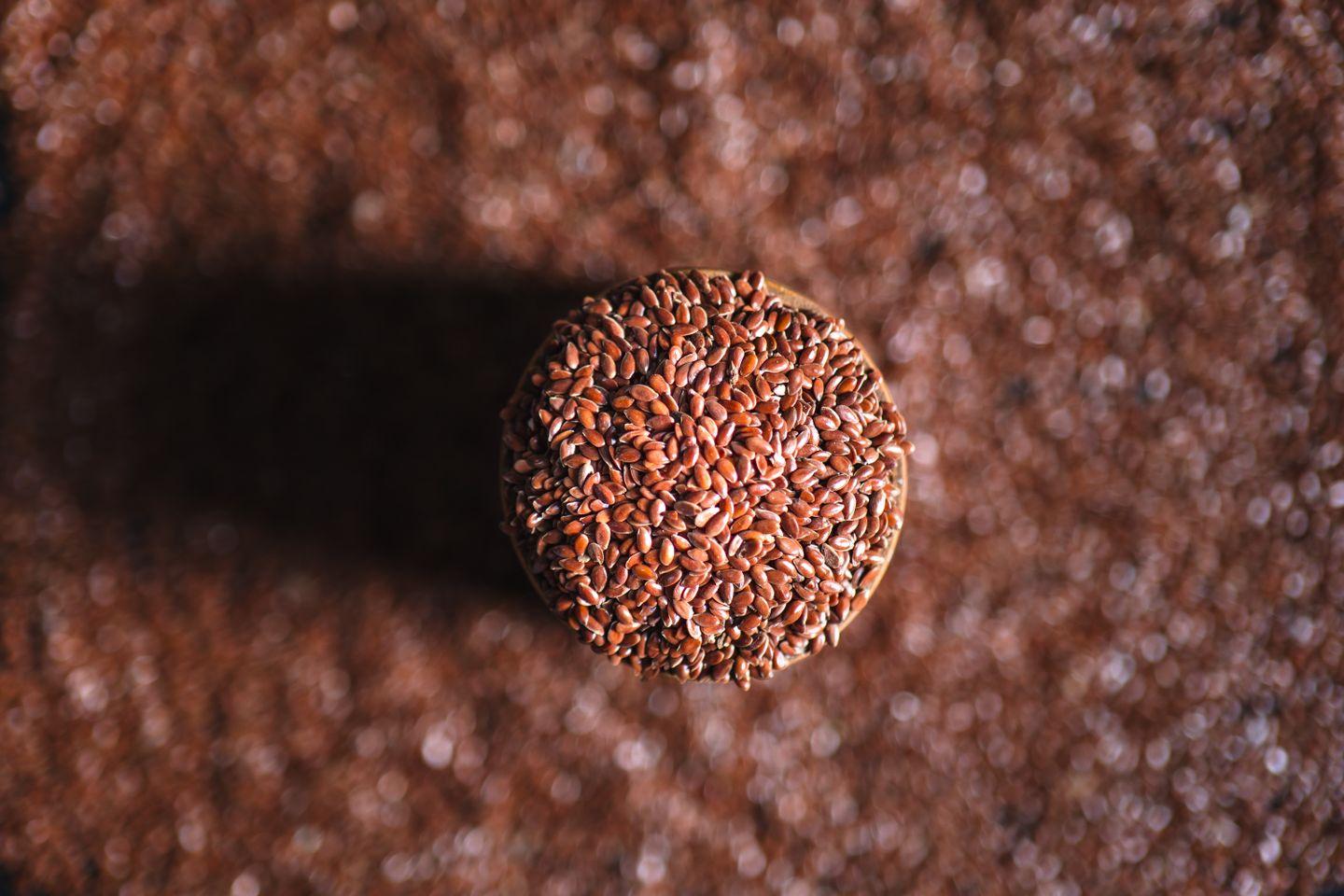
Flax hull fibre is a term that may describe fibre-rich fractions from flaxseed processing; commercial composition depends on the separation method and may include hull, mucilage and residual…
Cottonseed hulls are a fibrous by-product of cottonseed processing. They can provide structural fibre, but the raw material must be properly processed and controlled for contaminants and…
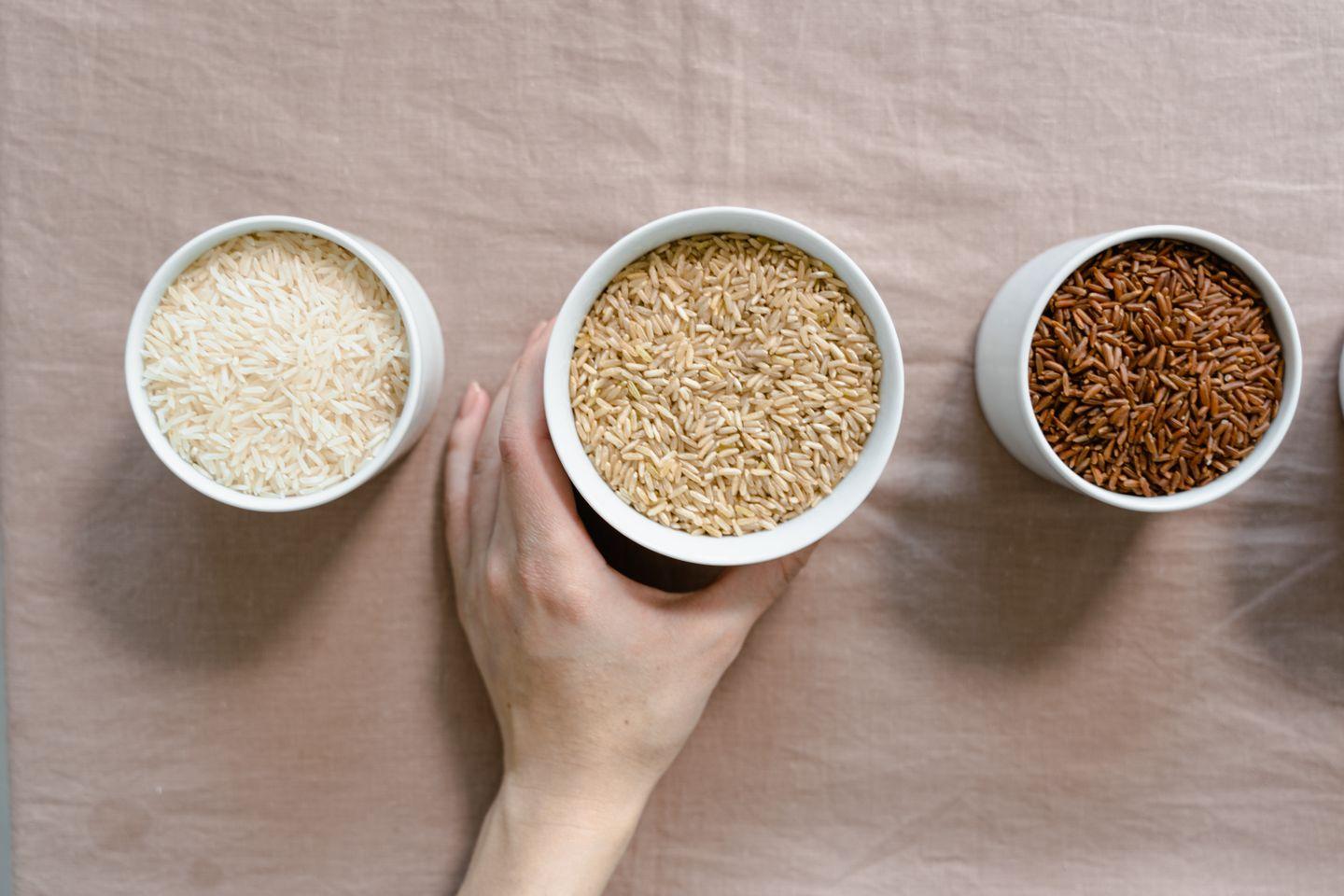
Rice hull fibre comes from the hard outer covering of rice grains and is composed largely of structural plant material, including silica. It may be used as an insoluble fibre source or…