Ingredient Decoded / Fats And Essential Fatty Acids
Coconut Oil
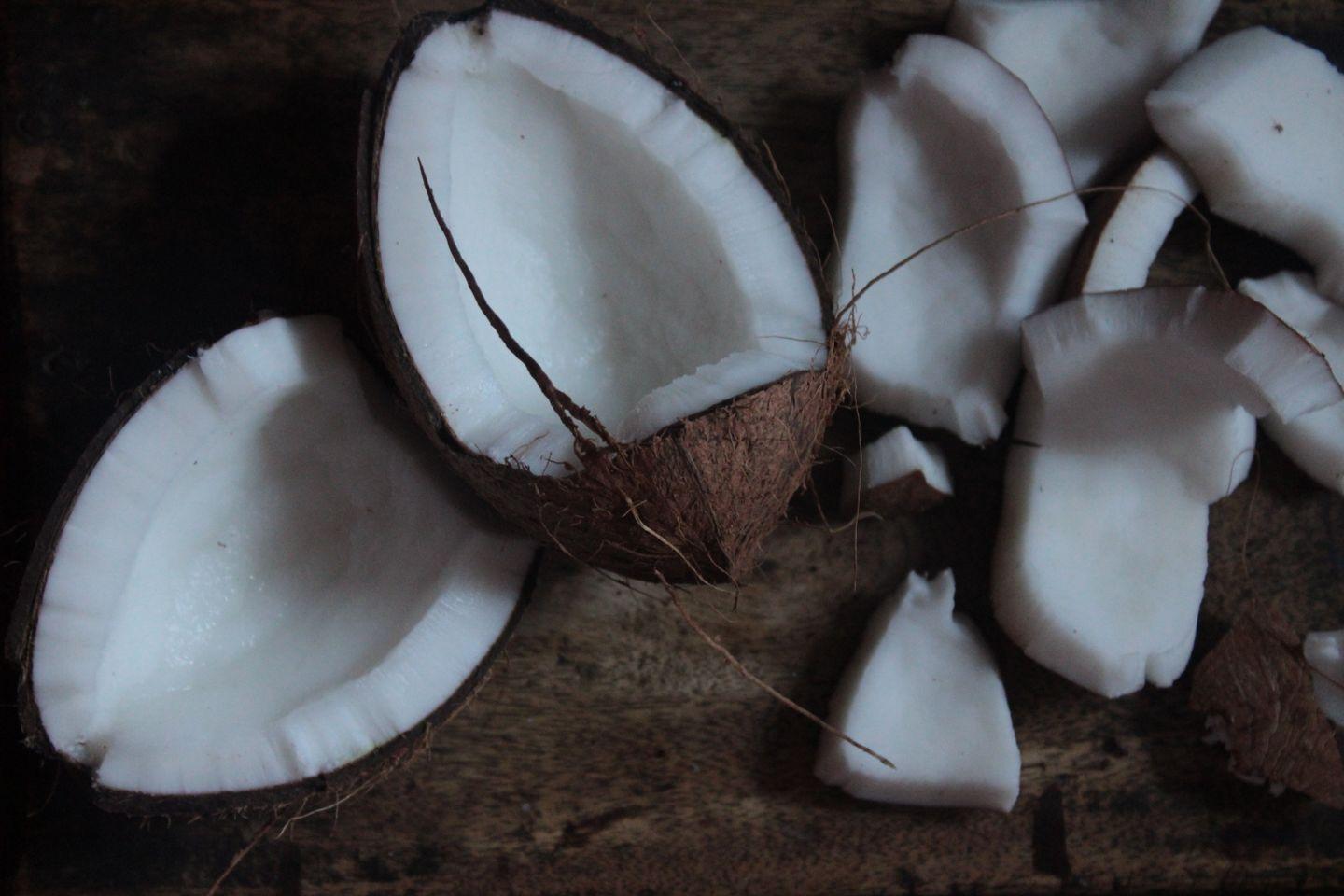
Coconut oil is extracted from the flesh of coconuts. It is rich in saturated fatty acids, particularly lauric acid. It is sometimes added to pet foods or promoted as a supplement for skin,…
Coconut oil is extracted from the flesh of coconuts. It is rich in saturated fatty acids, particularly lauric acid. It is sometimes added to pet foods or promoted as a supplement for skin, coat, digestion and general wellness.
Is coconut oil an MCT oil?
Not exactly. Coconut oil contains a mixture of fatty acids, with lauric acid making up a substantial proportion. Commercial medium-chain triglyceride (MCT) oils are usually more concentrated in caprylic and capric acids. Coconut oil should not be treated as interchangeable with purified MCT oil.
What does it provide?
Coconut oil supplies dietary fat and concentrated energy. Fat can improve palatability and help deliver fat-soluble nutrients. However, dogs and cats do not require coconut oil specifically when they are eating a complete and balanced diet.
Claims about skin and coat
Coconut oil is sometimes applied topically or fed for a shinier coat. There is insufficient clinical evidence to regard it as a treatment for allergic skin disease, infections or persistent itching. Topical application may also encourage licking and can make the coat greasy.
Dogs and cats
Both species can digest dietary fat, but individual tolerance varies. Cats have specific nutrient requirements and should not receive coconut oil as a substitute for a properly formulated diet. Neither species needs extra coconut oil simply because it is described as natural.
Safety
Coconut oil is calorie dense. Excessive amounts can cause diarrhoea, vomiting or unwanted weight gain. High-fat additions may be unsuitable for pets with a history of pancreatitis or other conditions requiring fat restriction. Do not use it to treat constipation, hairballs or skin disease without veterinary guidance.
The takeaway
Coconut oil is an energy-rich fat, not an essential supplement. It is not the same as purified MCT oil, and strong therapeutic claims for pets are not supported by robust evidence. If used at all, it should be introduced cautiously and accounted for in the pet's total calorie intake.
References
National Research Council. Nutrient Requirements of Dogs and Cats. National Academies Press, 2006.
Krill oil is extracted from small marine crustaceans called krill. It contains the omega-3 fatty acids EPA and DHA, often alongside phospholipids and the antioxidant pigment astaxanthin. It…
2 min read
Ingredient Decoded / Fats And Essential Fatty Acids
Perilla oil is extracted from seeds of Perilla frutescens and is often rich in alpha-linolenic acid (ALA). ALA contributes to essential fatty-acid intake, but conversion to EPA and DHA is…
1 min read
Ingredient Decoded / Fats And Essential Fatty Acids
What it is. Canola oil is produced from low-erucic-acid varieties of rapeseed. It is used in pet food as a source of fat and several unsaturated fatty acids.