Ingredient Decoded / Fats And Essential Fatty Acids
Krill Oil
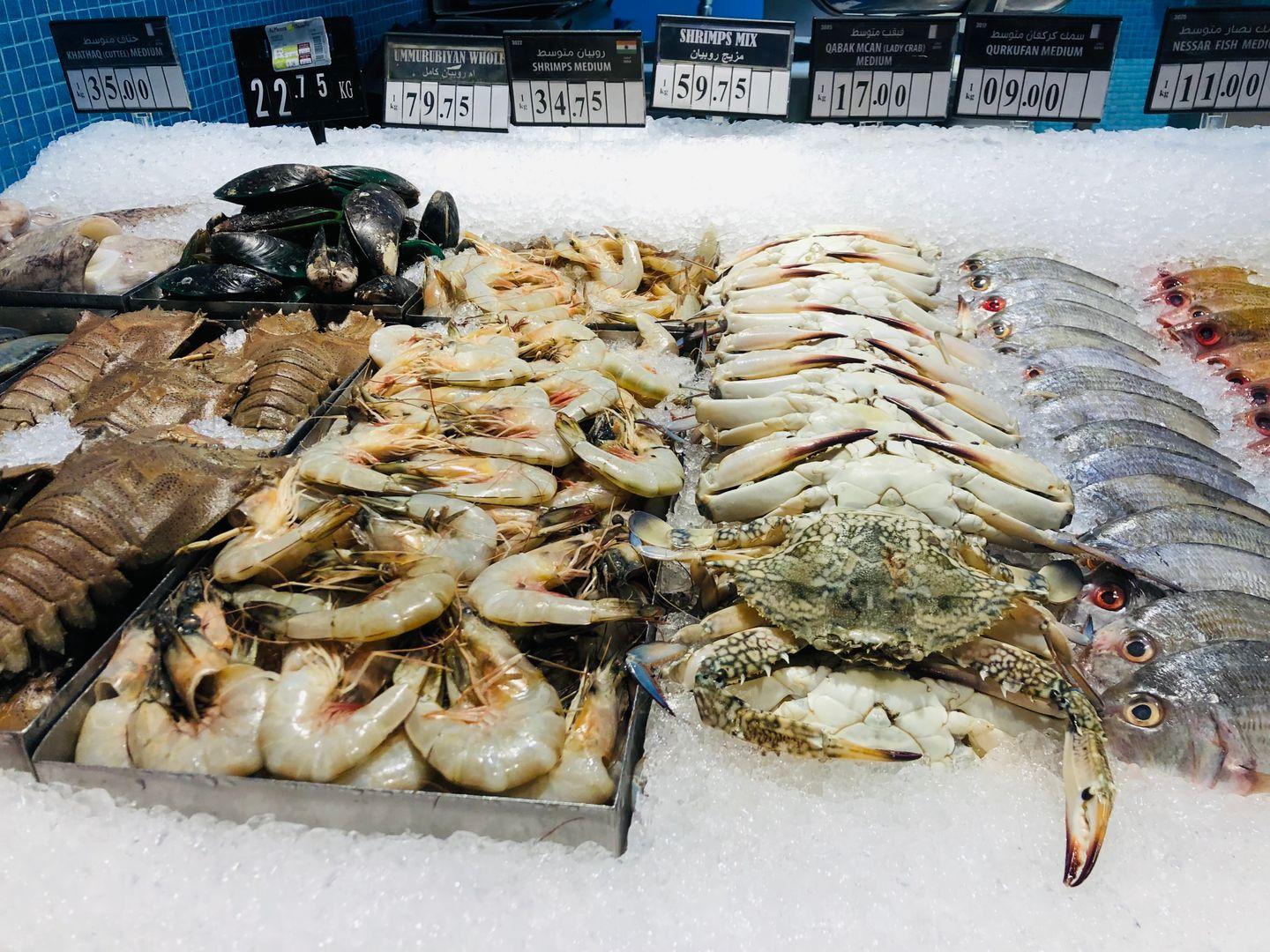
Krill oil is extracted from small marine crustaceans called krill. It contains the omega-3 fatty acids EPA and DHA, often alongside phospholipids and the antioxidant pigment astaxanthin. It…
Krill oil is extracted from small marine crustaceans called krill. It contains the omega-3 fatty acids EPA and DHA, often alongside phospholipids and the antioxidant pigment astaxanthin. It is marketed as an alternative to fish oil.
Why are EPA and DHA important?
EPA and DHA are long-chain omega-3 fatty acids incorporated into cell membranes. They influence the production of signalling molecules involved in inflammatory processes. In veterinary nutrition, marine omega-3s are studied for their potential role in supporting skin health, joint function and other aspects of health.
Is krill oil better than fish oil?
Krill oil is sometimes promoted as superior because some of its omega-3s are associated with phospholipids. However, there is not enough robust dog- and cat-specific clinical evidence to conclude that krill oil consistently produces better outcomes than fish oil. The actual EPA and DHA delivered per serving is more important than marketing claims about absorption.
Use in dogs and cats
Dogs may benefit from appropriately formulated EPA/DHA supplementation in selected conditions, including some cases of osteoarthritis. Evidence in cats is more limited for certain clinical uses. A veterinarian should determine whether supplementation is appropriate and what amount is suitable.
What should pet parents check?
Check the label for the quantity of EPA and DHA, not merely the total milligrams of krill oil. Confirm that the product is intended for the relevant species, is quality controlled and has clear storage instructions. Krill is a crustacean, so consider potential sensitivities and source sustainability.
Safety
Possible adverse effects include gastrointestinal upset. High doses may affect platelet function or interact with medication that influences clotting. Seek veterinary advice before use in pets with bleeding disorders or before surgery.
The takeaway
Krill oil supplies EPA and DHA, but current evidence does not establish that it is universally better than fish oil for dogs or cats. Compare the active fatty-acid content, product quality and veterinary rationale rather than relying on the source ingredient alone.
Perilla oil is extracted from seeds of Perilla frutescens and is often rich in alpha-linolenic acid (ALA). ALA contributes to essential fatty-acid intake, but conversion to EPA and DHA is…
1 min read
Ingredient Decoded / Fats And Essential Fatty Acids
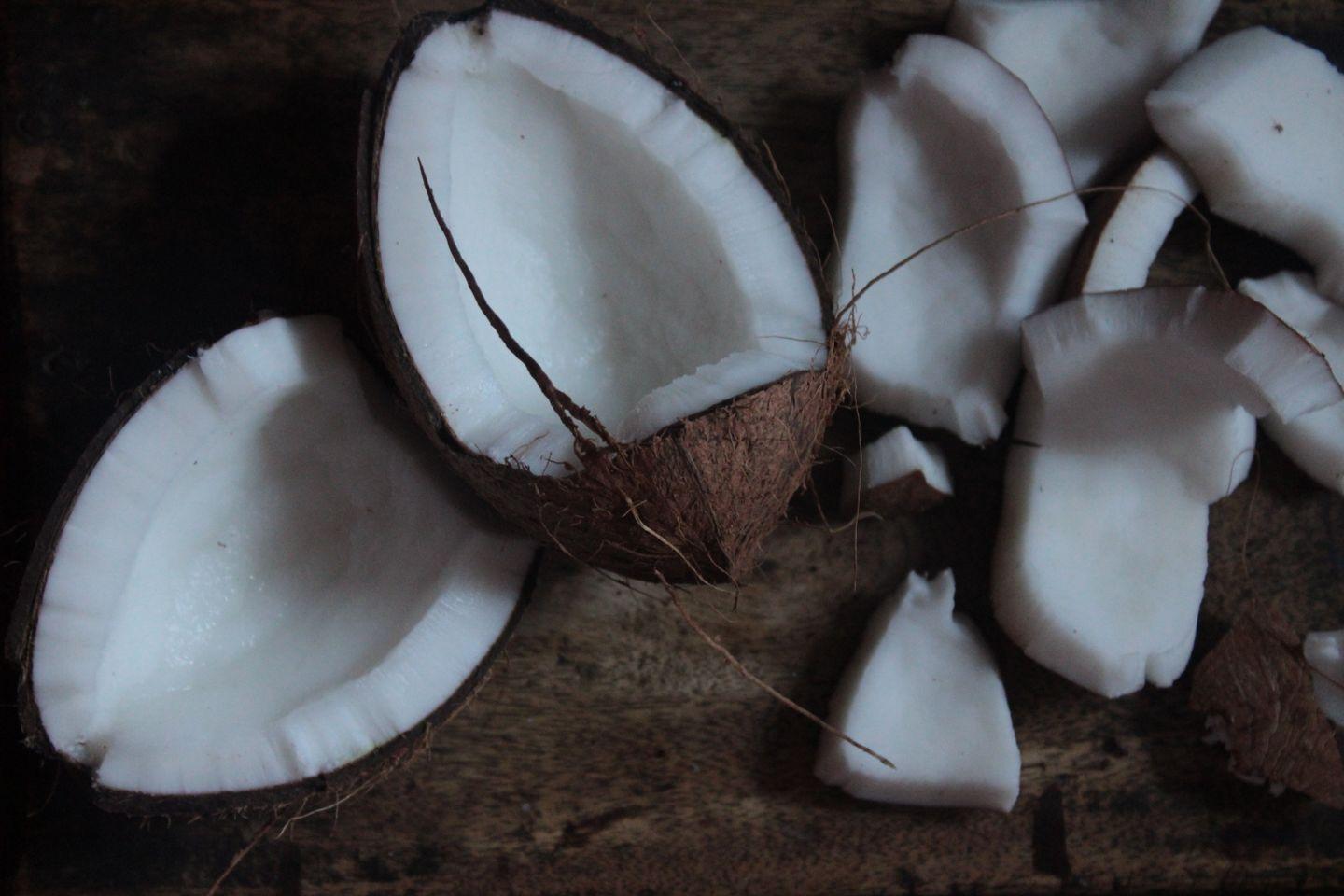
Coconut oil is extracted from the flesh of coconuts. It is rich in saturated fatty acids, particularly lauric acid. It is sometimes added to pet foods or promoted as a supplement for skin,…
2 min read
Ingredient Decoded / Fats And Essential Fatty Acids
What it is. Canola oil is produced from low-erucic-acid varieties of rapeseed. It is used in pet food as a source of fat and several unsaturated fatty acids.