Ingredient Decoded / Fats And Essential Fatty Acids
Flaxseed
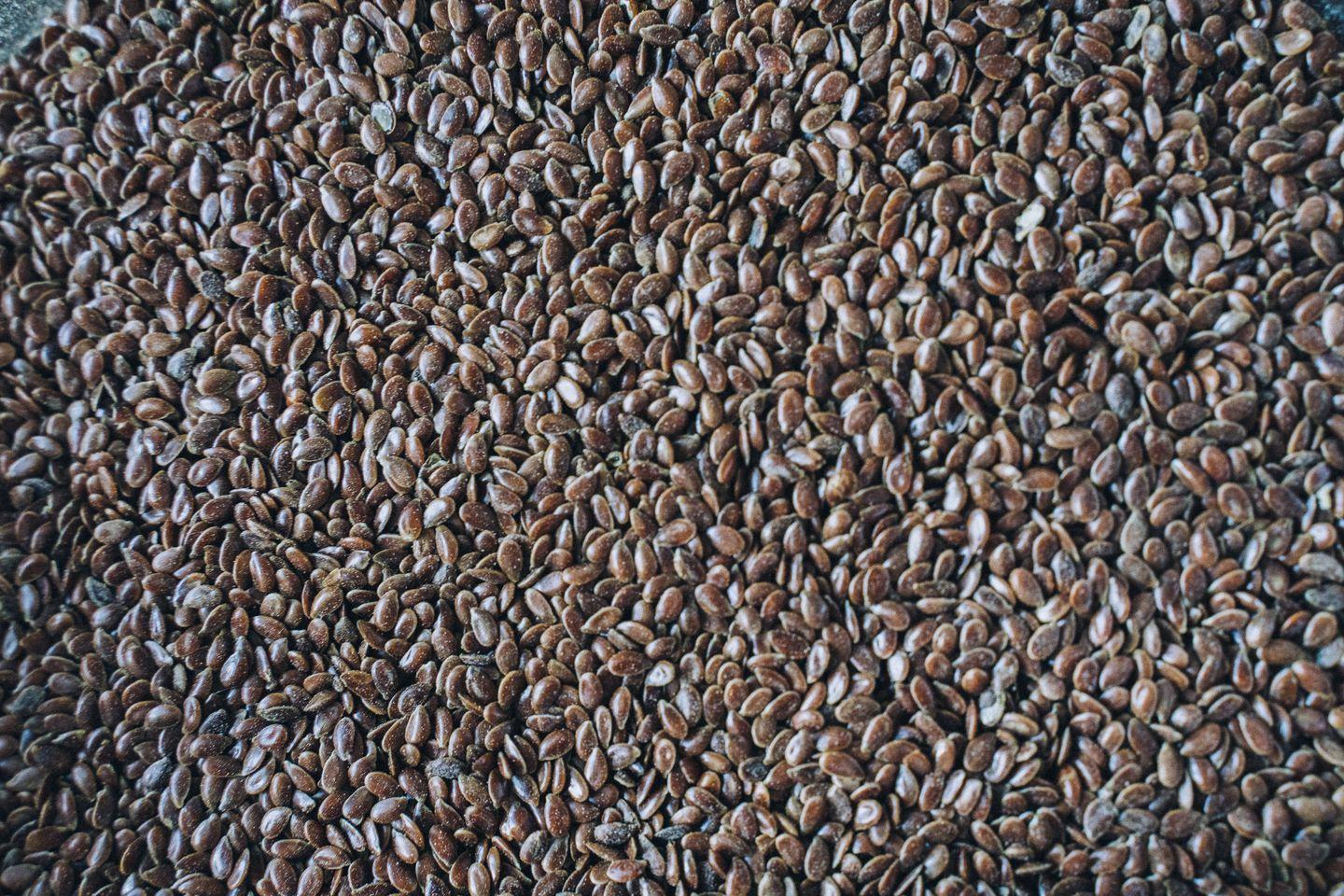
Flaxseed, also called linseed, comes from Linum usitatissimum. It is used in some pet foods and supplements because it provides alpha-linolenic acid (ALA), a plant-based omega-3 fatty acid.…
Flaxseed, also called linseed, comes from Linum usitatissimum. It is used in some pet foods and supplements because it provides alpha-linolenic acid (ALA), a plant-based omega-3 fatty acid. Flaxseed also contains fibre and other plant compounds.
What does flaxseed provide?
ALA is an essential fatty acid for dogs and cats because they cannot manufacture it in sufficient amounts from scratch. It contributes to normal cell membrane structure and can be converted to longer-chain omega-3 fatty acids. However, this conversion is limited, particularly in cats. ALA should therefore not be assumed to provide the same nutritional effect as the EPA and DHA found in marine oils.
Flaxseed also contains soluble and insoluble fibre. Depending on processing and quantity, it can influence stool consistency and contribute to dietary fibre intake.
Flaxseed in dog food
Dogs can convert some ALA into EPA and, less efficiently, DHA. The extent of conversion varies. Flaxseed can be a useful plant ingredient, but it is not a dependable substitute for marine omega-3 sources when a diet is intended to deliver a specified amount of EPA or DHA.
Flaxseed in cat food
Cats have limited capacity to convert ALA into long-chain omega-3 fatty acids. Flaxseed may contribute ALA and fibre, but it cannot replace preformed EPA and DHA where these are required for a particular nutritional purpose.
Whole, ground or oil?
Whole seeds may pass through the digestive tract with limited breakdown. Ground flaxseed makes nutrients more accessible, while flaxseed oil concentrates fat but contains little of the seed's fibre. Oils are also susceptible to oxidation and should be stored carefully.
Safety
Large quantities may cause digestive upset and add substantial calories. Use only food-grade products intended for animal feeding, and avoid unprocessed or questionable preparations. A complete and balanced diet should remain the main source of nutrition.
The takeaway
Flaxseed supplies ALA and fibre, but ALA is not equivalent to EPA or DHA. Its nutritional contribution depends on species, processing and the rest of the diet. It is an ingredient, not a treatment for inflammation or disease.
References
National Research Council. Nutrient Requirements of Dogs and Cats. National Academies Press, 2006.
Krill oil is extracted from small marine crustaceans called krill. It contains the omega-3 fatty acids EPA and DHA, often alongside phospholipids and the antioxidant pigment astaxanthin. It…
2 min read
Ingredient Decoded / Fats And Essential Fatty Acids
Egg yolk contains fat, protein, choline and several vitamins and minerals. It is also a source of phospholipids, including phosphatidylcholine. In a properly cooked form, egg yolk can be a…
1 min read
Ingredient Decoded / Fats And Essential Fatty Acids
Perilla oil is extracted from seeds of Perilla frutescens and is often rich in alpha-linolenic acid (ALA). ALA contributes to essential fatty-acid intake, but conversion to EPA and DHA is…